
Category: Medications - Page 2
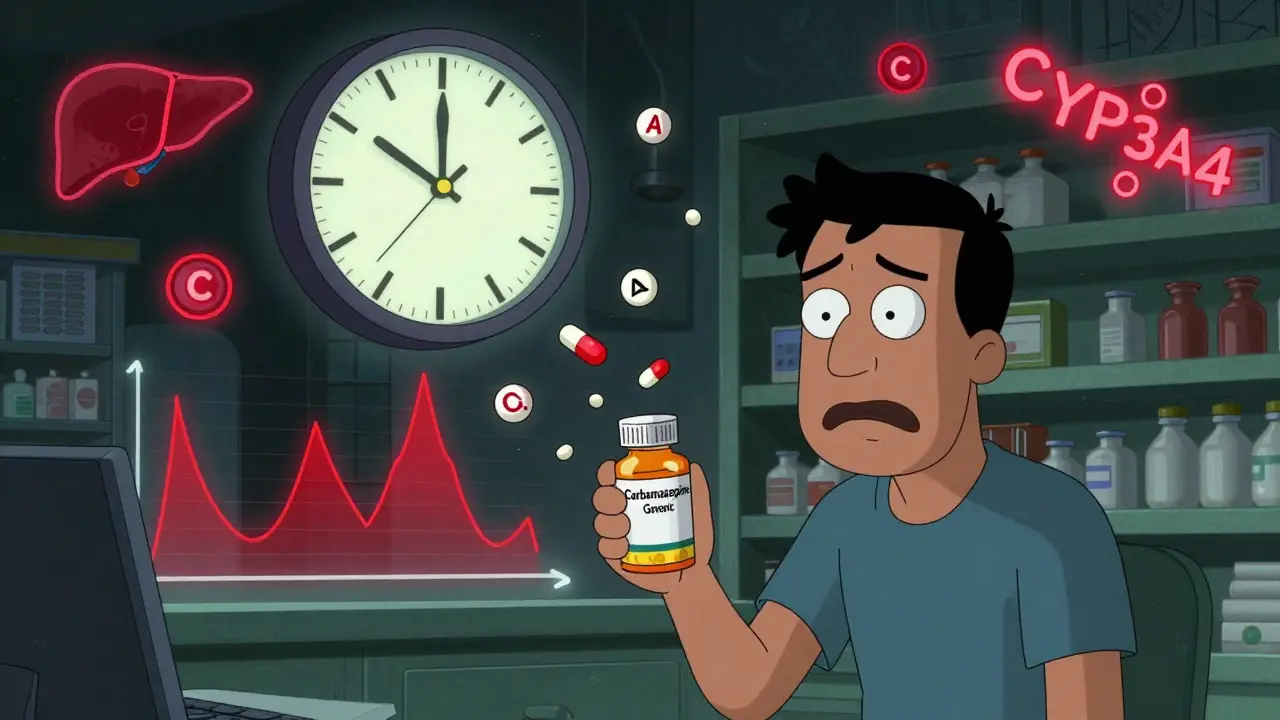
Carbamazepine Generics: Enzyme Induction and Drug Interactions Explained
Carbamazepine generics pose serious risks due to enzyme induction, narrow therapeutic index, and formulation differences. Learn why switching brands can trigger seizures, drug interactions, and toxicity - and how to protect yourself.
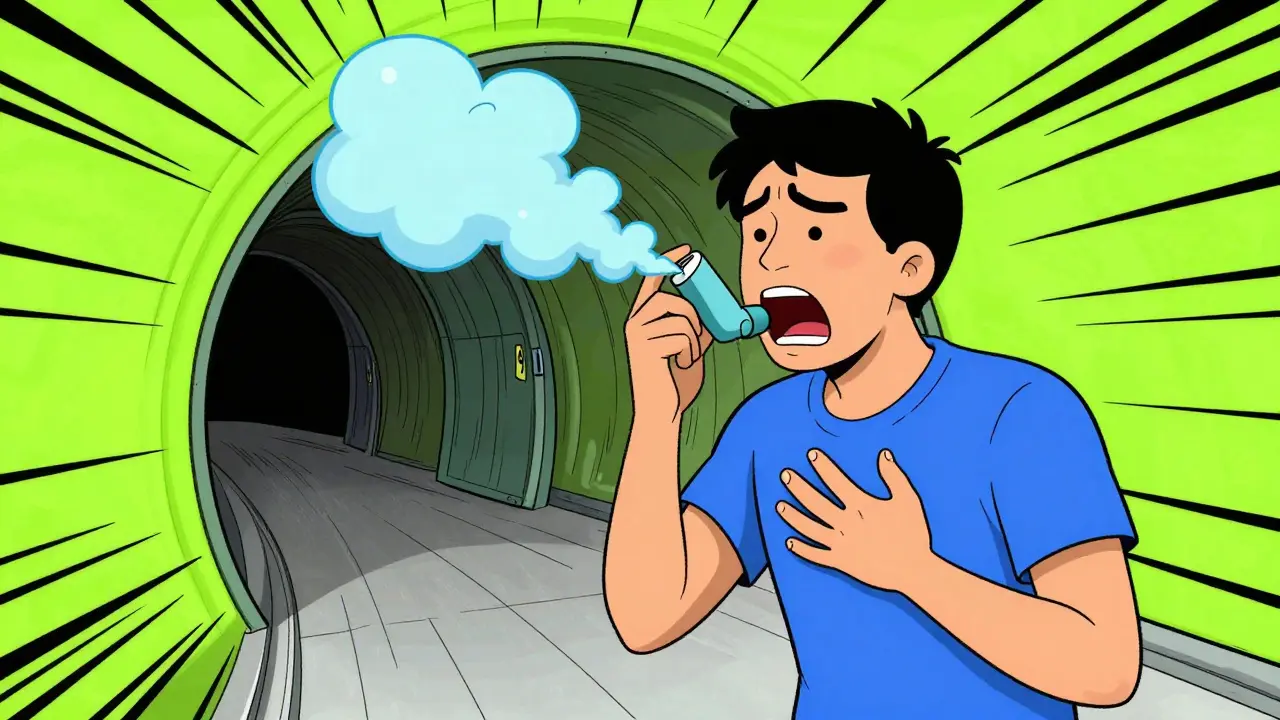
Understanding Bronchodilators and Corticosteroids: How Respiratory Medications Treat Asthma and COPD
Bronchodilators and corticosteroids are key medications for managing asthma and COPD. This article explains how they work, their differences, proper usage techniques, and common mistakes to avoid for better respiratory health.
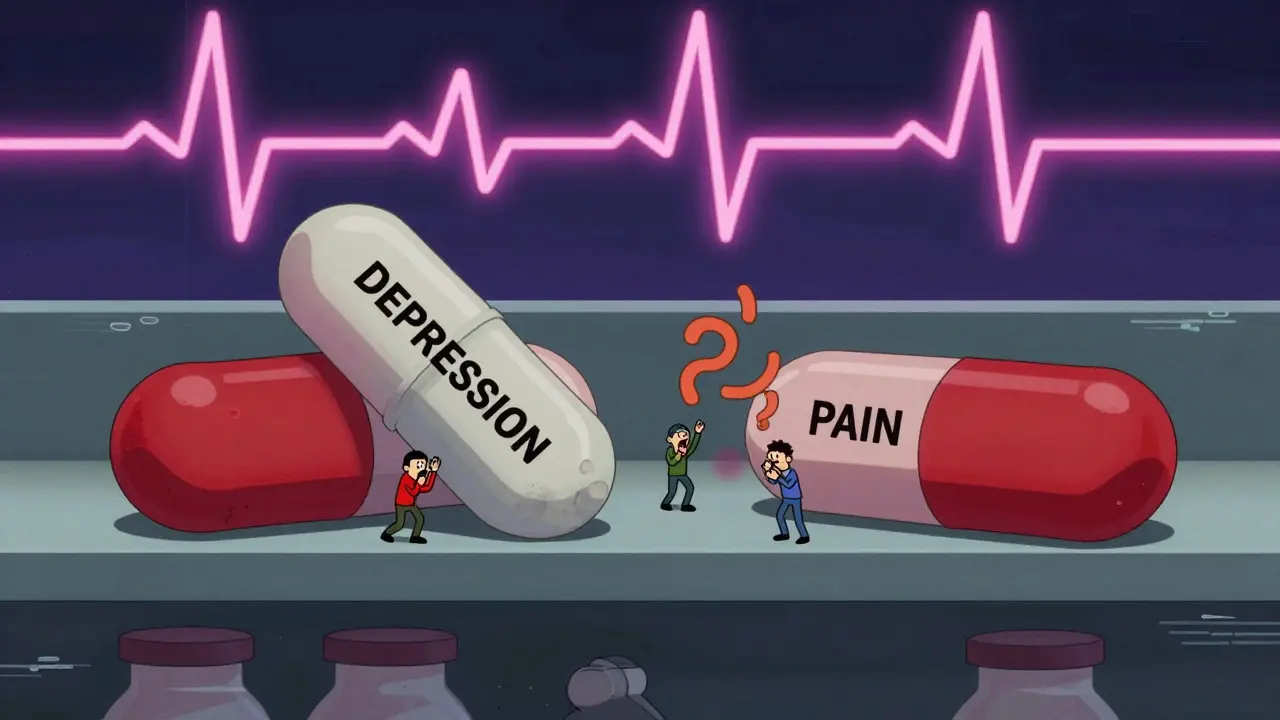
Tricyclic Antidepressant Side Effects: Amitriptyline, Nortriptyline, and More
Tricyclic antidepressants like amitriptyline and nortriptyline are still used for treatment-resistant depression and nerve pain, but come with serious side effects including dry mouth, heart risks, and cognitive decline. Learn how they work, who should avoid them, and safer alternatives.
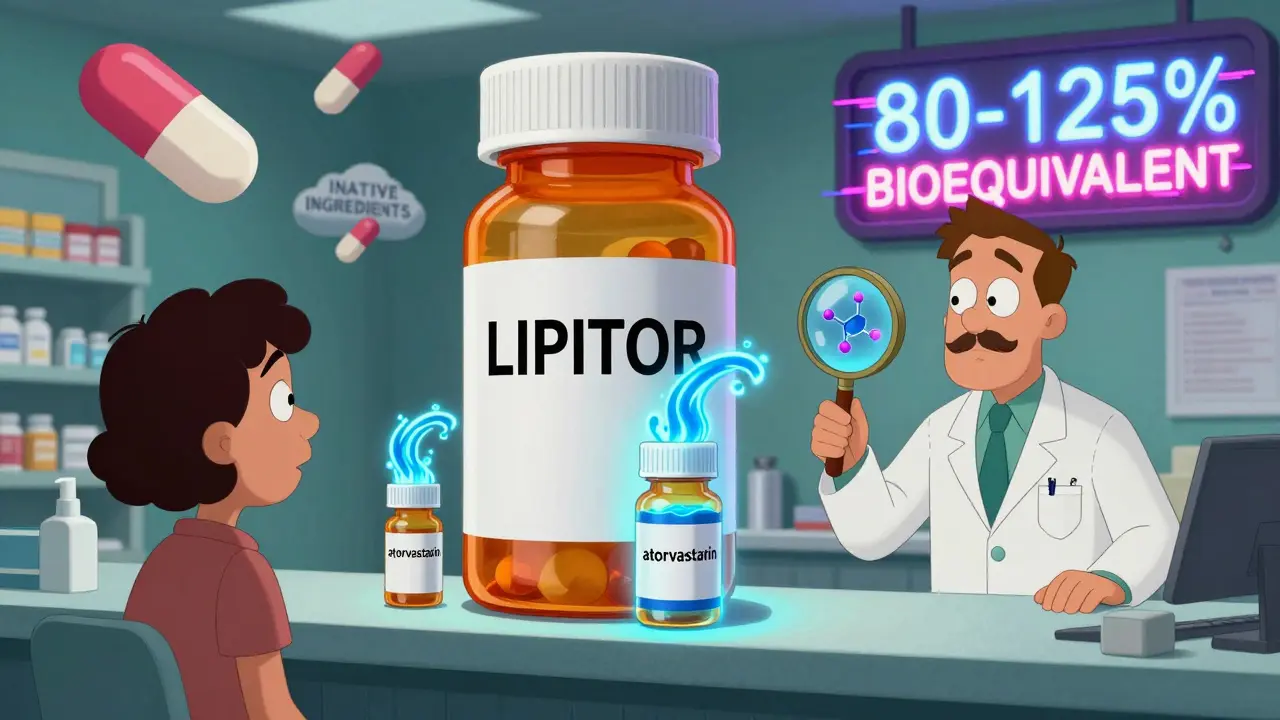
Generic Names vs. Brand Names on Prescription Labels: What You Need to Know
Learn how to read your prescription label and understand the difference between generic and brand-name drugs. Discover why generics are just as effective, how much you can save, and what to do if you're unsure about your medication.
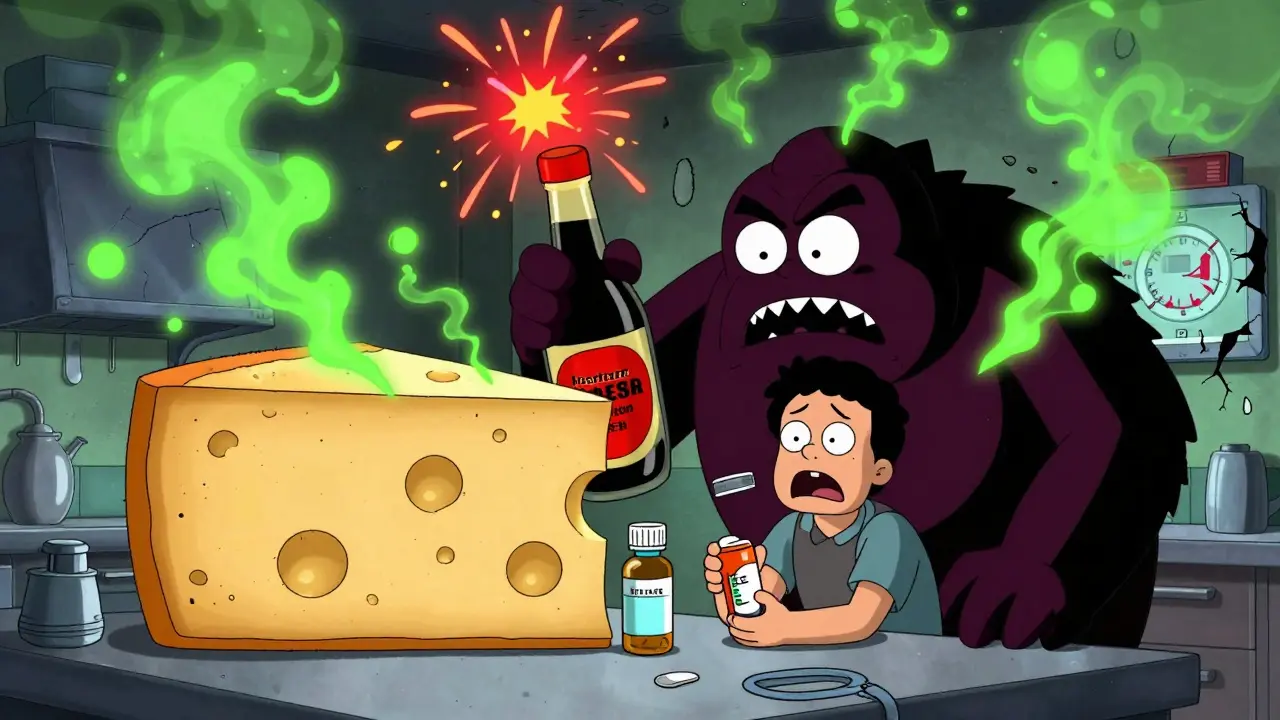
MAO Inhibitors: Dangerous Interactions with Common Medications
MAO inhibitors can save lives-but they can also cause deadly reactions with common medications, supplements, and foods. Learn which drugs and foods to avoid and how to stay safe if you're prescribed one.
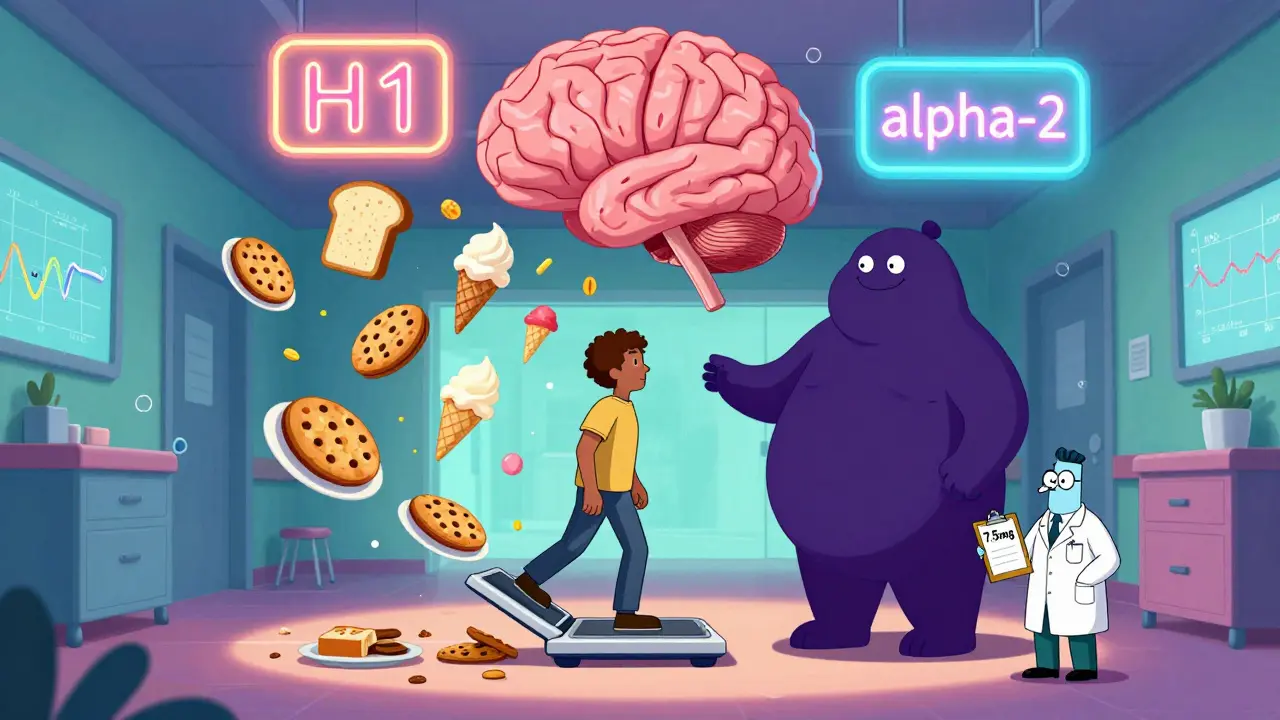
Mirtazapine and Weight Gain: What You Need to Know About This Common Side Effect
Mirtazapine often causes weight gain due to its effect on appetite and metabolism. Learn why it happens, how much weight people typically gain, and what you can do to manage it without stopping the medication.
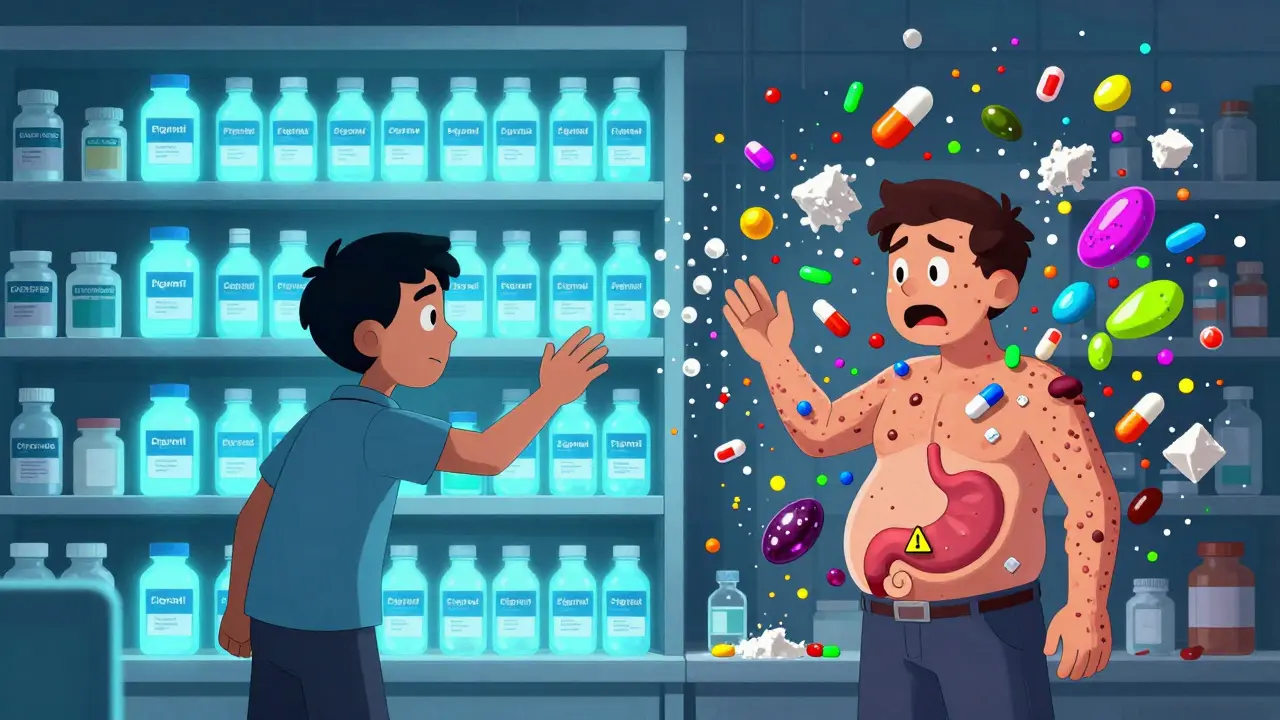
Alternative Medication Classes: Different Drugs, Different Side Effects
Different types of medications - prescription, OTC, and herbal - come with different side effects and risks. Learn how to spot dangerous interactions, why generics aren't always interchangeable, and what to watch for when switching meds.
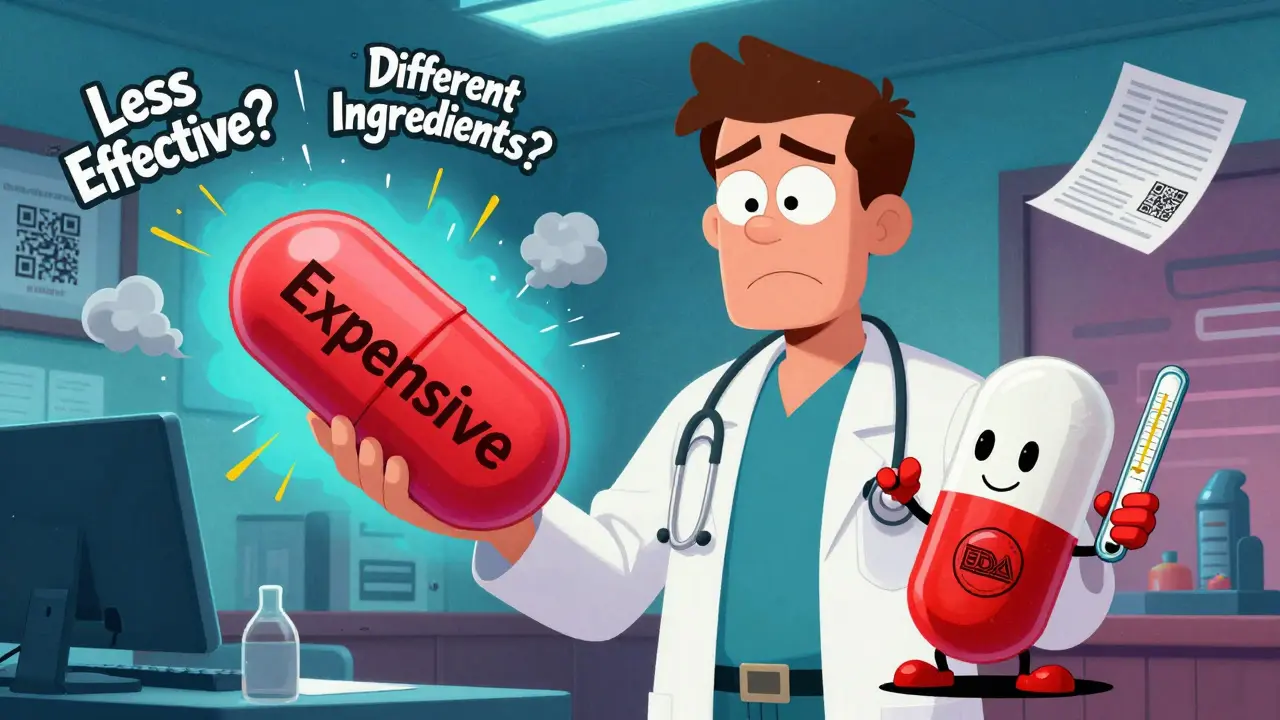
Prescriber Education Resources: Guides for Doctors on Generics
Evidence-based guides for doctors on prescribing generic medications, covering FDA standards, patient communication, cost savings, and practical tools to overcome skepticism and improve adherence.
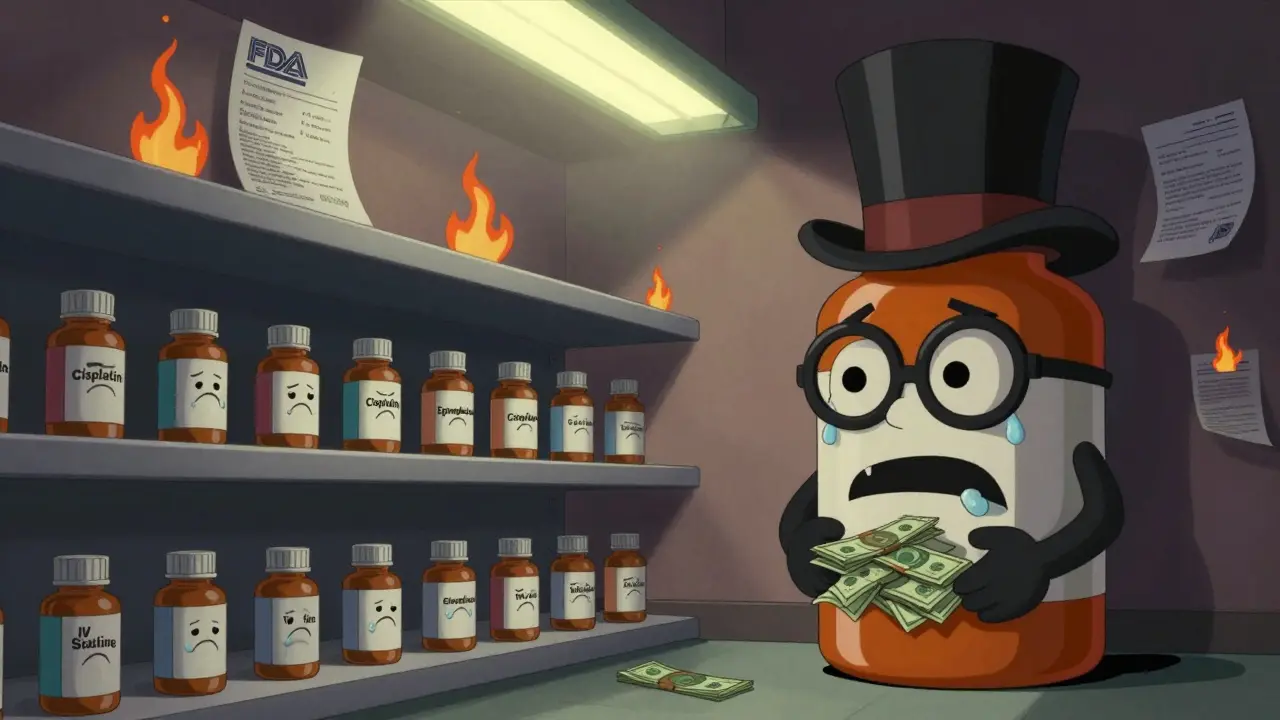
Supply Chain Problems: Distribution Risks for Generic Drugs
Generic drug shortages are at record levels due to thin profit margins, overseas manufacturing reliance, and lack of supply chain redundancy. This article explains why life-saving medications keep disappearing - and what can actually be done about it.
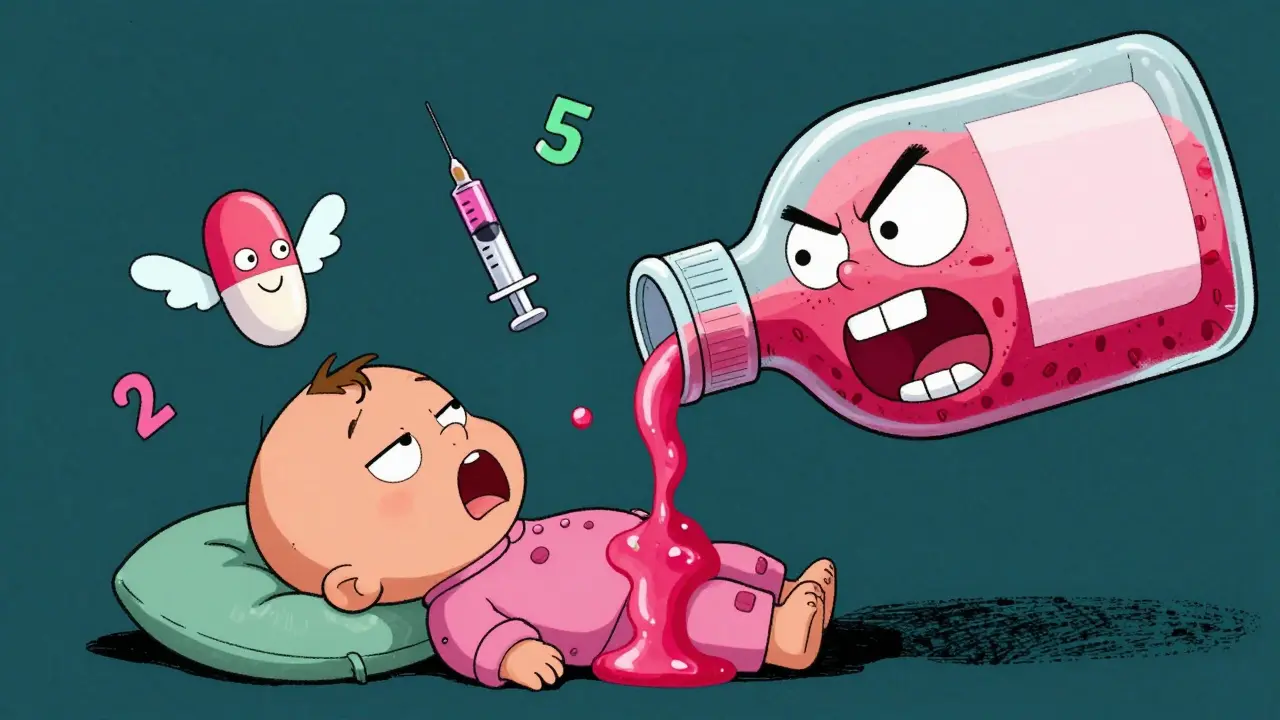
Liquid vs. Tablet Medications for Children: What to Choose
Choosing between liquid and tablet medications for children isn't just about ease-it's about safety, accuracy, and long-term health. Learn when each form is best and how to make the switch safely.