
Category: Medications - Page 3
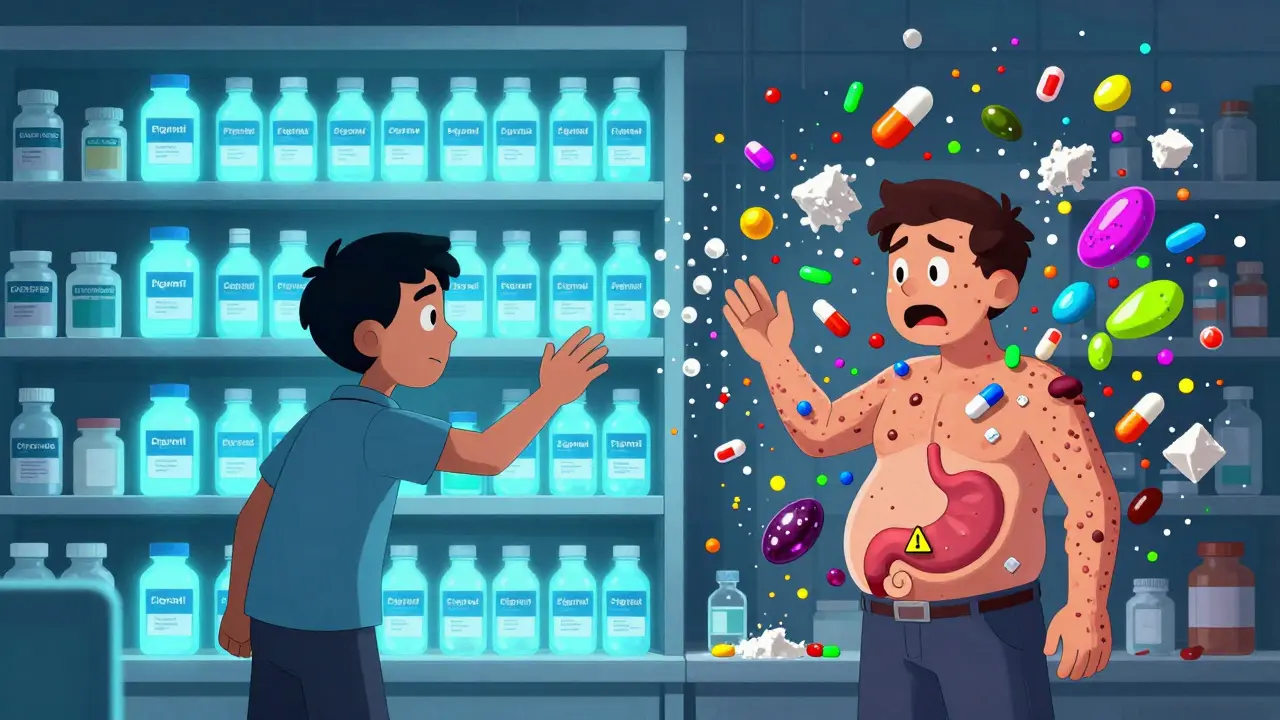
Alternative Medication Classes: Different Drugs, Different Side Effects
Different types of medications - prescription, OTC, and herbal - come with different side effects and risks. Learn how to spot dangerous interactions, why generics aren't always interchangeable, and what to watch for when switching meds.
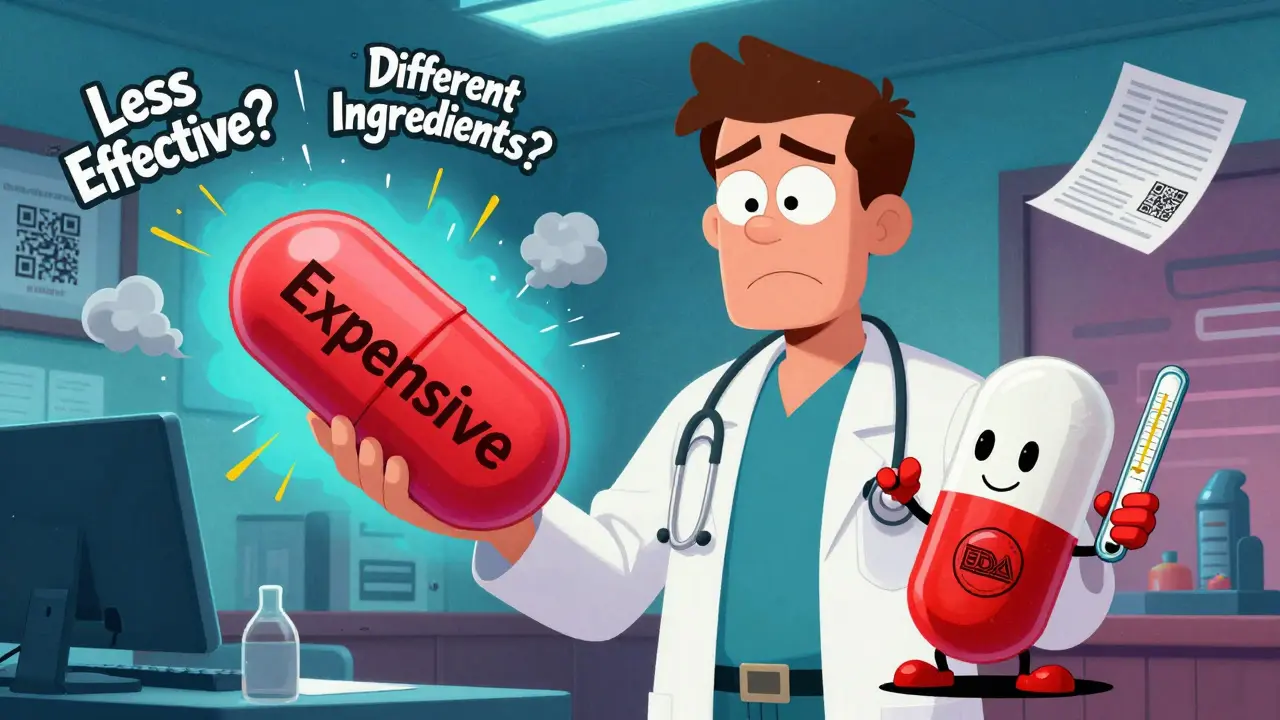
Prescriber Education Resources: Guides for Doctors on Generics
Evidence-based guides for doctors on prescribing generic medications, covering FDA standards, patient communication, cost savings, and practical tools to overcome skepticism and improve adherence.
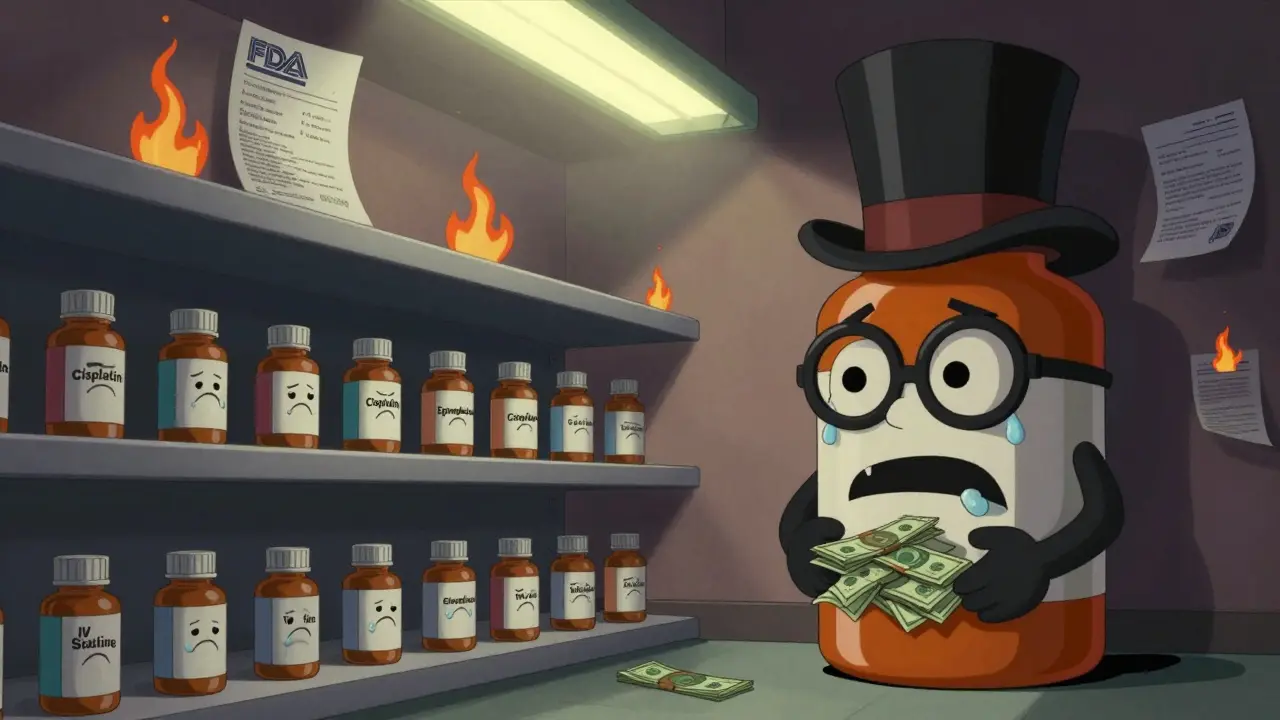
Supply Chain Problems: Distribution Risks for Generic Drugs
Generic drug shortages are at record levels due to thin profit margins, overseas manufacturing reliance, and lack of supply chain redundancy. This article explains why life-saving medications keep disappearing - and what can actually be done about it.
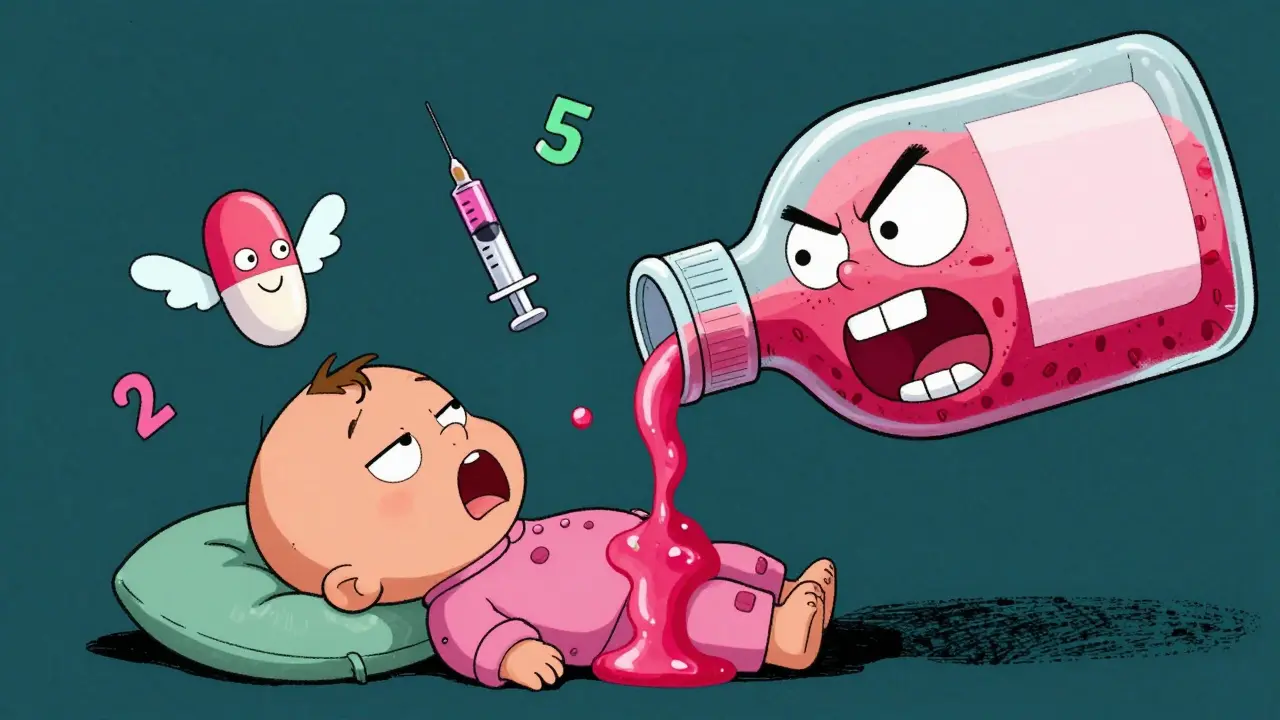
Liquid vs. Tablet Medications for Children: What to Choose
Choosing between liquid and tablet medications for children isn't just about ease-it's about safety, accuracy, and long-term health. Learn when each form is best and how to make the switch safely.
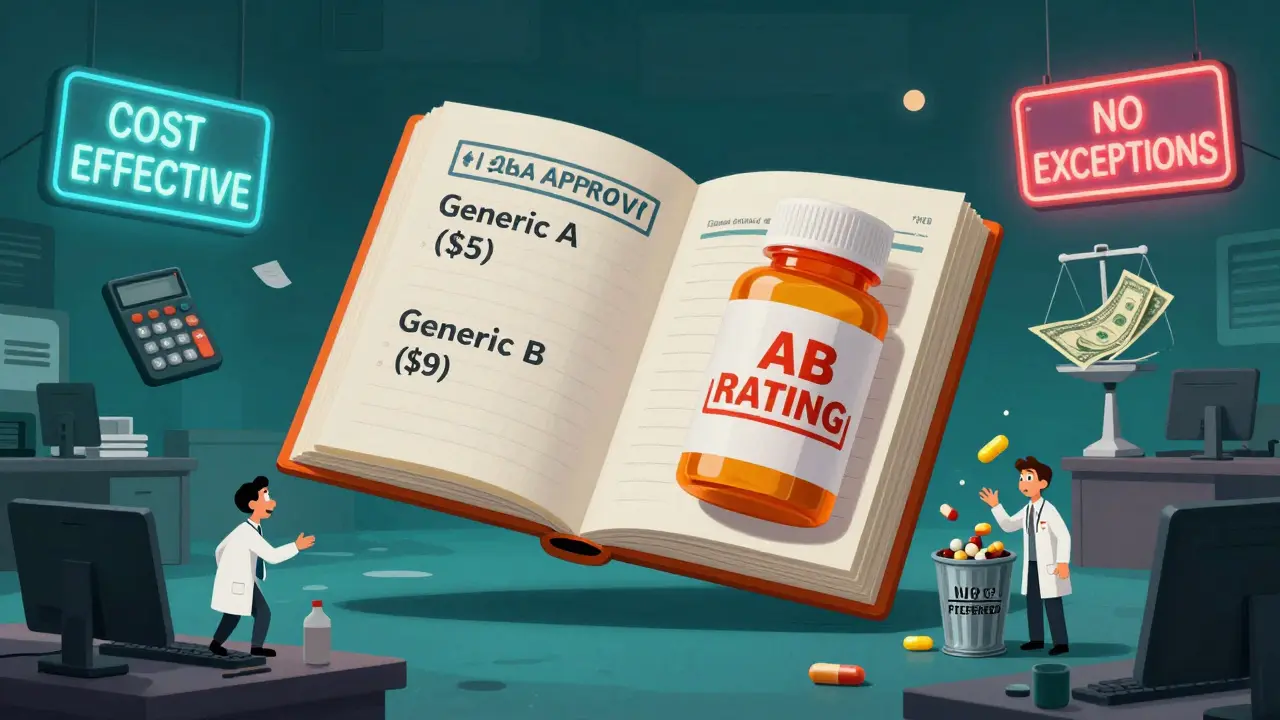
How Insurers Choose Which Generics to Cover: The Real Rules Behind Formulary Decisions
Insurers cover generics based on FDA approval, clinical effectiveness, and cost. Most place them in the lowest cost tier, but not all generics are treated equally. Learn how formularies work and what to do if yours isn't covered.
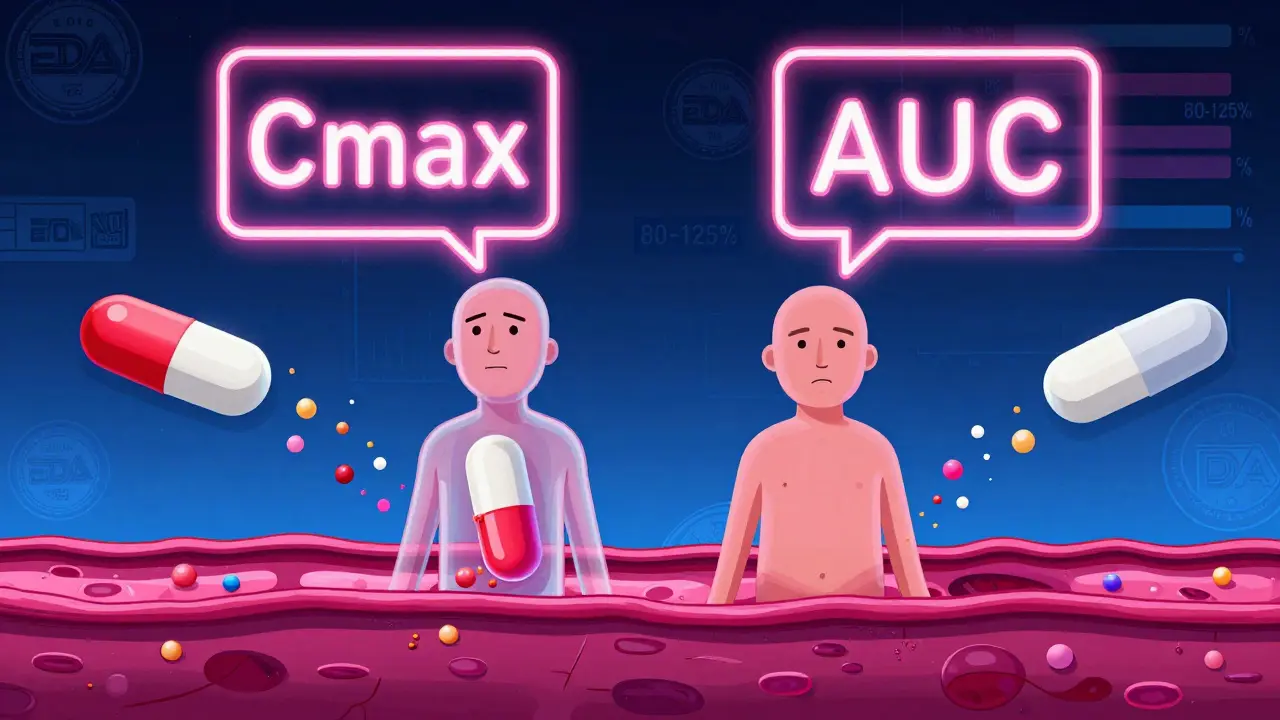
Bioequivalence Explained: FDA Requirements to Prove Generic Drug Equivalence
Learn how the FDA proves generic drugs work just like brand-name versions using bioequivalence studies, Cmax, AUC, and the 80-125% rule. Understand what really makes generics safe and effective.

Corticosteroids and Diabetes: How Steroids Cause High Blood Sugar and How to Manage It
Corticosteroids like prednisone can cause dangerous spikes in blood sugar, even in people without diabetes. Learn how steroids trigger hyperglycemia, who’s at risk, and how to manage it safely with insulin and monitoring.
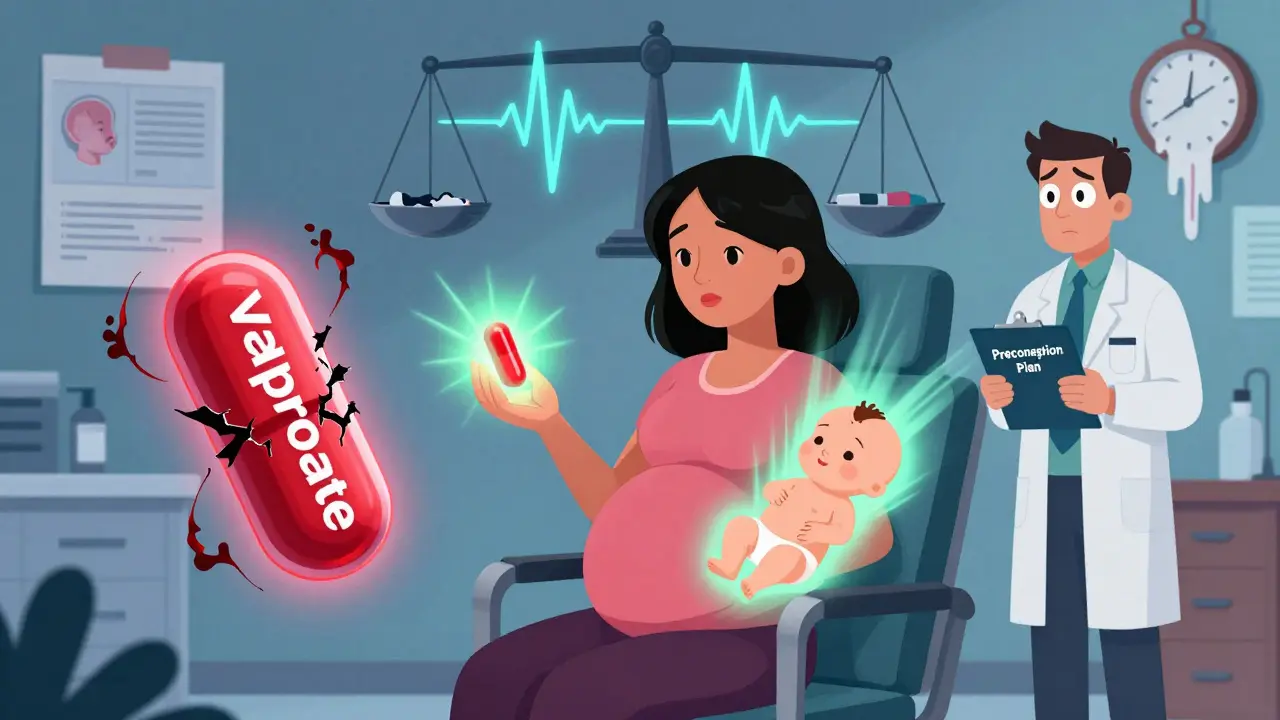
Seizure Medications and Pregnancy: Risks of Birth Defects and Drug Interactions
Seizure medications can increase the risk of birth defects and interact with birth control, but safer options like lamotrigine and levetiracetam exist. Learn which drugs to avoid during pregnancy and how to manage epilepsy safely while planning a family.
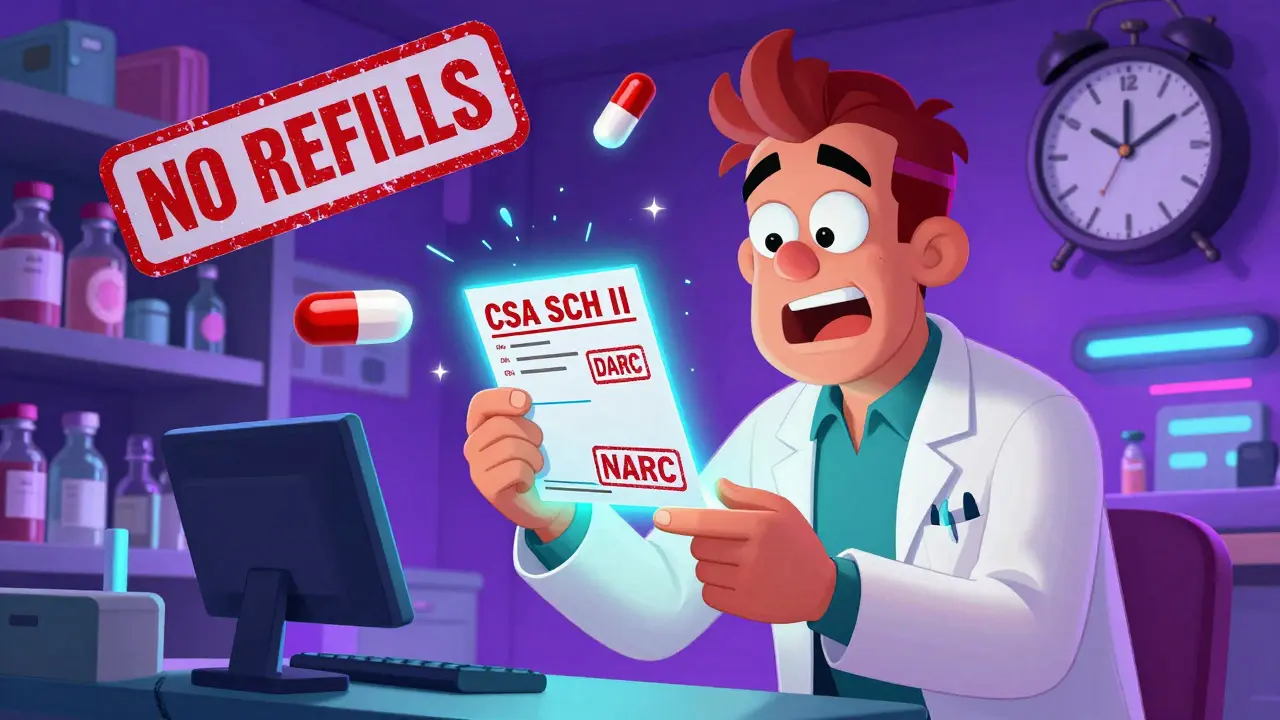
Understanding Controlled Substance Labels and Schedule Codes
Learn how controlled substance labels and DEA schedule codes work - from Schedule II opioids to over-the-counter cough syrups. Understand refill rules, labeling requirements, and why the system is changing.
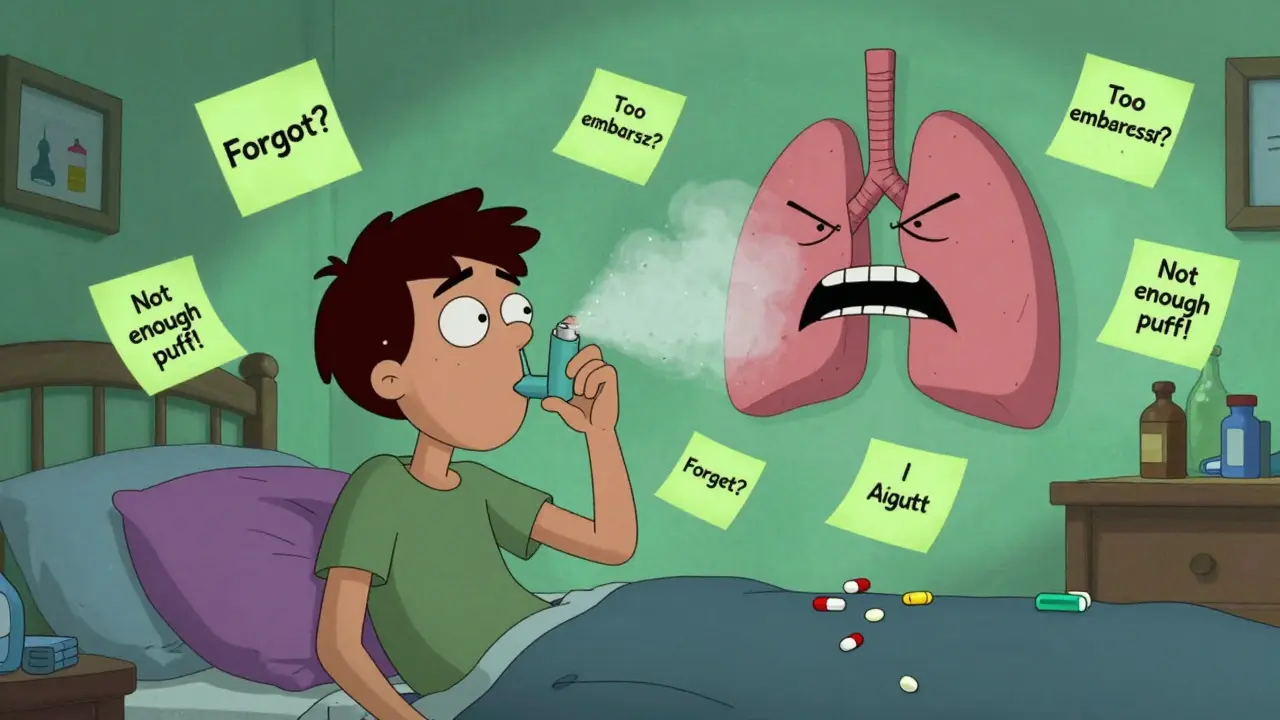
How to Improve Adherence for Inhalers, Patches, and Injectables
Learn practical, evidence-backed ways to improve adherence for inhalers, patches, and injectables. From low-tech hacks to smart tech, discover what actually works-and what doesn’t-for better health outcomes.