
Medications: Practical Info, Safer Choices, Real-World Tips
Looking for reliable, easy-to-read info about medicines? This category collects straightforward guides on prescription drugs, alternatives, side effects, and how to talk with your prescriber. You’ll find practical articles — like alternatives to Risperidone or Symbicort options, how antibiotics such as sulfamethoxazole work, and tips for dealing with drug-related sleep trouble. Each post focuses on what matters: how the drug works, common benefits, likely downsides, and real steps you can take next.
What you’ll find here
Short, clear comparisons that cut through medical jargon. For example, if a drug causes too many side effects, we list realistic alternatives and explain what those alternatives do differently. You’ll get typical side effects, who might benefit most, and simple pros and cons — no fluff. We also cover niche but useful topics, such as how a progestin pill like desogestrel may affect fibroids or why some antiviral drugs can disturb sleep.
Want respiratory options? We compare inhalers and long-term COPD choices. Want addiction support? See alternatives to Antabuse and how they work. Need antibiotic context? Read about combination therapy with sulfamethoxazole and when it’s used. Each article aims to help you raise the right questions with your doctor.
How to use these pages to make better decisions
Start by skimming the quick bullets or comparison tables in each post to spot the main differences. Note the specific symptoms and risks mentioned — they help you decide if a drug might fit your situation. Use the sections on side effects to decide which ones you could tolerate and which you wouldn’t. Always check the interaction warnings and any cautions for pregnancy, liver or kidney problems.
Bring what you learn to your appointment. Say something like: “I read about X and Y — can we compare them for my symptoms?” That turns the conversation practical and focused. If a post suggests an alternative, ask about dosing, monitoring, and expected time to see benefit. If sleep or mood changes occur, report them early — many effects are manageable when caught quickly.
Safety checklist: never stop or switch meds suddenly without talking to your prescriber; check for drug interactions (including OTC drugs and supplements); ask if lab tests or dose adjustments are needed; and verify whether a condition needs specialist care. When in doubt, get a second opinion or a pharmacist review — they catch interaction risks fast.
We update posts as new data emerges, and we link to reliable sources when possible. Use the search box or tags to find topics like "antipsychotic alternatives," "asthma inhalers," or "antibiotic combos." If you want clearer guidance on one drug or a direct comparison, send a question — we aim to make medication choices less confusing and safer for you.
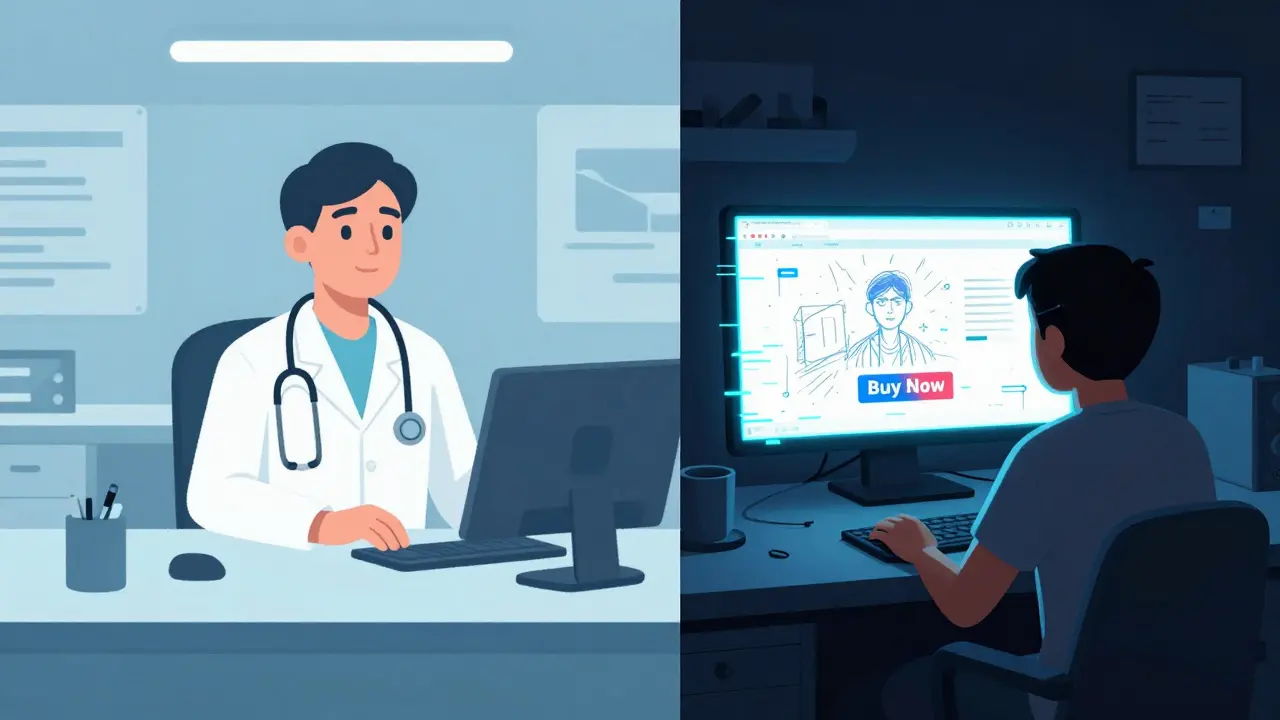
How and Where to Buy Modafinil Online: Legal Paths and Risks
Learn how to safely and legally buy modafinil online. We compare licensed telehealth paths and pharmacies versus the risks of international grey-market vendors.
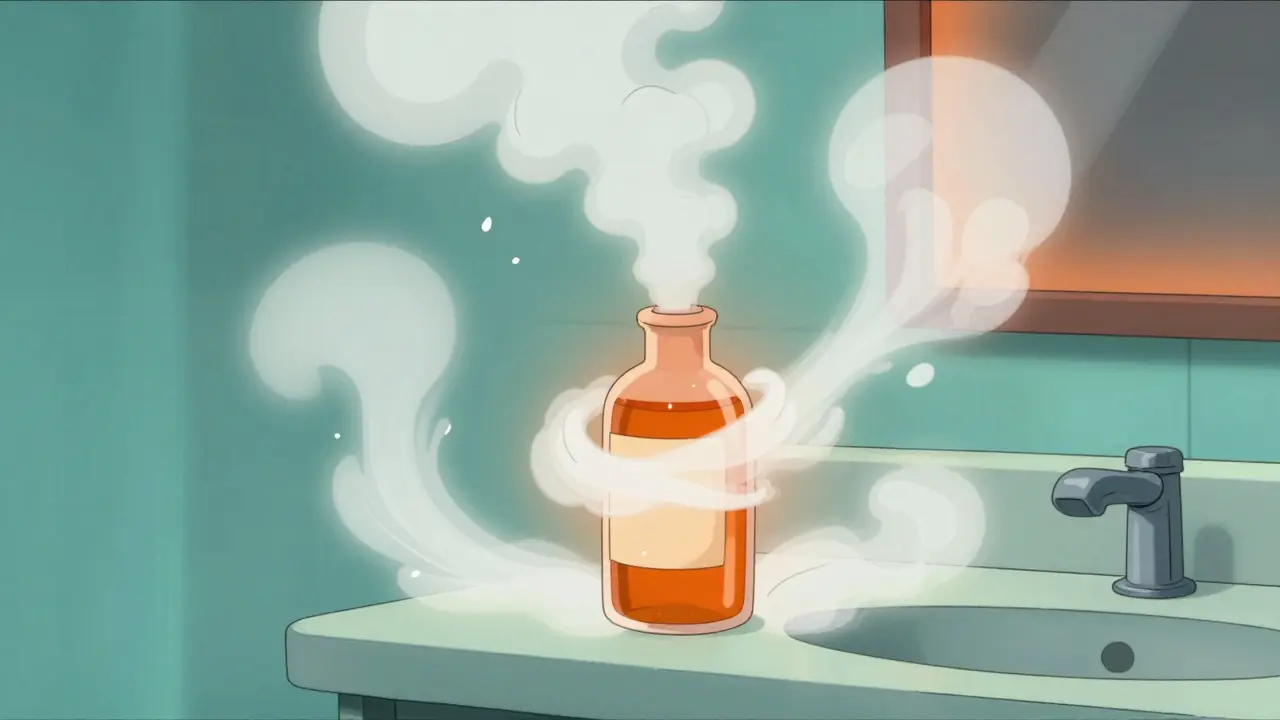
How Heat and Humidity Ruin Your Medicine Before the Expiration Date
Learn how heat and humidity cause medications to lose potency before their official expiration date and how to store your drugs safely to ensure they work.
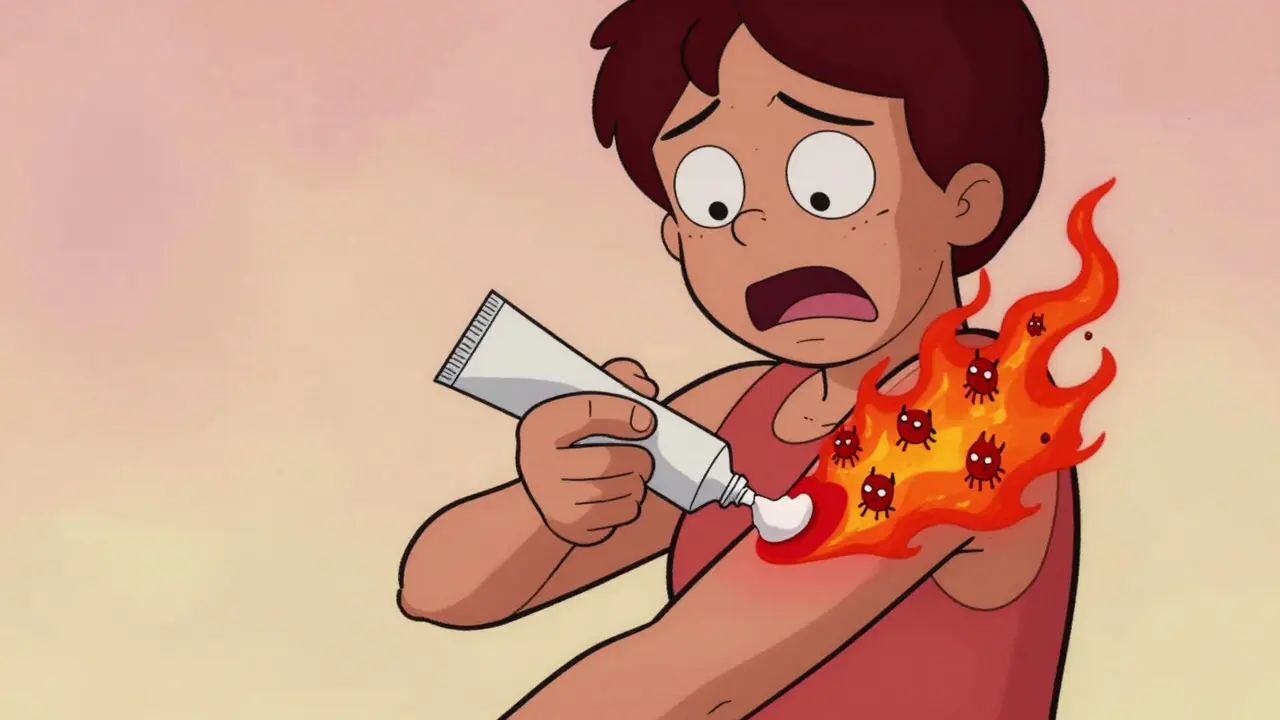
Topical Medication Allergies: How to Identify and Treat Contact Dermatitis
Discover how to identify and treat topical medication allergies and contact dermatitis. Learn about common triggers, patch testing, and effective steroid-sparing treatments.
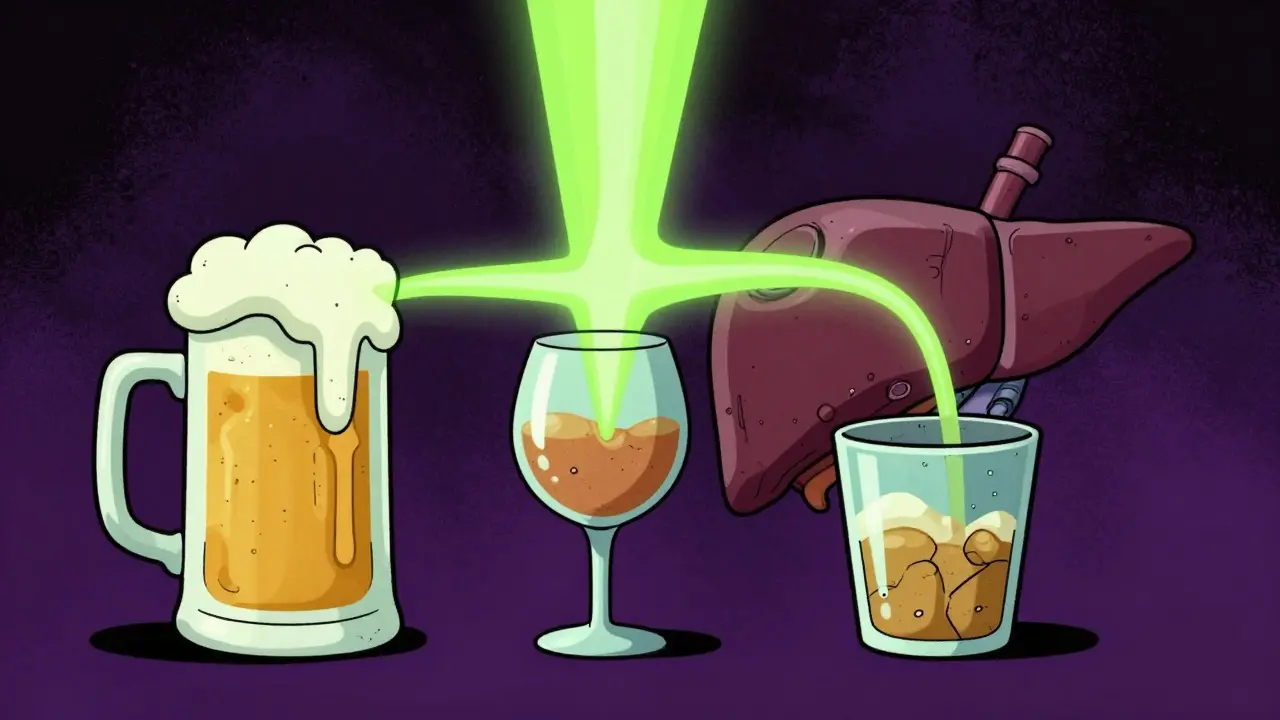
Alcohol Types and Medication Safety: Spirits, Wine, and Beer Risks Guide
Discover how different alcohol types like beer, wine, and spirits interact with medications. Learn the science behind standard drinks and identify high-risk combinations.
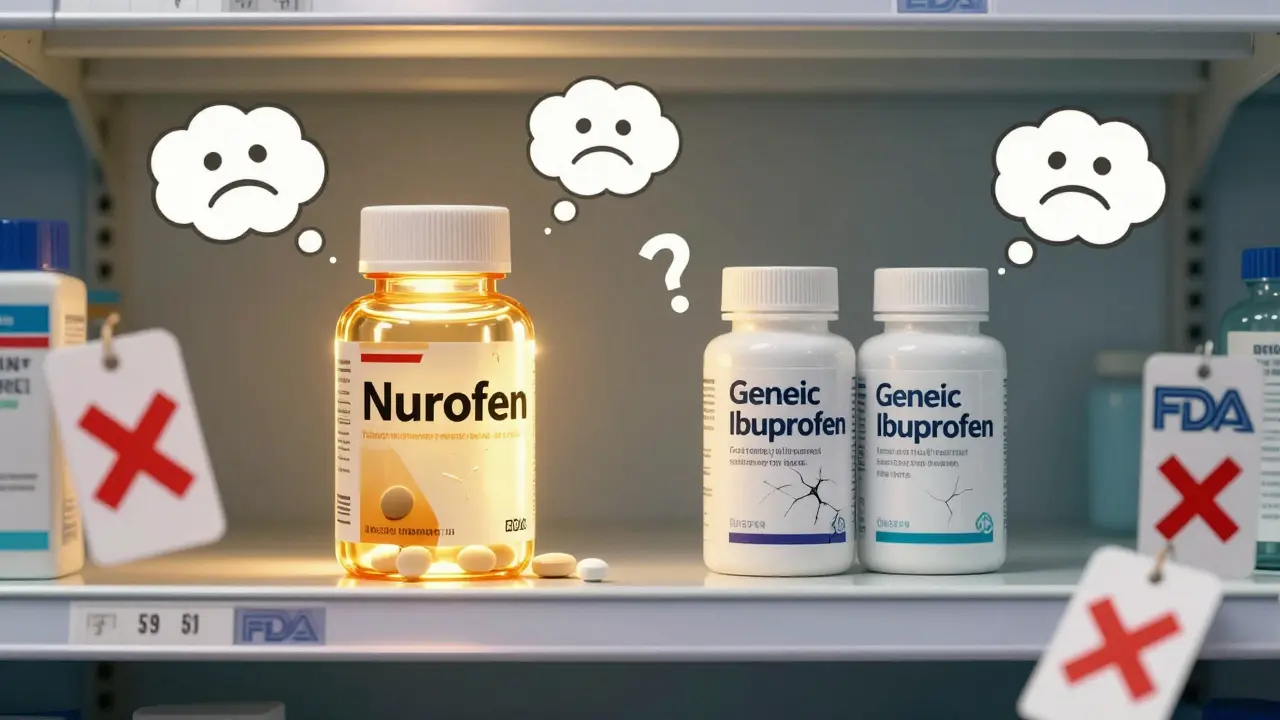
Placebo Effect with Generics: Why Perception Affects Medication Outcomes
Perception shapes how well generic medications work-even when they’re chemically identical to brand-name drugs. Learn why branding, price, and labeling affect outcomes and how to overcome the placebo gap.
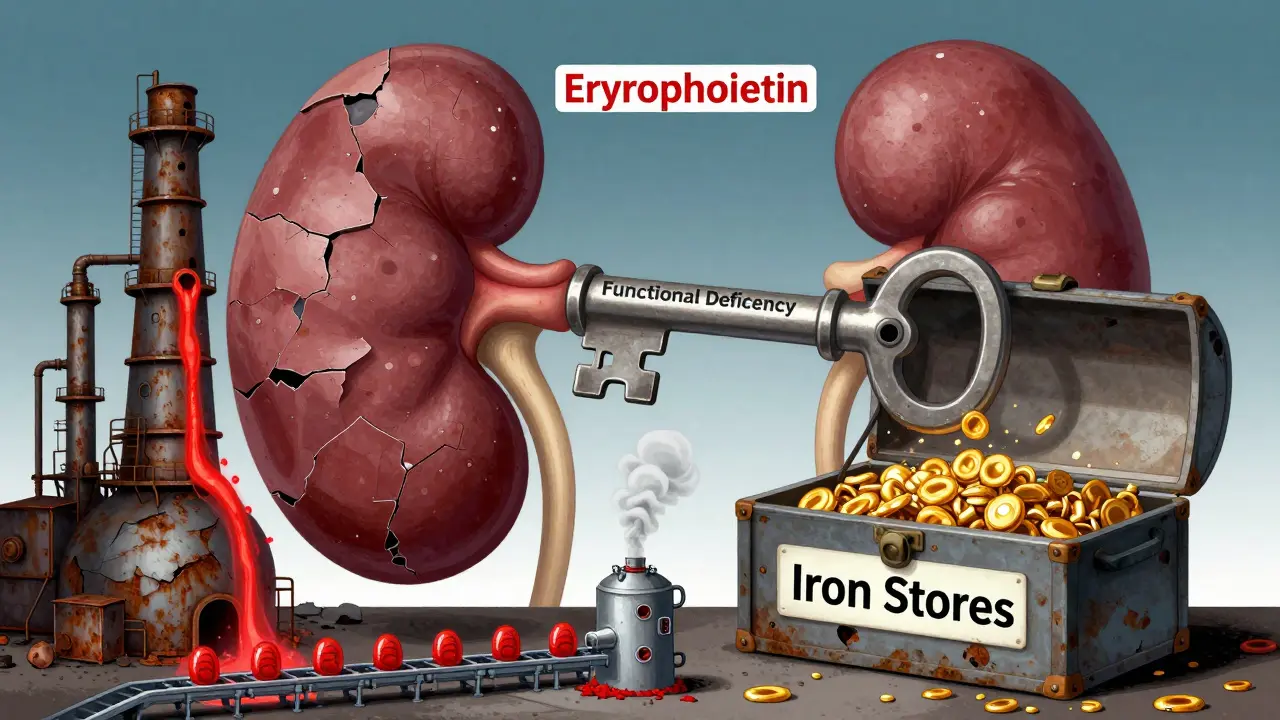
Anemia in Kidney Disease: How Erythropoietin and Iron Therapy Work Together
Anemia in kidney disease is caused by low erythropoietin and iron misuse. Erythropoietin therapy and IV iron are the main treatments, with new oral HIF-PHIs now offering alternatives. Targeting hemoglobin between 10-11.5 g/dL improves quality of life and reduces risks.
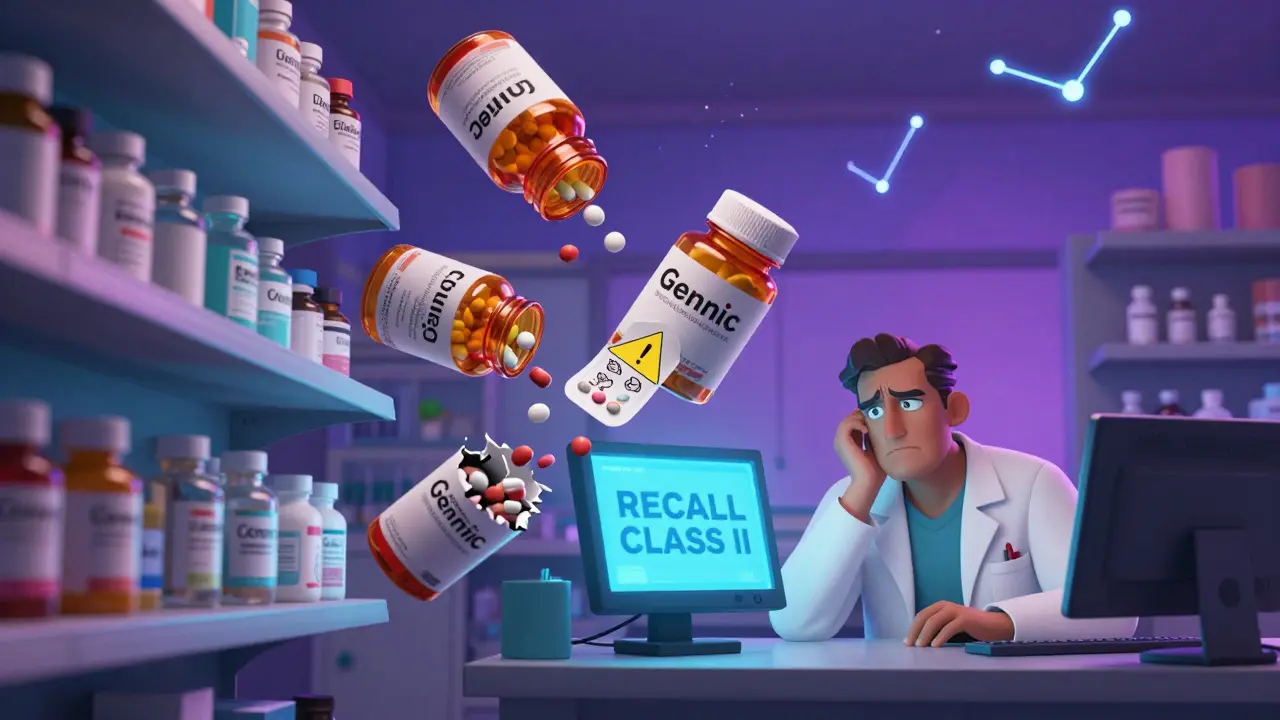
Generic Drug Recalls: Why They Happen and What to Do
Generic drug recalls happen more often than you think - and they’re not always about dangerous contamination. Learn why they occur, how to check if your meds are affected, and what steps to take to stay safe.
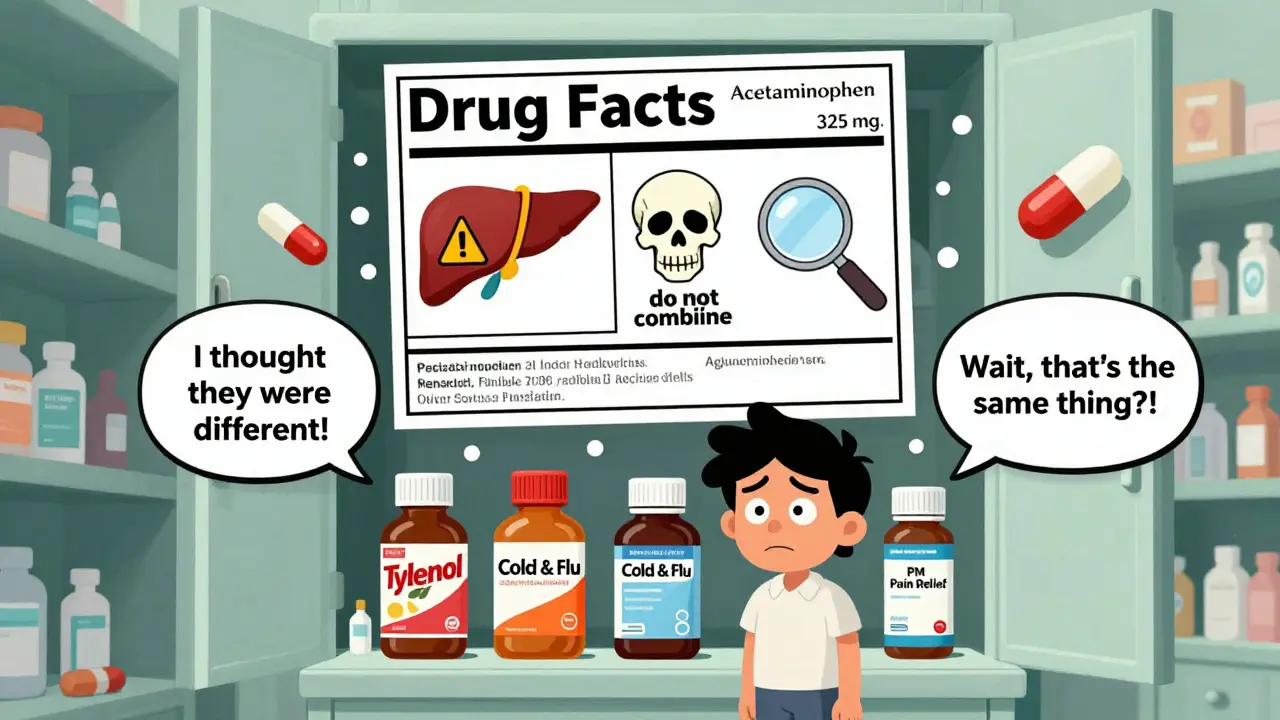
How to Read OTC Drug Facts Labels Correctly and Confidently
Learn how to read OTC drug facts labels to avoid dangerous overdoses and medication errors. Know the seven key sections, spot hidden ingredients, and use simple checks to stay safe.
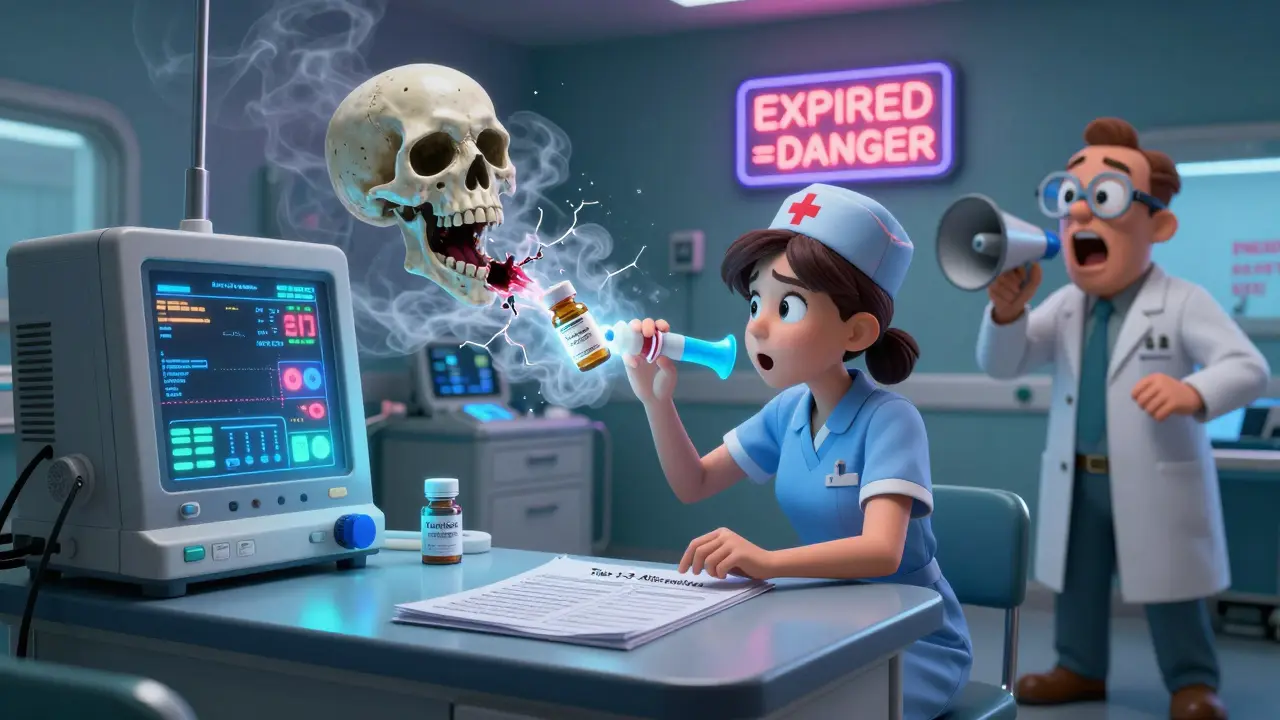
How to Prioritize Replacements for Expired Critical Medications
When critical medications expire, patient safety is at risk. Learn how to prioritize replacements using proven tiered protocols, pharmacist-led workflows, and real-world strategies to prevent errors and save lives.
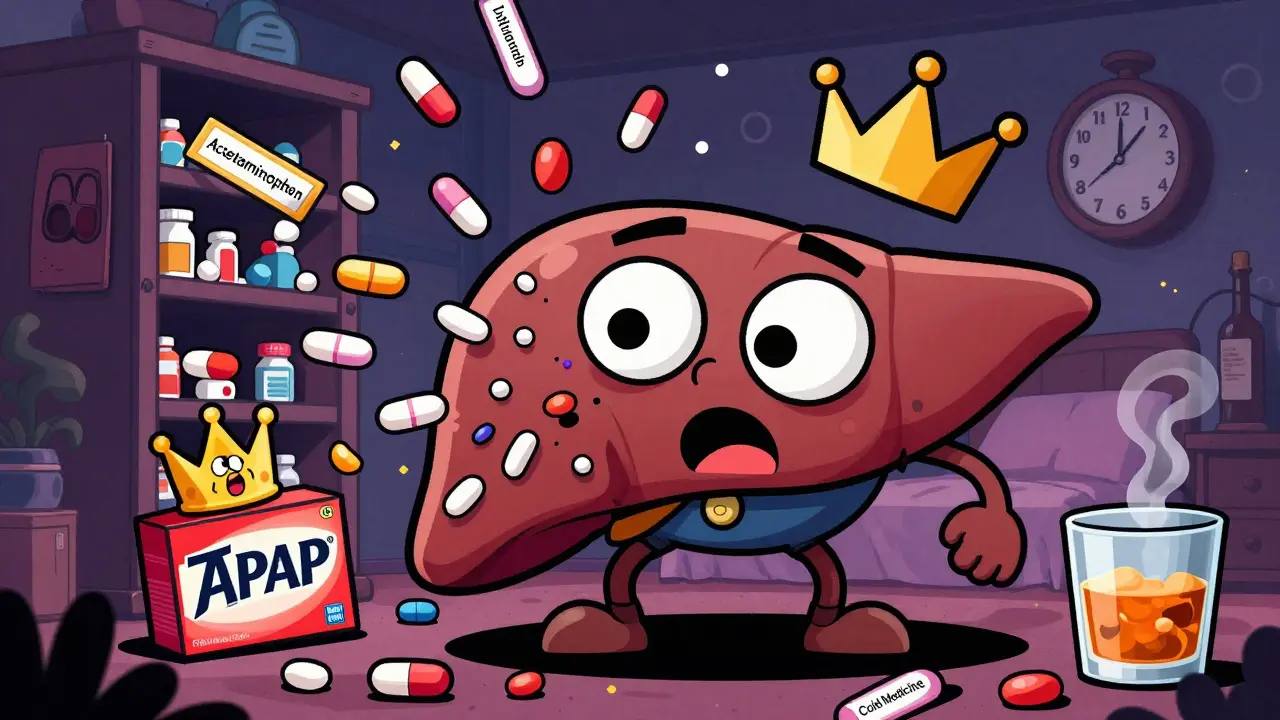
How to Avoid Liver Injury from OTC Pain Relievers
Acetaminophen is the most common cause of liver failure from OTC pain relievers. Learn how to use it safely, avoid hidden sources in cold medicines, recognize warning signs, and find safer alternatives for long-term pain relief.