
Archive: 2026/01
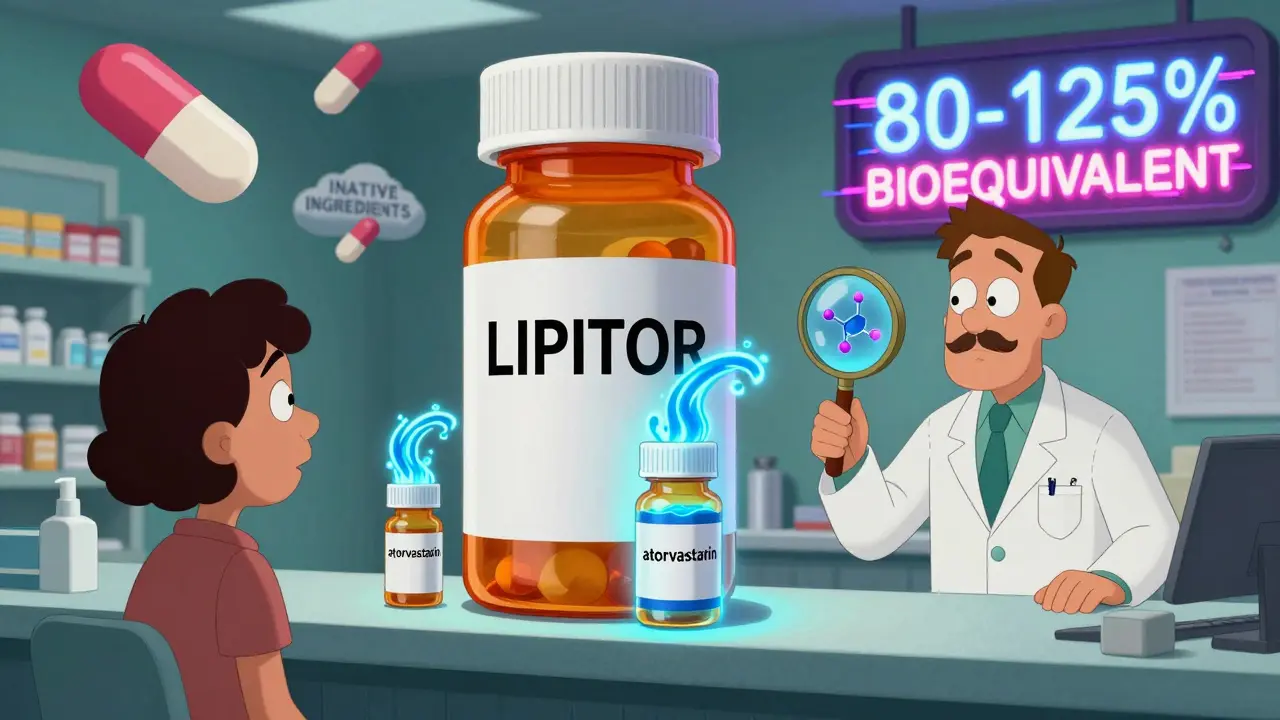
Generic Names vs. Brand Names on Prescription Labels: What You Need to Know
Learn how to read your prescription label and understand the difference between generic and brand-name drugs. Discover why generics are just as effective, how much you can save, and what to do if you're unsure about your medication.
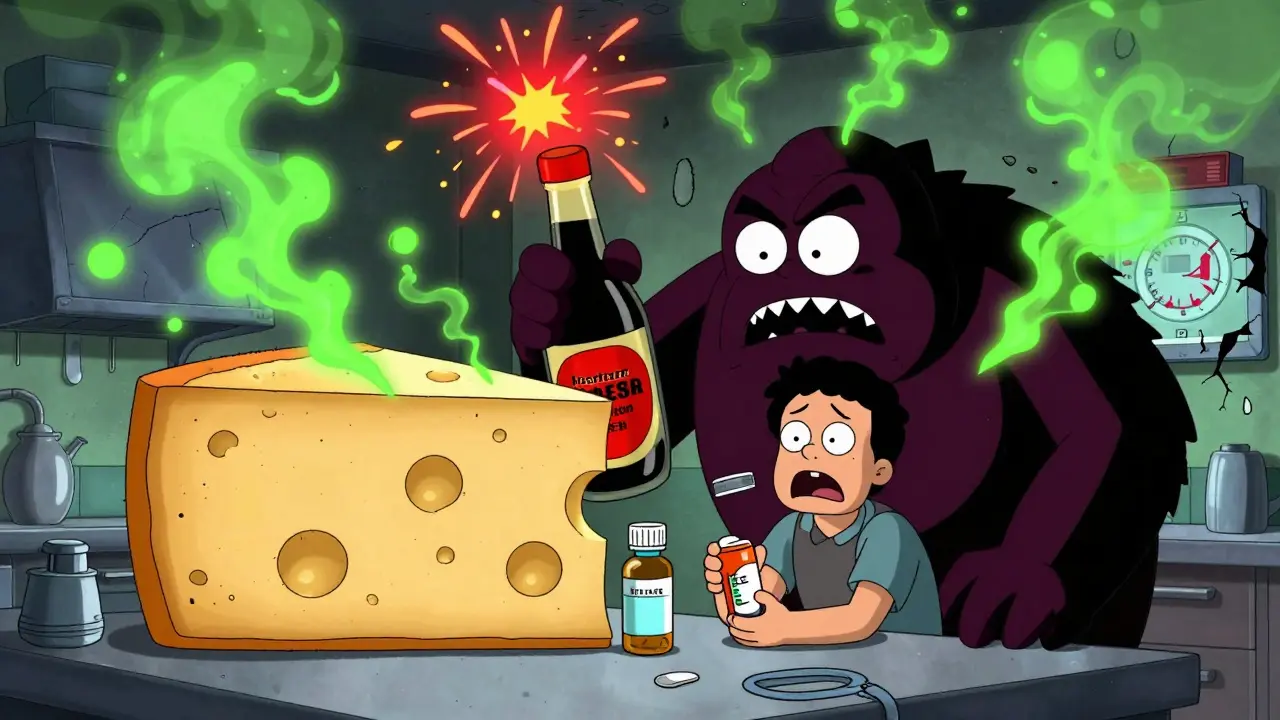
MAO Inhibitors: Dangerous Interactions with Common Medications
MAO inhibitors can save lives-but they can also cause deadly reactions with common medications, supplements, and foods. Learn which drugs and foods to avoid and how to stay safe if you're prescribed one.
Smoking Cessation: Medications and Strategies That Actually Work
Discover the most effective medications and proven strategies to quit smoking for good. Learn how varenicline, NRT, and bupropion work, what side effects to expect, and how to combine them with behavioral support for real results.
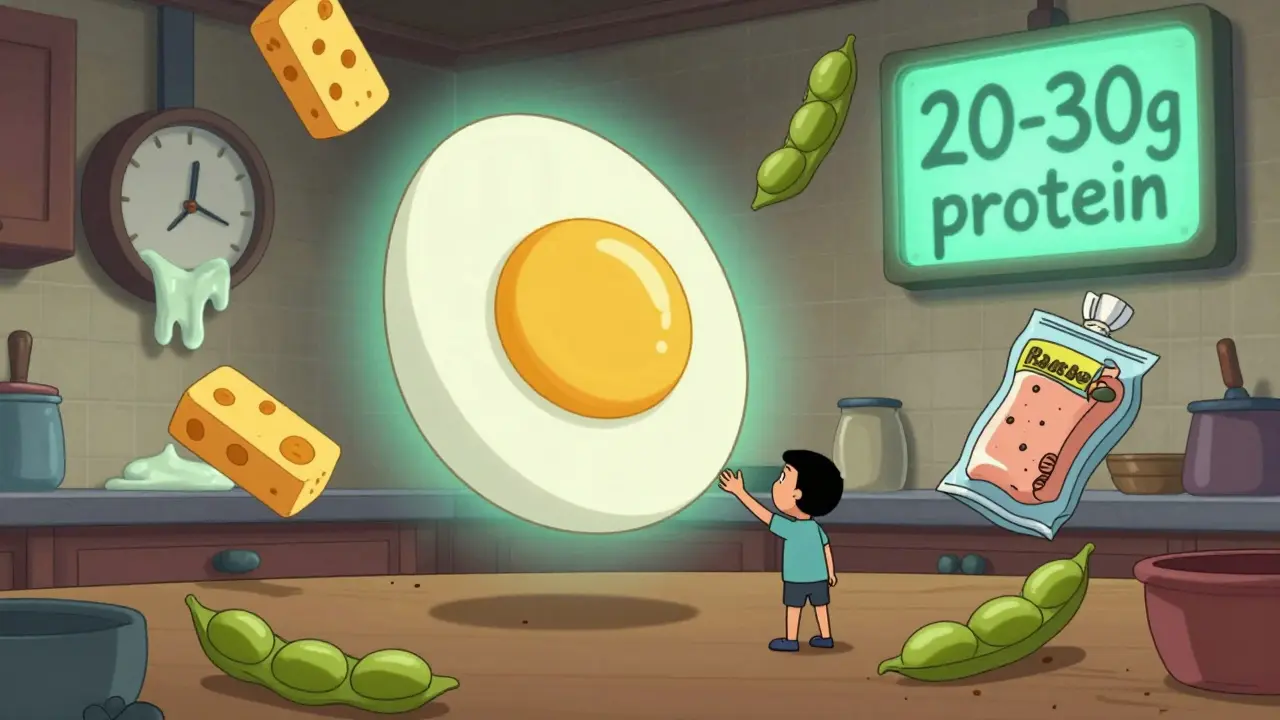
Healthy Snacking: High-Protein, Low-Calorie Ideas for Weight Management
Discover simple, science-backed high-protein, low-calorie snacks that curb hunger, support muscle retention, and help with weight management-without feeling deprived.
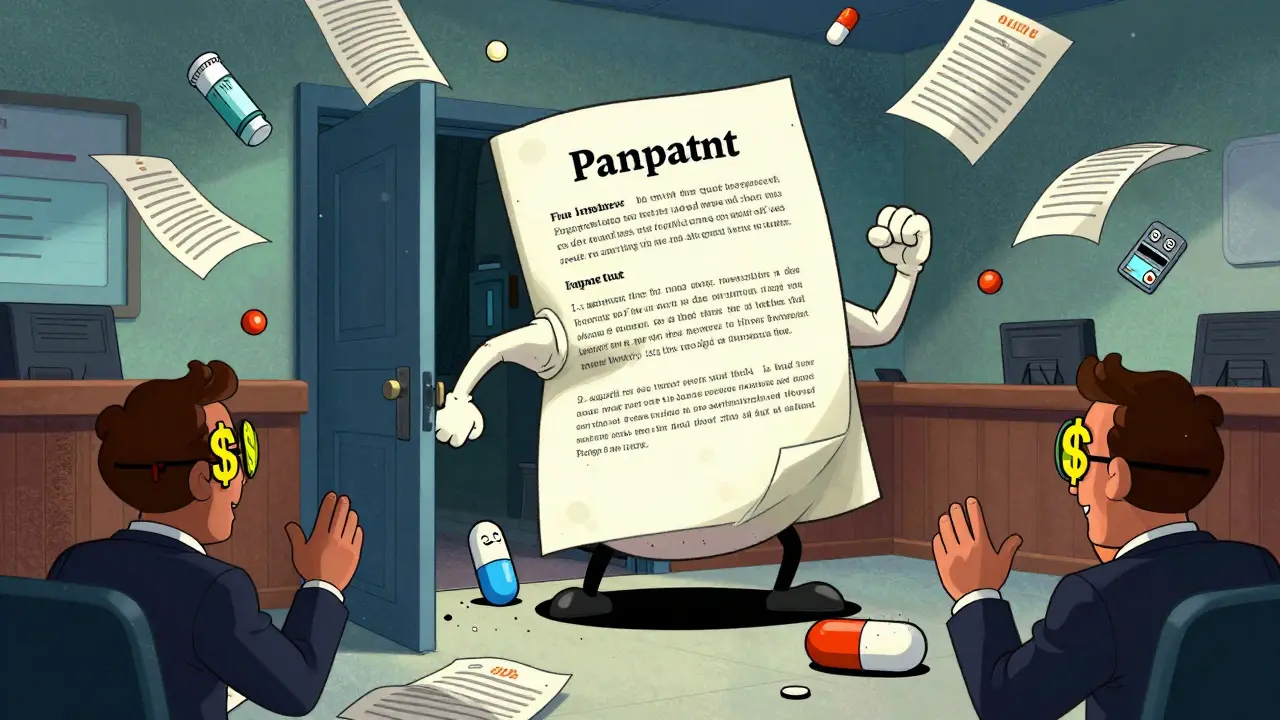
Litigation in Generic Markets: How Patent Disputes Delay Affordable Medicines
Patent disputes in the generic drug market delay affordable medicines by years. Learn how Orange Book listings, serial litigation, and pay-for-delay settlements impact access and costs.
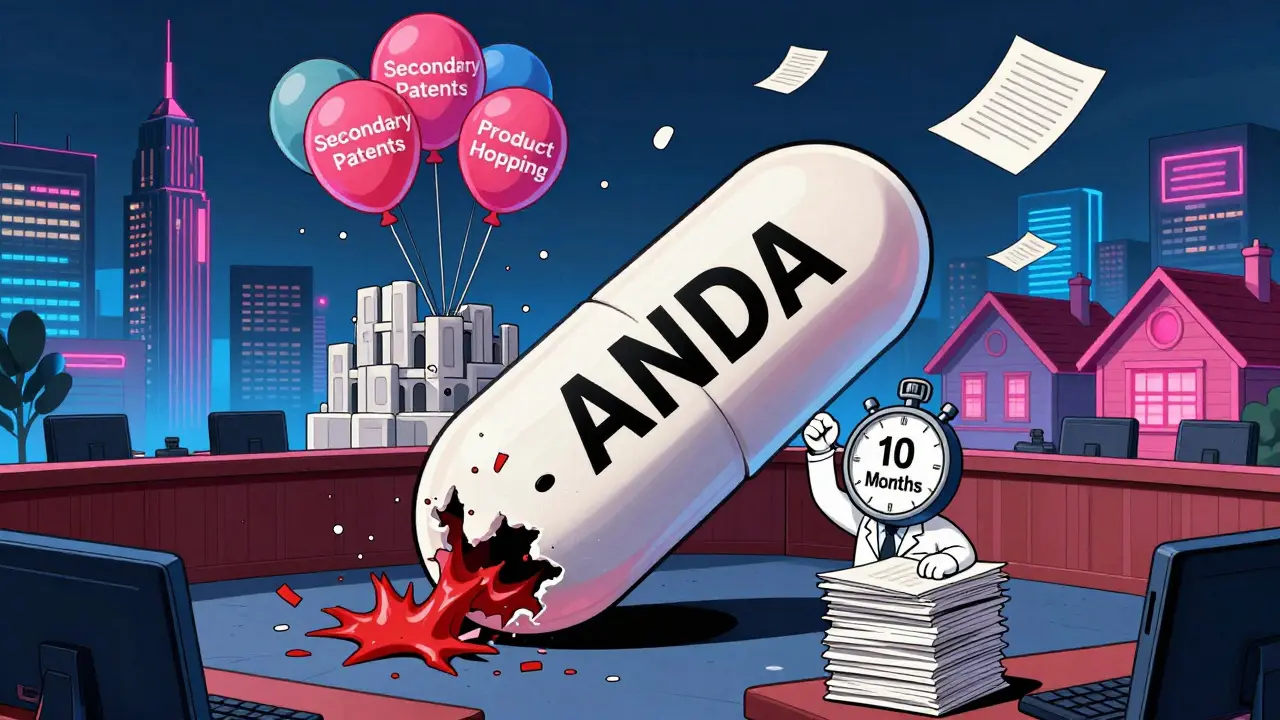
Hatch-Waxman Act: How It Shaped Generic Drug Access in the U.S.
The Hatch-Waxman Act created the modern system for generic drug approval in the U.S., balancing innovation incentives with affordable access. It cut drug costs by billions but also opened the door to patent abuse and legal delays.
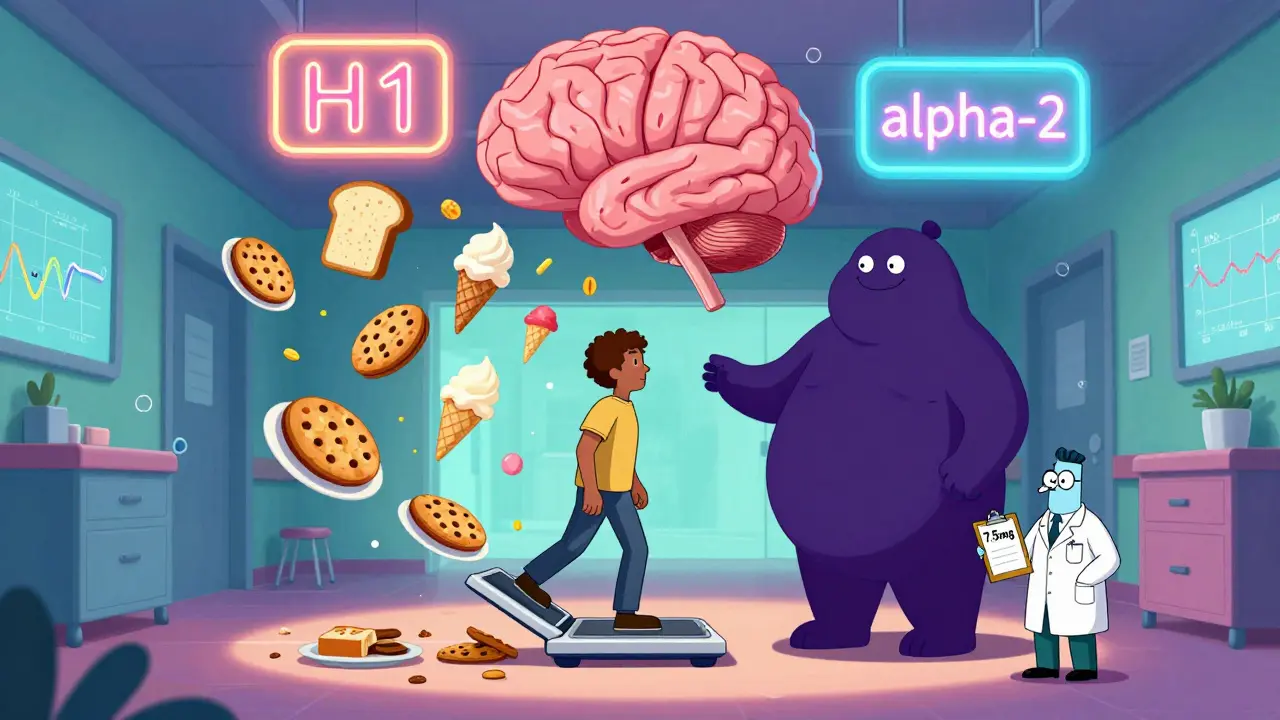
Mirtazapine and Weight Gain: What You Need to Know About This Common Side Effect
Mirtazapine often causes weight gain due to its effect on appetite and metabolism. Learn why it happens, how much weight people typically gain, and what you can do to manage it without stopping the medication.
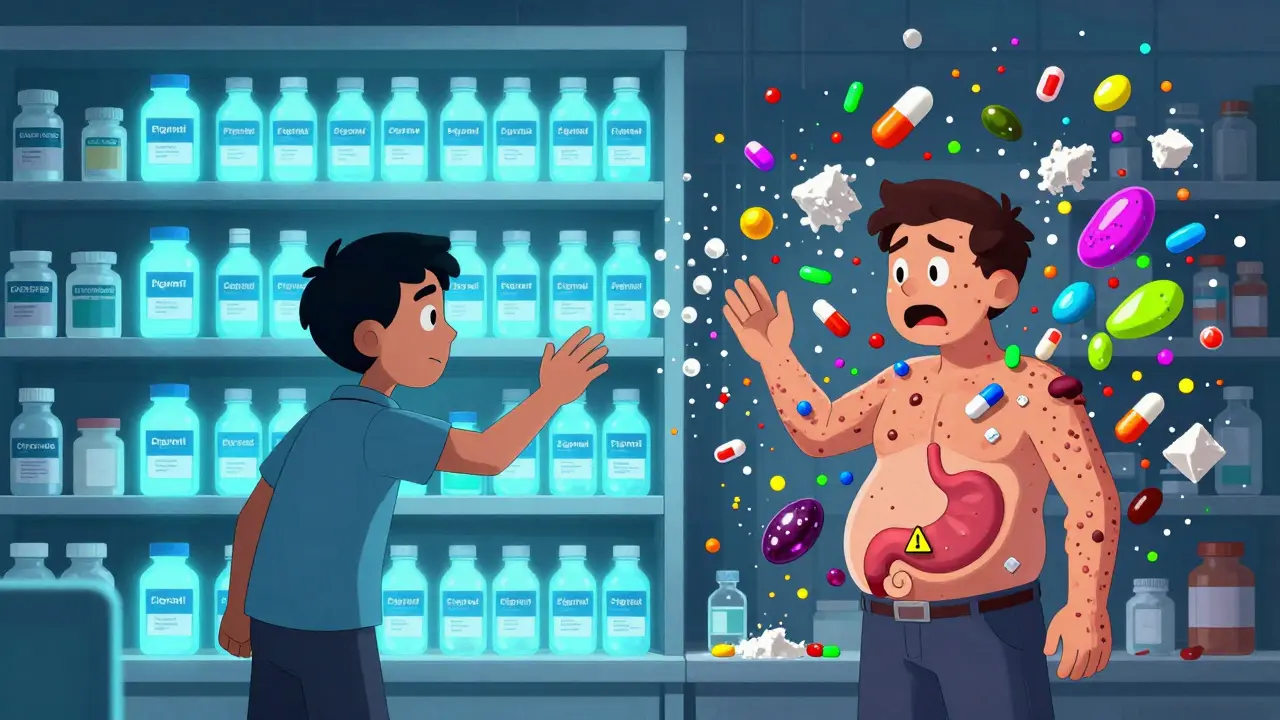
Alternative Medication Classes: Different Drugs, Different Side Effects
Different types of medications - prescription, OTC, and herbal - come with different side effects and risks. Learn how to spot dangerous interactions, why generics aren't always interchangeable, and what to watch for when switching meds.
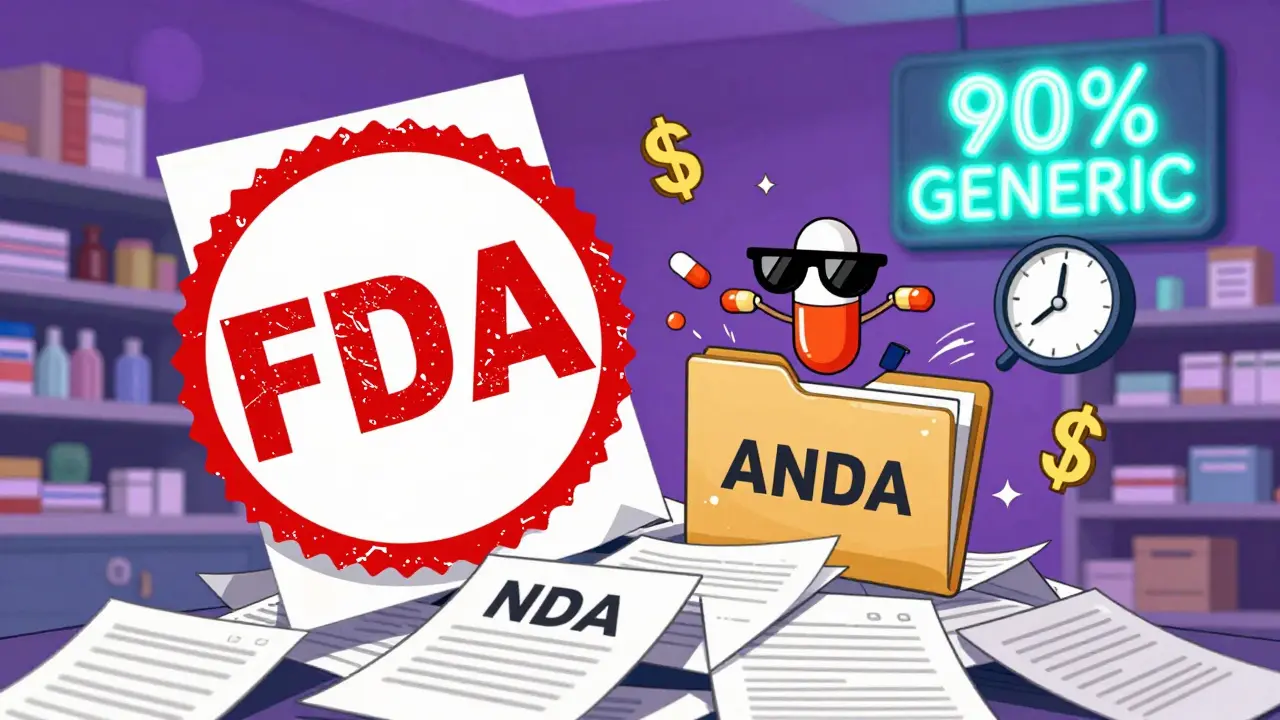
What is an ANDA? The Complete Guide to Abbreviated New Drug Applications
An ANDA is the FDA pathway that allows generic drugs to enter the market without repeating costly clinical trials. It's the reason 90% of U.S. prescriptions are filled with affordable generics, saving billions annually.
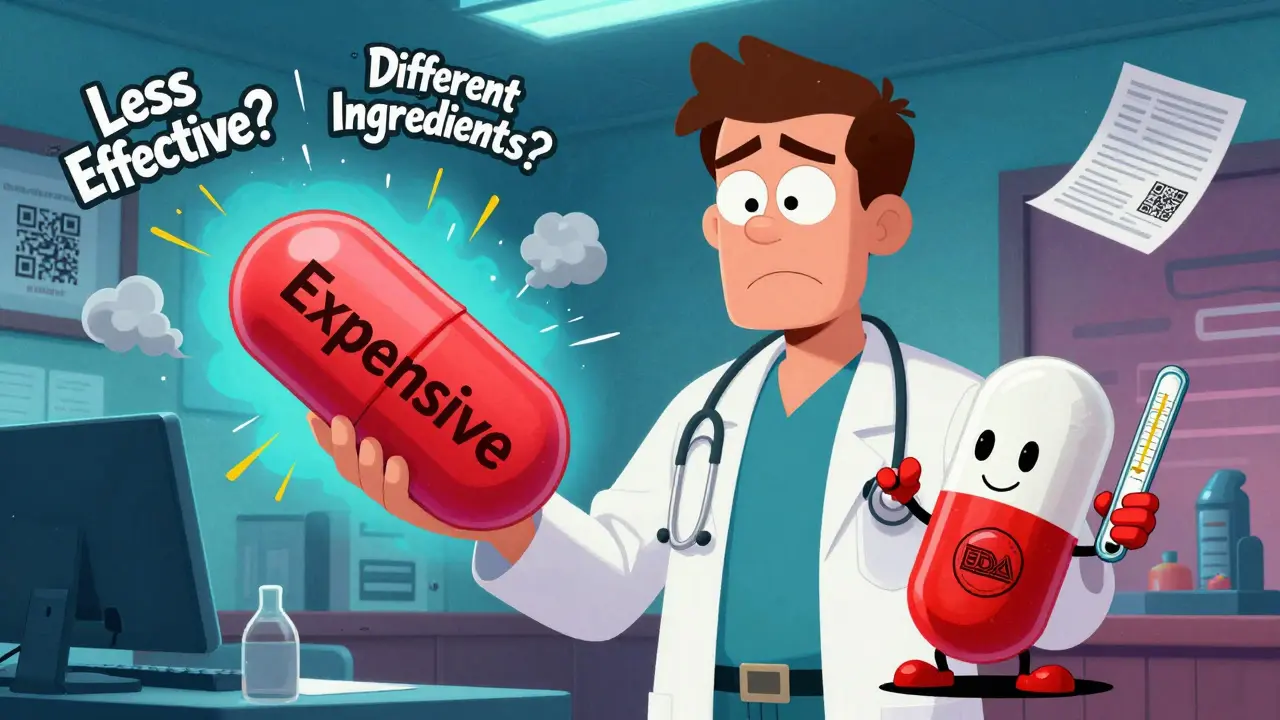
Prescriber Education Resources: Guides for Doctors on Generics
Evidence-based guides for doctors on prescribing generic medications, covering FDA standards, patient communication, cost savings, and practical tools to overcome skepticism and improve adherence.