
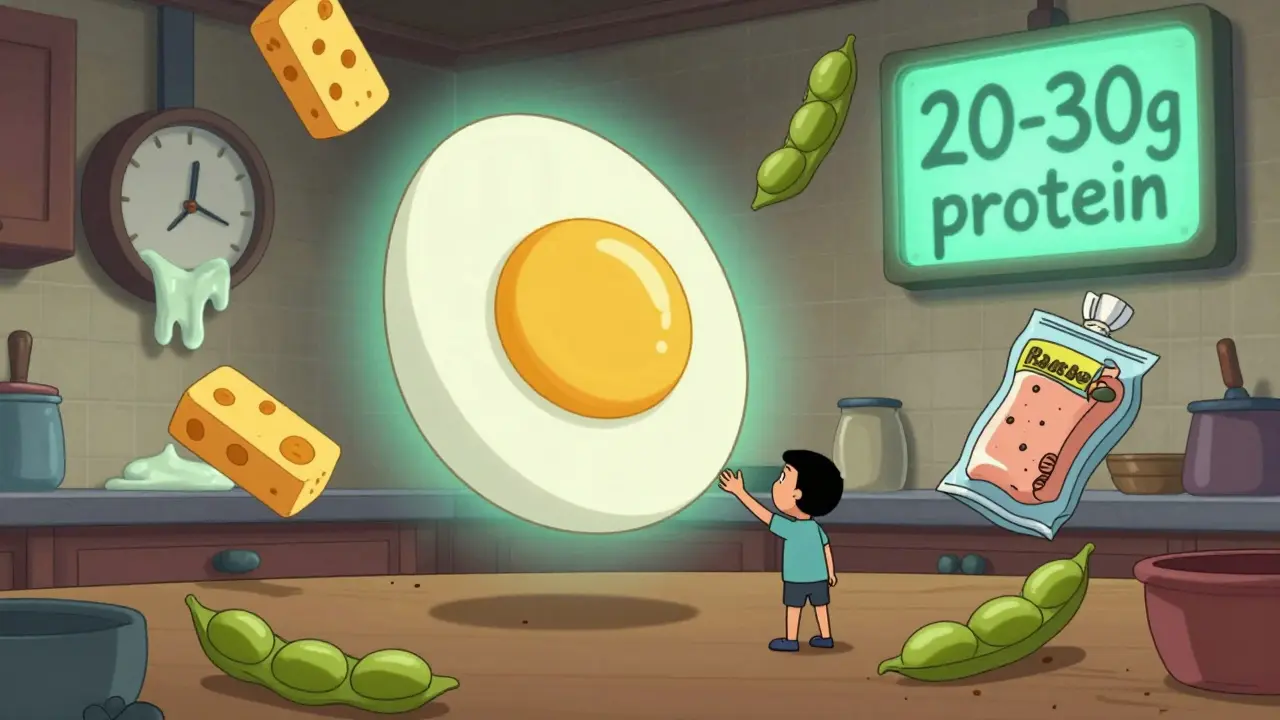
Want to stop mid-afternoon cravings without wrecking your calorie budget? The secret isn’t skipping snacks-it’s choosing the right ones. High-protein, low-calorie snacks keep you full longer, stabilize blood sugar, and help you hold onto muscle while losing fat. This isn’t just another diet trend. It’s science-backed nutrition that works whether you’re trying to lose weight, maintain it, or just feel less hungry between meals.
Why Protein Snacks Work Better Than Anything Else
Not all snacks are created equal. A bag of chips might satisfy your crunch craving, but it won’t stop you from eating again an hour later. Protein does. When you eat protein, your body releases hormones like PYY and GLP-1 that signal fullness to your brain. Studies show this effect is 15-25% stronger than with carbs or fat. That means one hard-boiled egg can keep you satisfied longer than three cookies.
Protein also burns more calories just to digest. While carbs use 5-10% of their energy for digestion, protein uses 20-30%. That’s called the thermic effect of food. So even if two snacks have the same calories, the protein one gives you more metabolic bang for your buck.
And here’s the kicker: spreading protein evenly through the day-about 20-30 grams per snack or meal-boosts muscle repair and prevents muscle loss during weight loss. Research from the Journal of the International Society of Sports Nutrition shows this pattern is more effective than cramming all your protein into dinner.
Top 10 High-Protein, Low-Calorie Snacks (Under 200 Calories)
- Hard-boiled eggs (2 eggs): 12g protein, 156 calories. Simple, portable, and the #1 most logged snack on MyFitnessPal. Sprinkle with salt and pepper or a dash of everything bagel seasoning.
- Unsweetened Greek yogurt (100g): 10g protein, 59 calories. Add a handful of blueberries for fiber and antioxidants. Avoid flavored versions-they’re sugar bombs.
- Cottage cheese (1/2 cup): 14g protein, 90 calories. Mix with pineapple or cherry tomatoes. Try cottage cheese bark-spread it thin on parchment, freeze, then break into chunks.
- String cheese (1 stick): 7g protein, 80 calories. Perfect for quick grabs. Look for part-skim to keep calories low.
- Edamame (1 cup, steamed): 17g protein, 189 calories. Sprinkle with sea salt. Bonus: 8g of fiber to keep you fuller longer.
- Roasted chickpeas (1/2 cup): 7g protein, 135 calories. Crunchy, savory, and packed with fiber. Bake your own with olive oil, paprika, and garlic powder.
- Tuna pouch (1 pouch, 2.5 oz): 17g protein, 70 calories. Eat straight from the pouch or mix with a spoonful of Greek yogurt instead of mayo.
- Hard cheese cubes (1 oz cheddar or mozzarella): 7g protein, 110 calories. Pair with a few cucumber slices for a refreshing, low-carb bite.
- Protein shake (1 scoop whey or casein in water): 20-25g protein, 100-130 calories. Choose ones with under 5g sugar. Avoid sugar alcohols if they upset your stomach.
- Miso & sesame eggs (2 eggs, poached in miso broth): 12g protein, 160 calories. A savory, umami-rich option that’s surprisingly satisfying. Prep ahead and reheat.
Plant-Based vs. Animal-Based: What’s Better?
Animal proteins like eggs, dairy, and chicken are complete-they contain all nine essential amino acids your body can’t make. That’s why they score a perfect 1.0 on the PDCAAS scale. Plant proteins like beans, tofu, and lentils often miss one or two, but you can fix that by combining them.
For example: hummus (chickpeas) + whole wheat pita = complete protein. Same with peanut butter on whole grain toast. You don’t need them in the same meal-just within the same day.
Plant-based snacks win on fiber. A half-cup of roasted chickpeas gives you 6g fiber. That’s more than most protein bars. Fiber slows digestion, helps gut health, and keeps blood sugar steady. Animal proteins don’t have fiber, but they pack more protein per calorie. Chicken breast gives you 26g protein for 140 calories. Tofu? Only 9g for 70 calories. So if you’re counting every calorie, animal sources are more efficient.
But if you care about sustainability, plant-based snacks have a clear edge. They generate 73% fewer greenhouse gases than animal-based options. That’s not just good for you-it’s good for the planet.
What to Avoid (Even If It Says “High Protein”)
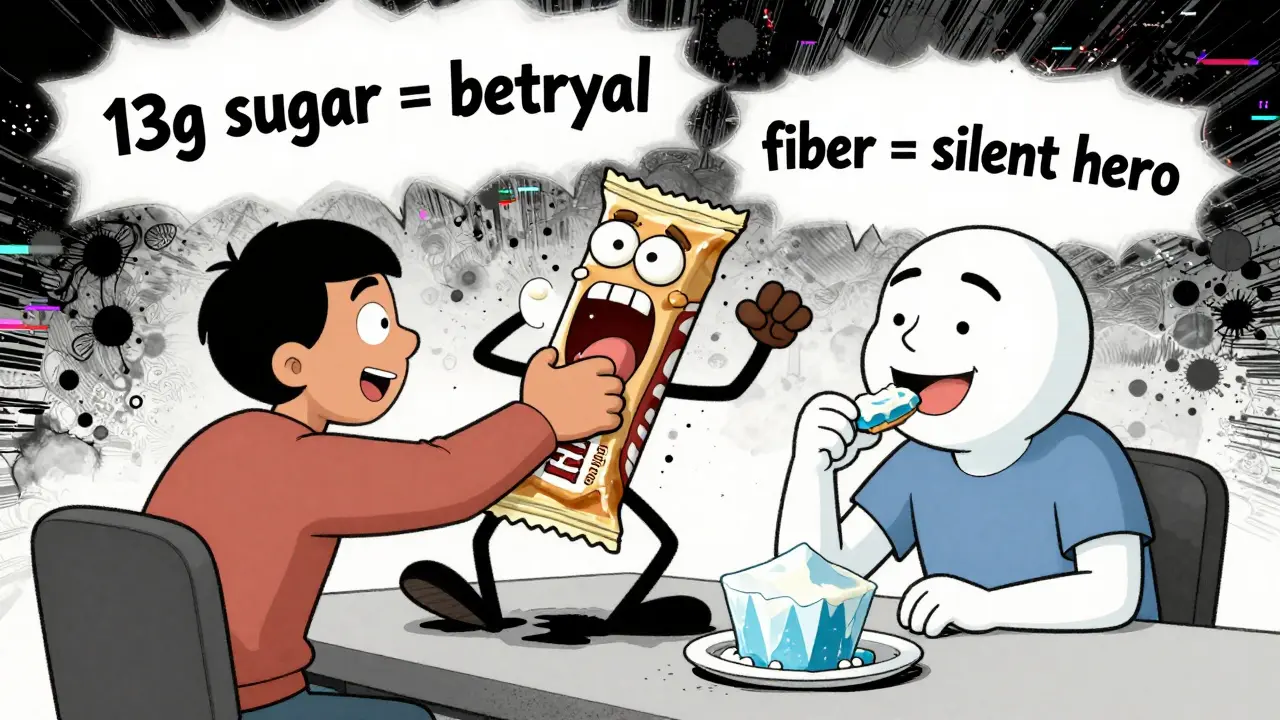
Not every protein bar is healthy. Many are candy bars with added protein powder. Look at the label. If it has more than 5g of added sugar, skip it. RXBARs taste great but have 13g sugar-mostly from dates. Quest bars have less sugar but use sugar alcohols like erythritol, which can cause bloating or diarrhea in 23% of users.
Jerky is another trap. One ounce can have 700mg of sodium-nearly a quarter of your daily limit. Look for low-sodium versions or make your own by slicing lean beef or turkey thin and air-drying it.
Protein bagels? They’re dense, gummy, and often loaded with fillers. Users on Allrecipes say 42% fail to get the texture right. Stick to whole foods when you can.
How to Make This Work in Real Life
You don’t need to spend hours prepping. Here’s how to make high-protein snacking simple:
- Batch cook eggs on Sunday. Boil a dozen. Store in the fridge. Grab two anytime.
- Portion cottage cheese into small containers with pre-measured berries or tomato chunks.
- Keep tuna pouches in your desk drawer or glove compartment.
- Buy frozen edamame-steam in the microwave in 2 minutes.
- Use unflavored collagen peptides in coffee or water if protein shakes taste weird. They dissolve completely and add 10g protein per scoop.
Start small. If you’re new to this, begin with 10-15g protein snacks. Work your way up to 20-25g over a few weeks. Too much too fast can cause bloating or gas.
When and How Often to Snack
Snack when you’re genuinely hungry-not because it’s 3 p.m. or you’re bored. Aim for one snack between meals if you’re active or going more than 4-5 hours without eating.
Some experts recommend having a protein snack within 45 minutes of waking up. After sleeping, your body breaks down muscle for energy. A 15-20g protein snack in the morning helps stop that process.
Post-workout? Protein helps repair muscle. A shake or Greek yogurt within 30 minutes is ideal. But if you ate a protein-rich meal before your workout, you don’t need another snack right after.
What Science Says About Long-Term Results
People who snack on protein consistently lose more fat and keep it off. A 2023 study in the Journal of Cachexia, Sarcopenia and Muscle found older adults who ate two 25g protein snacks daily kept 3.2% more muscle over 12 months than those who didn’t.
Another study from Harvard showed protein snacks reduced next-meal intake by 12-15%. That’s like eating a whole meal less without trying.
And it’s not just about weight. Stable blood sugar means fewer energy crashes, less brain fog, and better mood. Protein snacks help with insulin resistance-a big factor in belly fat and type 2 diabetes.
Just don’t overdo it. More than 40g of protein in one snack doesn’t give you more fullness-it just adds unnecessary calories and may push out other nutrients like healthy fats or fiber.
Final Tip: Taste Matters More Than You Think
Science says protein keeps you full. But if you hate the taste or texture, you won’t stick with it. That’s why cottage cheese bark scored higher than protein bars in taste tests. Savory snacks like miso eggs and roasted chickpeas kept people satisfied longer than sweet ones.
Experiment. Try different flavors. Add herbs, spices, hot sauce, or a squeeze of lemon. Don’t settle for bland. High-protein snacking shouldn’t feel like punishment-it should feel like a treat your body loves.
Can I eat high-protein snacks if I’m not trying to lose weight?
Absolutely. High-protein snacks aren’t just for weight loss. They help maintain muscle, stabilize energy, and reduce cravings-even if you’re at your goal weight. Athletes, busy parents, and older adults all benefit from spreading protein evenly throughout the day.
Are protein bars worth it?
Only if you read the label. Look for under 5g added sugar, at least 15g protein, and no sugar alcohols if you’re sensitive. Whole foods like eggs, cottage cheese, or tuna are usually better. Save protein bars for when you’re on the go and nothing else is available.
How much protein do I need per snack?
Aim for 15-25g per snack. That’s enough to trigger muscle repair and fullness signals without overdoing it. Less than 10g won’t make a big difference. More than 40g doesn’t add extra benefit and may add unwanted calories.
Can I use plant-based protein for snacks?
Yes, but combine sources to get all essential amino acids. Pair beans with grains (like rice and lentils), or tofu with quinoa. Edamame, roasted chickpeas, and soy yogurt are great standalone options with good protein and fiber.
Why do I feel bloated after eating protein snacks?
It could be from sugar alcohols in protein bars, too much dairy if you’re lactose intolerant, or suddenly increasing fiber from beans or edamame. Try switching to unflavored collagen, hard-boiled eggs, or cottage cheese. Slowly increase fiber intake to let your gut adjust.
Do I need to track calories with these snacks?
Not if you’re eating whole foods like eggs, yogurt, or cottage cheese. They’re naturally low-calorie and filling. But if you’re using protein powders or bars, tracking helps avoid hidden sugars and calories. Use apps like MyFitnessPal to log for a week-then you’ll know what works without counting.
Next Steps
Start tomorrow. Pick one snack from the list and add it to your routine. Maybe it’s two hard-boiled eggs at 3 p.m. Or a cup of edamame instead of chips. Stick with it for a week. Notice how your energy feels. Notice if you’re less tempted by sweets.
If you’re still hungry after a snack, add a small portion of fiber-like a few apple slices or carrot sticks. Protein + fiber is the ultimate combo for staying full.
And if you’re unsure what works for you, try the USDA FoodData Central database. Search any food, see its exact protein and calorie count, and build your own snack list. No guesswork. Just facts.
Comments
paul walker
January 29, 2026 AT 04:44Just tried the cottage cheese bark last week and holy crap it’s a game changer. I made it with pineapple and a sprinkle of cinnamon, froze it, and now I snack on it like candy. No more afternoon cookie cravings. My wife even stole half the batch. Worth it.
Alex Flores Gomez
January 29, 2026 AT 12:37Let’s be real-most of these ‘snacks’ are just glorified diet food. If you’re eating hard-boiled eggs and tuna pouches because you think it’s ‘science-backed,’ you’re missing the point. Real food is flavorful, not engineered to be low-calorie. Also, why is everyone obsessed with protein? Carbs aren’t the enemy, you’re just scared of real hunger.
Frank Declemij
January 29, 2026 AT 23:41Protein distribution throughout the day is one of the most underrated nutrition principles. The 20-30g per meal rule isn’t arbitrary-it’s backed by muscle protein synthesis thresholds. Most people consume 80% of their protein at dinner. That’s inefficient. Spreading it out improves satiety and preserves lean mass. Simple math, not magic.
Pawan Kumar
January 31, 2026 AT 17:28Have you considered that the entire protein-snacking trend is a corporate manipulation? Big Pharma and supplement companies profit from making you believe you need engineered protein powders and low-calorie bars. The real solution? Eat real food. Stop trusting ‘science’ that comes with a branded label.
DHARMAN CHELLANI
February 2, 2026 AT 06:57Protein bars are trash. Even the ‘clean’ ones are just candy with protein powder slapped on. And edamame? Overrated. You’re paying for fiber you could get from a carrot. Just eat meat. It’s simpler. Done.
kabir das
February 2, 2026 AT 10:31But... what if... you’re lactose intolerant?!?!?! I tried the Greek yogurt and cottage cheese and my stomach turned into a war zone!! I cried for three hours!! I think the dairy industry is secretly poisoning us!! I’m switching to algae protein now!!
Keith Oliver
February 4, 2026 AT 09:49Anyone else notice how everyone’s obsessed with ‘science’ but never checks the actual studies? That 2023 muscle study? It was on older adults, not 25-year-olds who lift. And the ‘15-25% stronger fullness’ claim? That was in a 12-person trial with no control group. We’re turning nutrition into a cult.
Kacey Yates
February 6, 2026 AT 01:04I tried the miso eggs and honestly I was skeptical but wow. I made it with a little chili oil and it’s my new go-to. I used to snack on chips and now I feel like a superhero. Also, I spelled ‘miso’ wrong in my notes the first time but it still worked lol.
Jess Bevis
February 6, 2026 AT 13:25In Japan, we eat grilled fish and miso soup for snacks. No one counts protein. We just eat until satisfied. Maybe the answer isn’t more protein-it’s more mindfulness.
Rose Palmer
February 8, 2026 AT 13:22It is imperative to recognize that the physiological response to protein ingestion is mediated by complex hormonal pathways, including but not limited to ghrelin suppression and cholecystokinin release. A structured approach to macronutrient timing can yield significant metabolic advantages over time.
Howard Esakov
February 9, 2026 AT 04:10Protein shakes are the only way. I do 2 scoops with ice and call it a snack. 💪 You’re not serious if you’re still eating ‘whole foods.’ That’s what your grandpa did. We’ve got science now. 😎
Kathy Scaman
February 9, 2026 AT 13:22Just ate two eggs and a handful of almonds. Felt like I could run a marathon. Also, I’m not even trying to lose weight. Just don’t wanna feel sluggish at 3 p.m. That’s all.
Anna Lou Chen
February 10, 2026 AT 02:30The entire paradigm of ‘snacking’ is a capitalist construct designed to commodify hunger. When we reduce nourishment to macronutrient ratios, we alienate ourselves from the somatic wisdom of the body. True satiety emerges not from protein grams, but from ancestral rhythm-eating when the sun aligns with your circadian pulse. The eggs? They’re just symbols. The real snack is presence.