
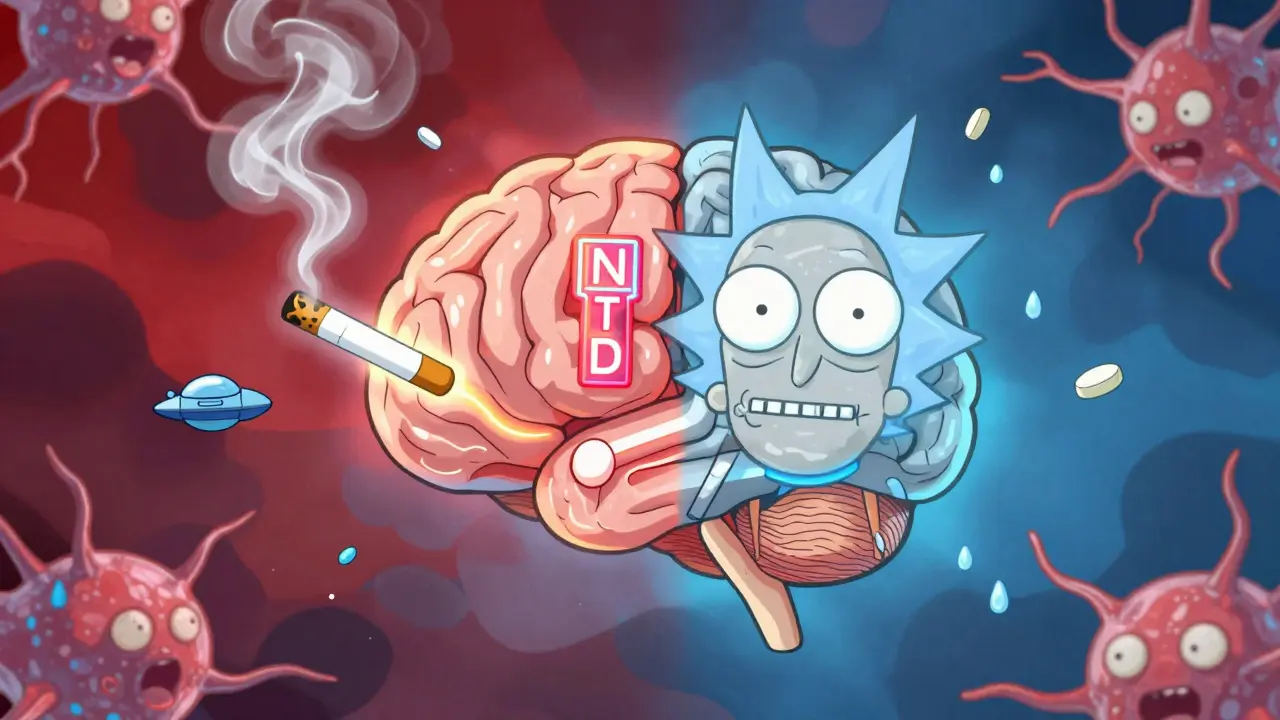
Quitting smoking isn’t just about willpower. It’s a biological battle. Nicotine rewires your brain, and when you stop, your body screams for it. That’s why most people who try to quit cold turkey fail-about 95% do. But there’s real science behind what works. And it’s not just one thing. It’s the right medication paired with the right strategy.
What Actually Helps You Quit?
There are three main medications proven to help you quit smoking: varenicline (Chantix), bupropion (Zyban), and nicotine replacement therapy (NRT). Each works differently, and none is a magic pill-but together, they can double or even triple your chances of success.
Varenicline is the most effective single medication you can take. Developed by Pfizer and approved in 2006, it targets the same receptors in your brain that nicotine does. It doesn’t just block nicotine from binding-it also gives your brain a small, steady dose of stimulation to ease cravings and withdrawal. Studies show that after six months, about 22% of people who took varenicline stayed smoke-free. That’s more than double the success rate of going it alone.
Bupropion, originally an antidepressant, helps by changing brain chemicals linked to addiction and mood. It doesn’t contain nicotine, so it’s a good option if you want to avoid any form of nicotine. Around 16% of users quit after six months with bupropion. It’s also cheaper-$15 for a month’s supply at Walmart’s generic list. But it’s not for everyone. Some people get insomnia or feel jittery. If you have a history of seizures or eating disorders, you shouldn’t take it.
NRT comes in many forms: patches, gum, lozenges, sprays, and inhalers. The patch gives you a steady drip of nicotine to calm your system. Gum and lozenges are for sudden cravings. You can use them together-patch for background relief, gum when the urge hits. Six-month quit rates with NRT range from 9% to 16%. It’s less effective than varenicline, but it’s easier to get. No prescription needed. You can buy it at any pharmacy.
Which One Should You Choose?
There’s no one-size-fits-all answer. But if you’re looking for the highest chance of success, varenicline is the clear winner. A 2022 analysis of over 360 studies found it was 32% more effective than NRT and 46% more effective than bupropion. It works better for Black smokers, older adults, and people with depression-groups often left behind by other treatments.
But here’s the catch: side effects. About 30% of people on varenicline get nausea. Some report vivid dreams or strange sleep patterns. A Reddit thread with 1.2 million members found that 42% of users had intense dreams, and 15% quit because of it. On Drugs.com, varenicline has a 7.3 out of 10 rating. People who stick with it say things like, “It doubled my chances.” Those who quit say, “It felt like my brain was screaming.”
If you’re worried about side effects, start with NRT. It’s gentler. Combine a patch with gum. Use the patch in the morning and chew gum when you feel the urge. You can even use the patch and lozenge together. The CDC says this combo works better than either alone.
Bupropion is a good middle ground. If you’ve tried nicotine products and still crave the ritual of smoking, or if you’re also struggling with low mood, it might help both. But don’t start it the day you quit. You need to begin one week before your quit date so your body adjusts.
How to Take Them Right
Medication doesn’t work if you don’t use it right.
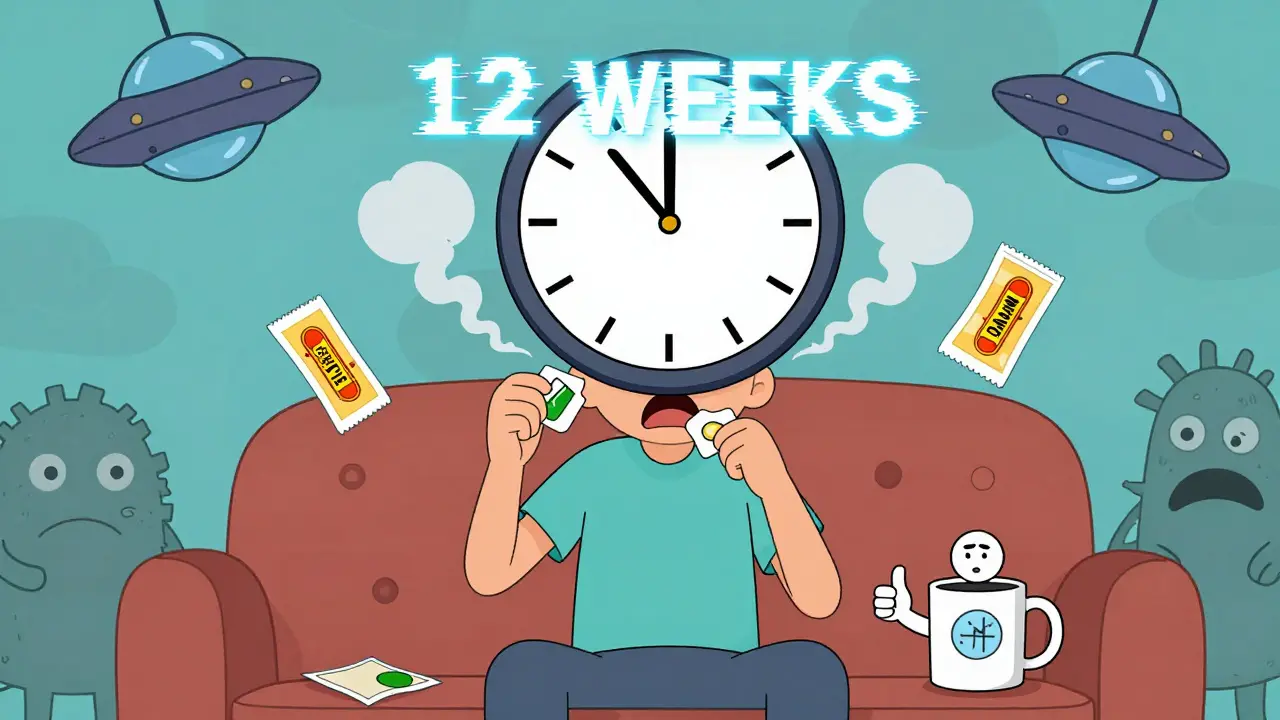
For varenicline: Start at 0.5 mg once a day for three days, then 0.5 mg twice a day for four days. Then move to 1 mg twice a day. Begin taking it 1 to 2 weeks before your quit date. Keep taking it for 12 weeks. If you’re doing well, your doctor might suggest another 12 weeks to lock in the change.
For NRT: If you smoke more than 10 cigarettes a day, start with the 21mg patch. Switch to 14mg after 4 weeks, then 7mg after another 4 weeks. Use gum or lozenges as needed-chew one when the craving hits. Don’t use more than 20 pieces of gum a day. The patch doesn’t stop cravings-it just reduces the background urge. Gum and lozenges handle the spikes.
For bupropion: Take 150 mg once a day for three days, then 150 mg twice a day. Don’t take both doses close together. Start one week before your quit date. Avoid alcohol while taking it-it can raise your seizure risk.
Most people quit because they stop too soon. Only 44% finish the full 12-week course. That’s a problem. The longer you stay on the medication, the more your brain rewires. Don’t stop just because you feel better. You’re not cured-you’re rebuilding.
Medication Alone Isn’t Enough
Here’s the truth: medication gives you a fighting chance. But counseling gives you the edge.
A 3-minute chat with your doctor increases your quit rate by 30%. Four or more sessions with a counselor? That boosts it even more. You don’t need months of therapy. Just someone to help you plan for triggers-like coffee, stress, or driving. What do you do when you’re at a party and everyone’s smoking? What do you do when you’re angry and your first instinct is to reach for a cigarette?
Behavioral strategies are simple but powerful:
- Change your routine. If you smoke after meals, go for a walk instead.
- Keep your hands busy. Chew gum, squeeze a stress ball, or fidget with a pen.
- Avoid triggers for the first 30 days. Don’t hang out with smokers. Don’t keep cigarettes around.
- Use apps. Quitline, Smokefree, and MyQuit Coach give daily tips and track progress.
And don’t underestimate support. Tell your friends you’re quitting. Ask them not to smoke around you. Join a group. Even a private Facebook group of people trying to quit can help you stay accountable.
Cost and Access
Cost is a real barrier. Varenicline costs about $500 for a 12-week course without insurance. Bupropion is cheap-$15 for a month. NRT patches run $45 for a week’s supply. That adds up fast.
But help exists. In the U.S., 68% of people with private insurance get full coverage for cessation meds. Medicaid coverage varies by state. In non-expansion states, only 29% of users get help. If you’re on Medicaid, call your state’s quitline. Many offer free NRT by mail.
Outside the U.S., things are different. In Australia, the Pharmaceutical Benefits Scheme (PBS) subsidizes varenicline and bupropion. You pay under $30 per script with a Medicare card. NRT is available over the counter but not subsidized.
There’s also cytisine-a cheaper, plant-based alternative to varenicline. It’s used in Eastern Europe and has shown similar results in recent studies. It’s not yet approved in the U.S., but it’s being reviewed.
What About the New Stuff?
In January 2023, the FDA approved a new 4mg nicotine lozenge called Nicotrol. It acts faster than older versions. If you’re still getting strong cravings, this could help.
Research is also looking at personalized quitting. Some people metabolize nicotine fast. Others slow. Fast metabolizers respond better to varenicline. Slow metabolizers do just as well with NRT. Blood tests to determine your metabolism aren’t routine yet-but they might be in the next few years.
Combination therapy is gaining ground. Taking varenicline with NRT can double your success rate compared to either alone. One study found users were nearly six times more likely to quit than those on placebo. But it’s not for everyone. It increases side effects. Talk to your doctor before combining.
What If You Slip Up?
Relapse isn’t failure. It’s data.
Most people try to quit multiple times before they succeed. The average is 3 to 5 attempts. If you smoke one cigarette, don’t throw in the towel. Ask yourself: What triggered it? Were you stressed? Were you around people who smoke? Did you skip your medication?
Go back to your plan. Restart your medication. Call your quitline. You’re not starting over-you’re learning.
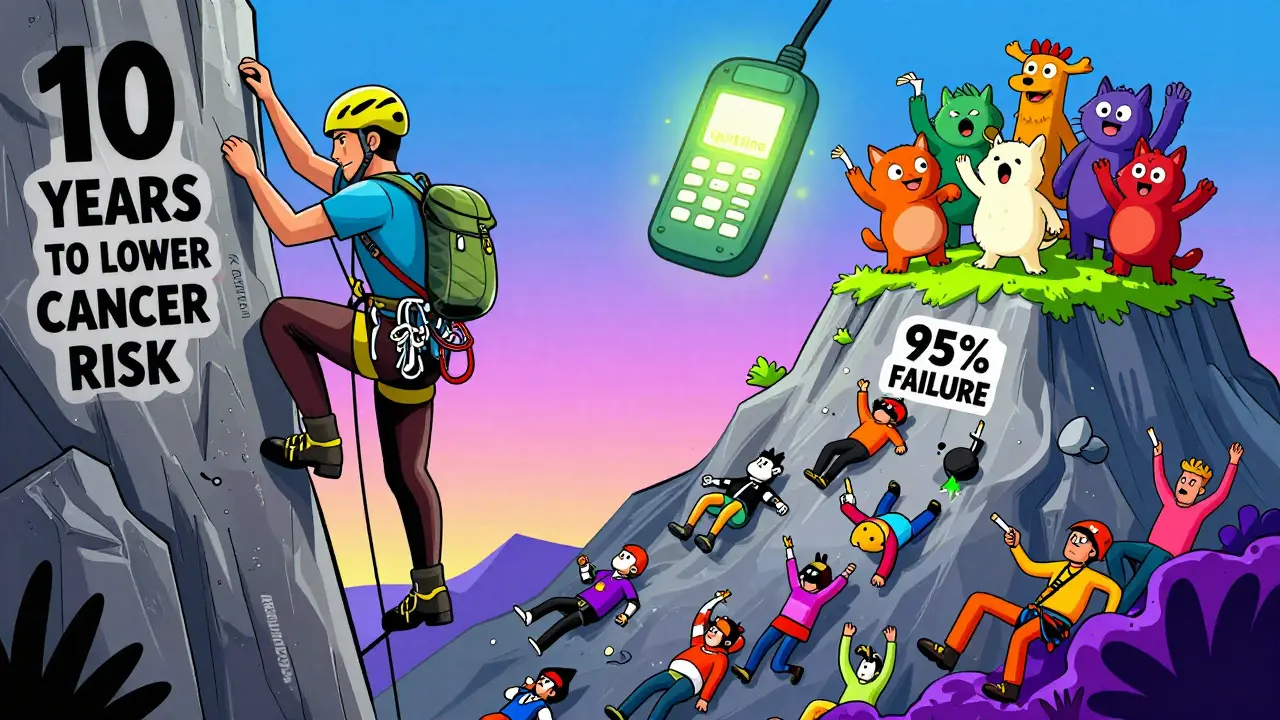
And remember: your body starts healing within hours. After 20 minutes, your heart rate drops. After 12 hours, carbon monoxide leaves your blood. After 1 year, your heart attack risk is cut in half. After 10 years, your lung cancer risk is half that of a smoker.
Final Thoughts
You don’t have to quit perfectly. You just have to quit for long enough to let your brain heal. Medication gives you the tools. Strategy gives you the plan. Support gives you the strength.
Varenicline is the most effective. But if it’s too much for you, NRT and bupropion still work. And if you’re using any of them, don’t skip the counseling. Even a short talk with a professional can be the difference between quitting for a week and quitting for life.
The goal isn’t to be perfect. It’s to be persistent. One day at a time. One craving at a time. You’ve already taken the hardest step-you’re looking for help. That’s courage.
What’s the most effective medication to quit smoking?
Varenicline (Chantix) is the most effective single medication for quitting smoking. Clinical trials show it leads to a 22% success rate at six months, compared to about 16% for bupropion and 15% for nicotine patches. It works by reducing cravings and blocking nicotine from binding to brain receptors. The American Thoracic Society recommends it as the top choice for most smokers.
Can I use nicotine patches and gum together?
Yes. Combining a nicotine patch with faster-acting NRT like gum or lozenges is one of the most effective ways to quit. The patch gives you steady nicotine levels to reduce overall withdrawal. The gum or lozenge handles sudden cravings. The CDC and U.S. Public Health Service both recommend this combo, especially for people who smoke more than 10 cigarettes a day.
Is varenicline safe if I have depression or anxiety?
Yes. Earlier concerns about varenicline causing mood changes were based on limited data. The landmark EAGLES study in 2016, which included over 8,000 people with psychiatric conditions, found no increase in depression, anxiety, or suicidal thoughts compared to placebo or other quit medications. The American Thoracic Society now recommends varenicline even for people with depression or anxiety.
How long should I take smoking cessation medication?
Most guidelines recommend 12 weeks of treatment. For varenicline and bupropion, that’s the standard course. For NRT, you usually taper off over 8 to 12 weeks. If you’re still smoke-free after 12 weeks, your doctor may suggest continuing for another 12 weeks to reduce relapse risk. Stopping too early is the #1 reason people go back to smoking.
What if I can’t afford quit medications?
Many options are low-cost or free. In the U.S., check if your insurance covers cessation meds-68% of private plans do. If you’re on Medicaid, call your state’s quitline; many send free NRT by mail. In Australia, PBS subsidizes varenicline and bupropion to under $30 per script with a Medicare card. Free apps like Quitline and Smokefree offer coaching and tracking at no cost.
Do e-cigarettes help people quit smoking?
Some people use e-cigarettes to quit, but they’re not approved as cessation tools by the FDA or major health groups. There’s no strong evidence they’re safer or more effective than proven medications like varenicline or NRT. Many users end up using both cigarettes and vapes long-term. If you’re trying to quit, stick with medications and counseling that have been tested in large, controlled studies.
Comments
Adarsh Uttral
January 29, 2026 AT 18:25Amy Insalaco
January 30, 2026 AT 13:14Natasha Plebani
January 31, 2026 AT 14:30calanha nevin
February 1, 2026 AT 15:39Lisa McCluskey
February 3, 2026 AT 07:31Russ Kelemen
February 3, 2026 AT 12:45Diksha Srivastava
February 4, 2026 AT 10:20Sidhanth SY
February 6, 2026 AT 01:25April Allen
February 6, 2026 AT 02:19