
SafeMeds4All: Your Trusted Pharmaceutical Guide - Page 4
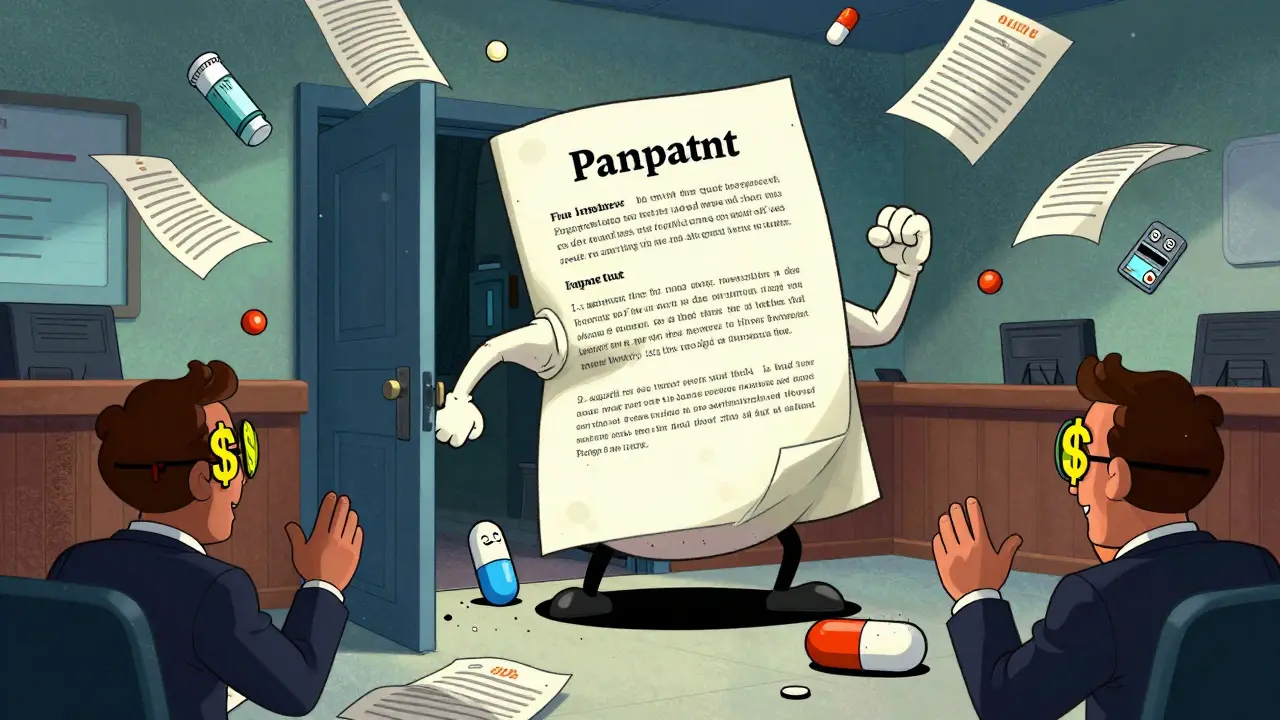
Litigation in Generic Markets: How Patent Disputes Delay Affordable Medicines
Patent disputes in the generic drug market delay affordable medicines by years. Learn how Orange Book listings, serial litigation, and pay-for-delay settlements impact access and costs.
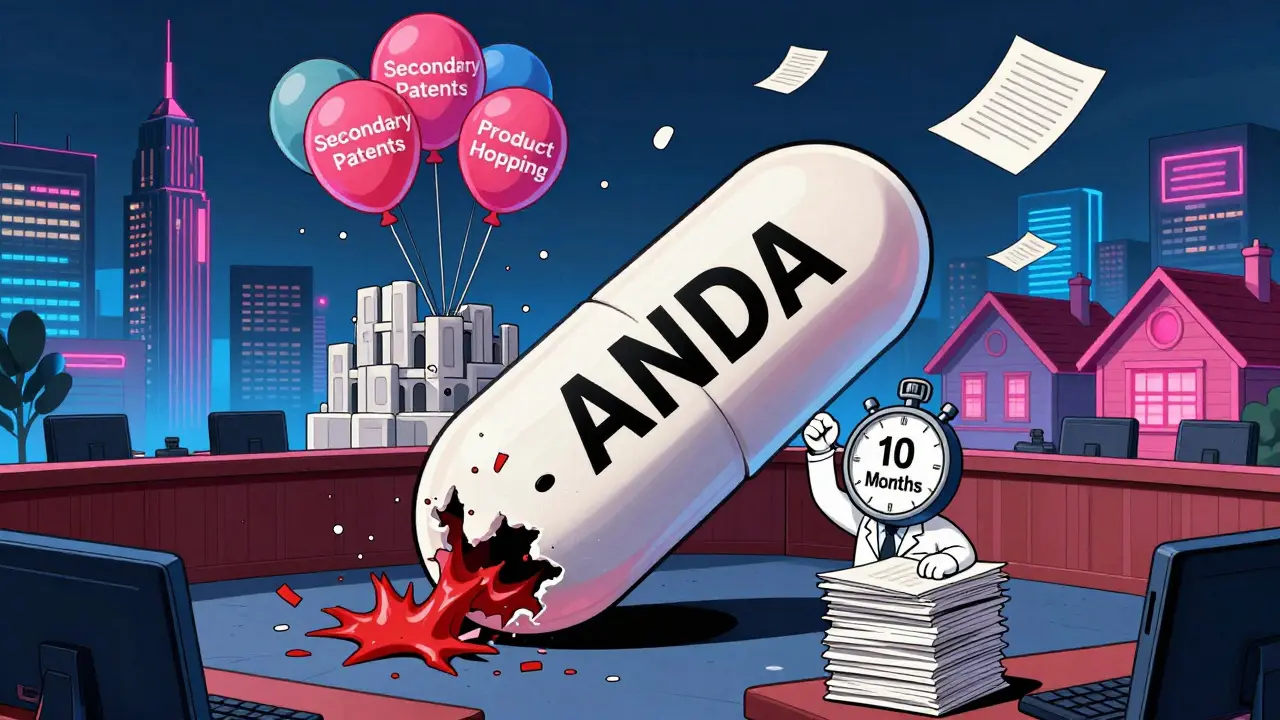
Hatch-Waxman Act: How It Shaped Generic Drug Access in the U.S.
The Hatch-Waxman Act created the modern system for generic drug approval in the U.S., balancing innovation incentives with affordable access. It cut drug costs by billions but also opened the door to patent abuse and legal delays.

Mirtazapine and Weight Gain: What You Need to Know About This Common Side Effect
Mirtazapine often causes weight gain due to its effect on appetite and metabolism. Learn why it happens, how much weight people typically gain, and what you can do to manage it without stopping the medication.
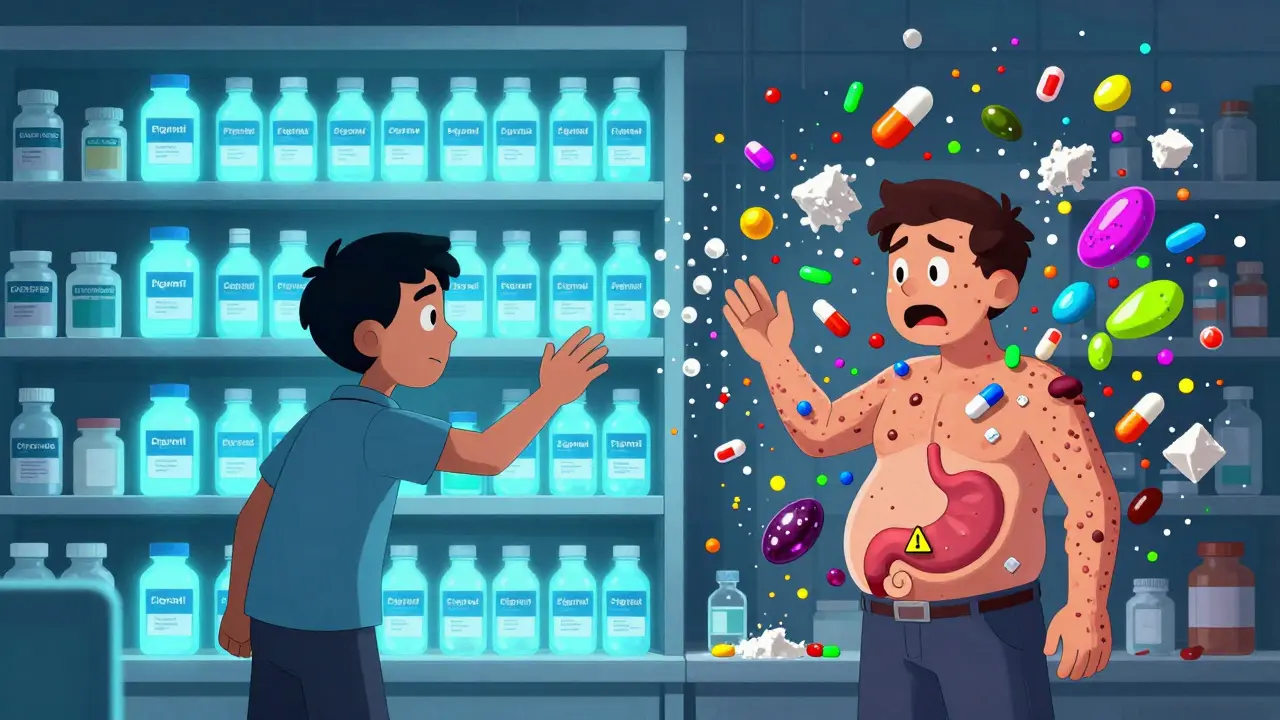
Alternative Medication Classes: Different Drugs, Different Side Effects
Different types of medications - prescription, OTC, and herbal - come with different side effects and risks. Learn how to spot dangerous interactions, why generics aren't always interchangeable, and what to watch for when switching meds.
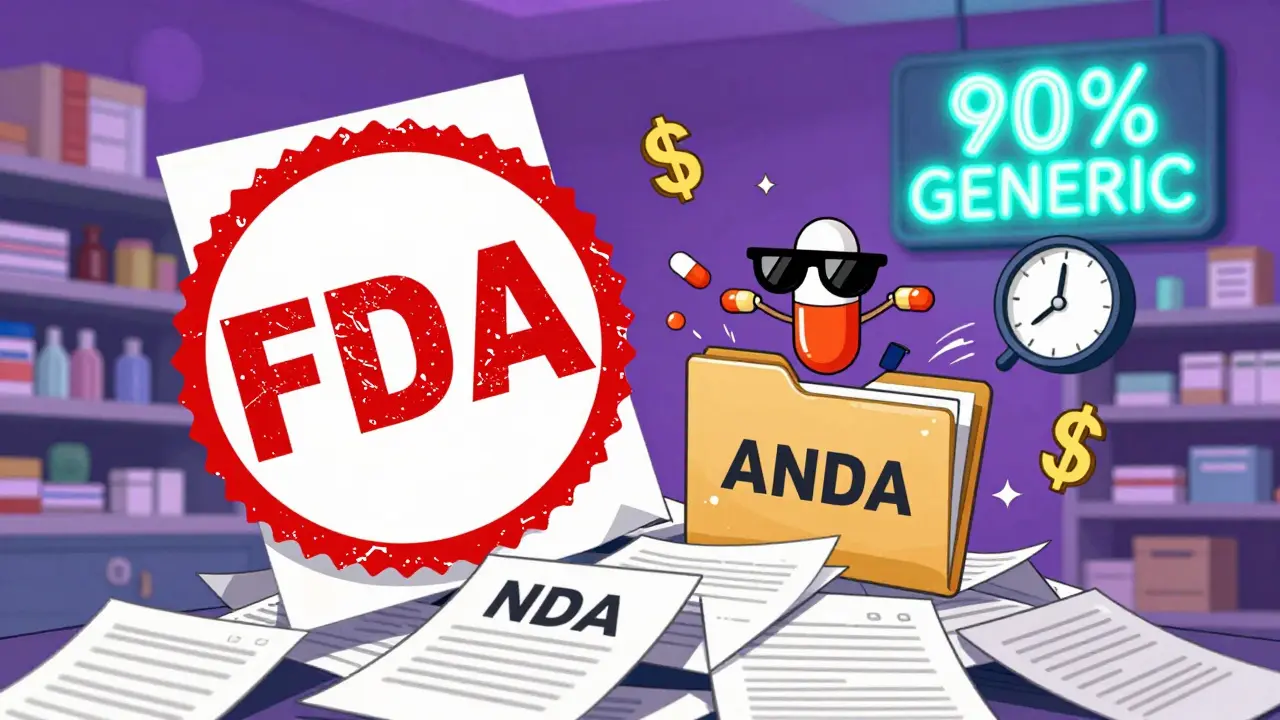
What is an ANDA? The Complete Guide to Abbreviated New Drug Applications
An ANDA is the FDA pathway that allows generic drugs to enter the market without repeating costly clinical trials. It's the reason 90% of U.S. prescriptions are filled with affordable generics, saving billions annually.
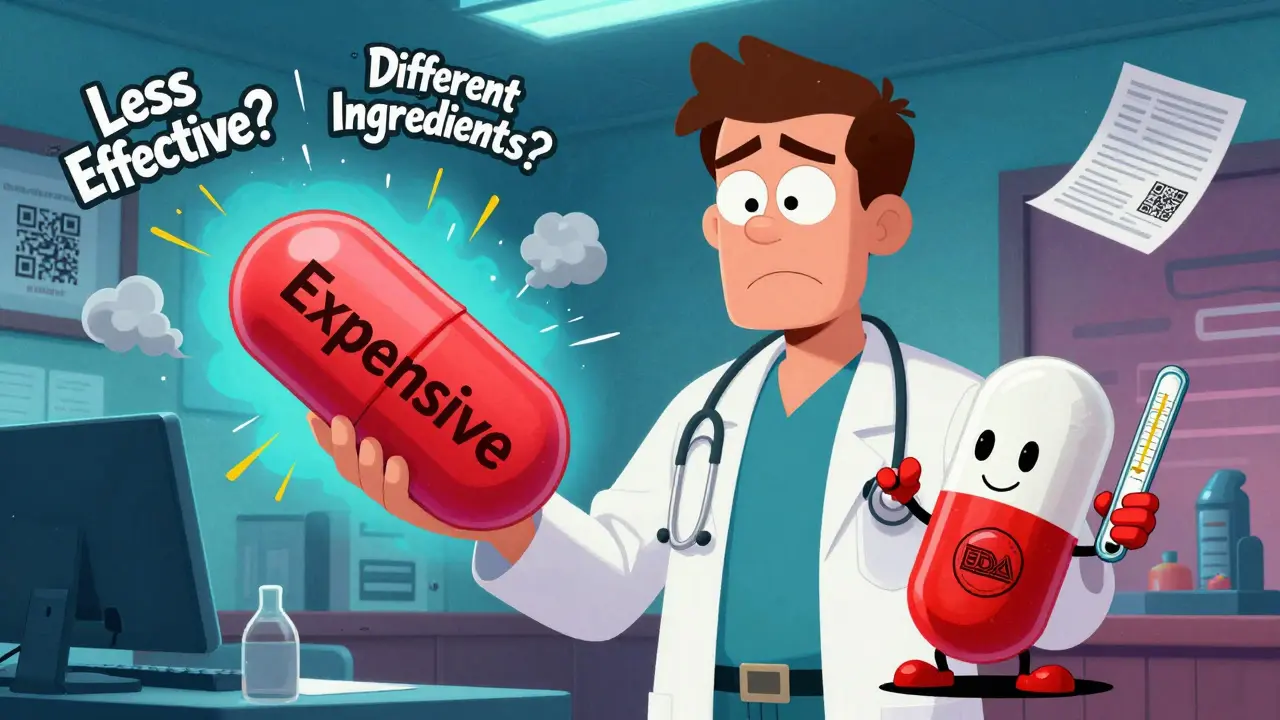
Prescriber Education Resources: Guides for Doctors on Generics
Evidence-based guides for doctors on prescribing generic medications, covering FDA standards, patient communication, cost savings, and practical tools to overcome skepticism and improve adherence.
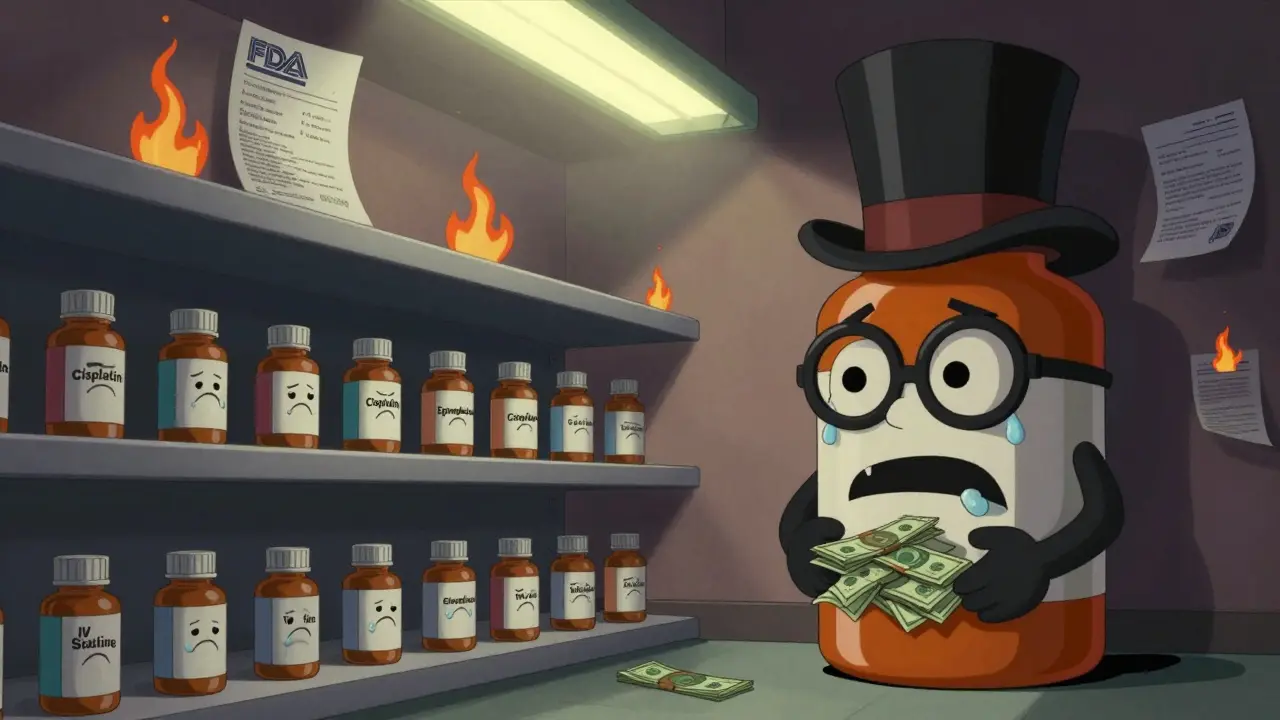
Supply Chain Problems: Distribution Risks for Generic Drugs
Generic drug shortages are at record levels due to thin profit margins, overseas manufacturing reliance, and lack of supply chain redundancy. This article explains why life-saving medications keep disappearing - and what can actually be done about it.
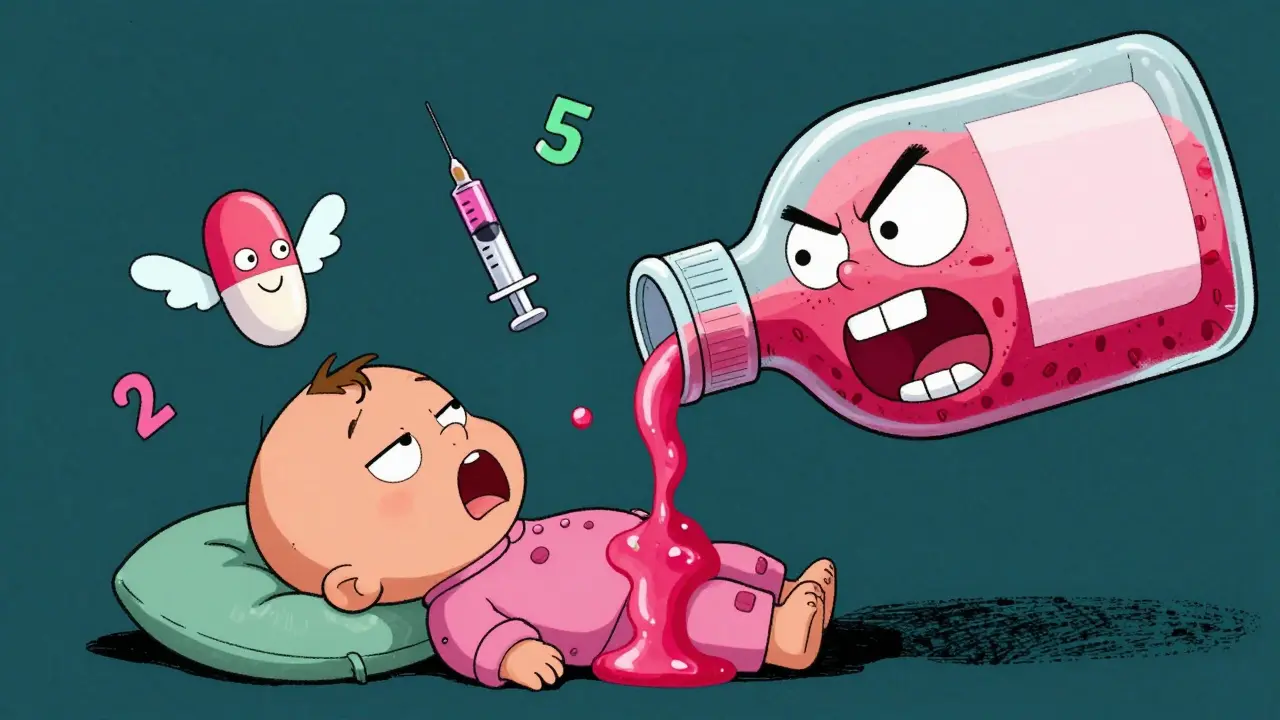
Liquid vs. Tablet Medications for Children: What to Choose
Choosing between liquid and tablet medications for children isn't just about ease-it's about safety, accuracy, and long-term health. Learn when each form is best and how to make the switch safely.
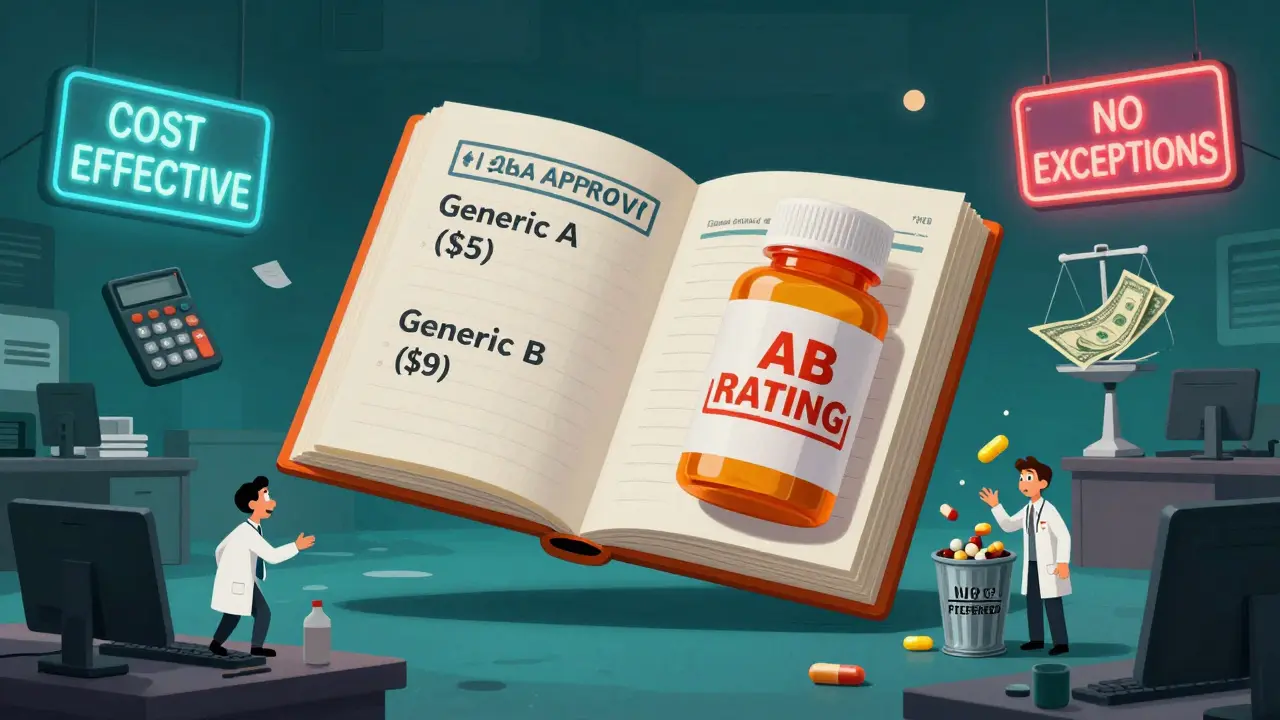
How Insurers Choose Which Generics to Cover: The Real Rules Behind Formulary Decisions
Insurers cover generics based on FDA approval, clinical effectiveness, and cost. Most place them in the lowest cost tier, but not all generics are treated equally. Learn how formularies work and what to do if yours isn't covered.
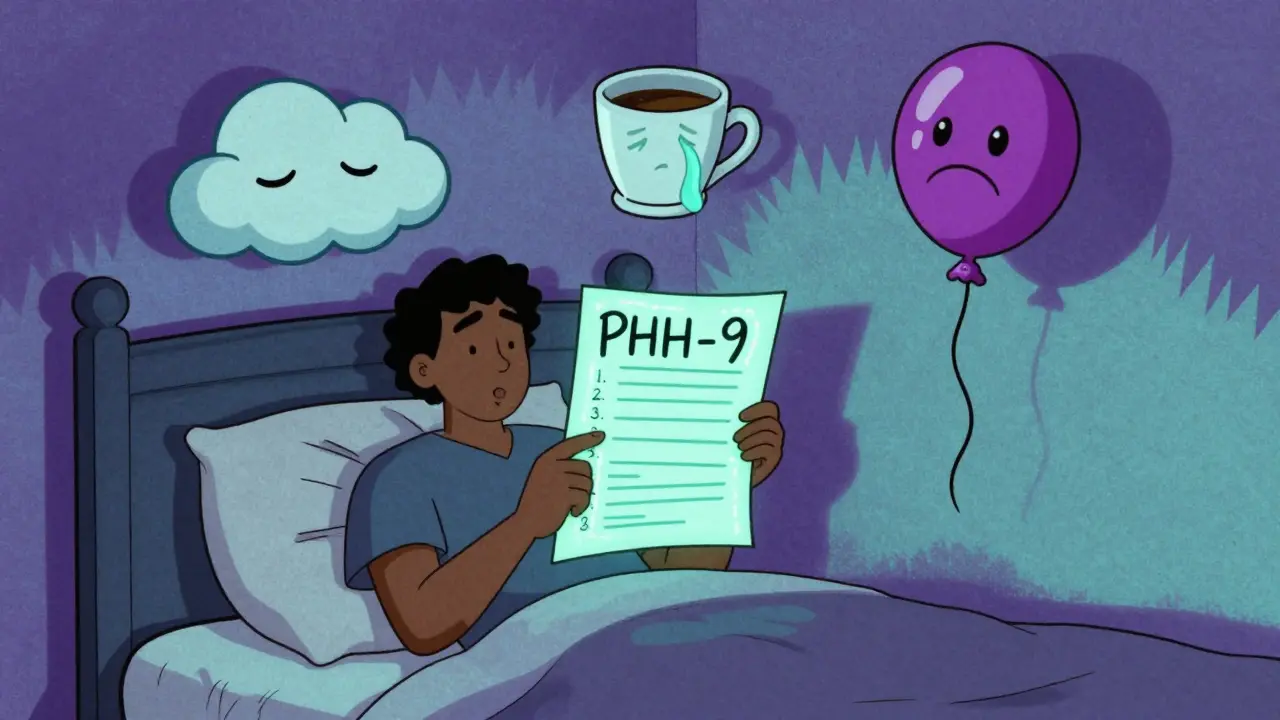
How to Monitor Antidepressant Effectiveness and Manage Side Effects: Practical Patient Strategies
Learn how to track antidepressant effectiveness and manage side effects using simple tools like PHQ-9, daily mood logs, and side effect checklists. Real strategies that work.