
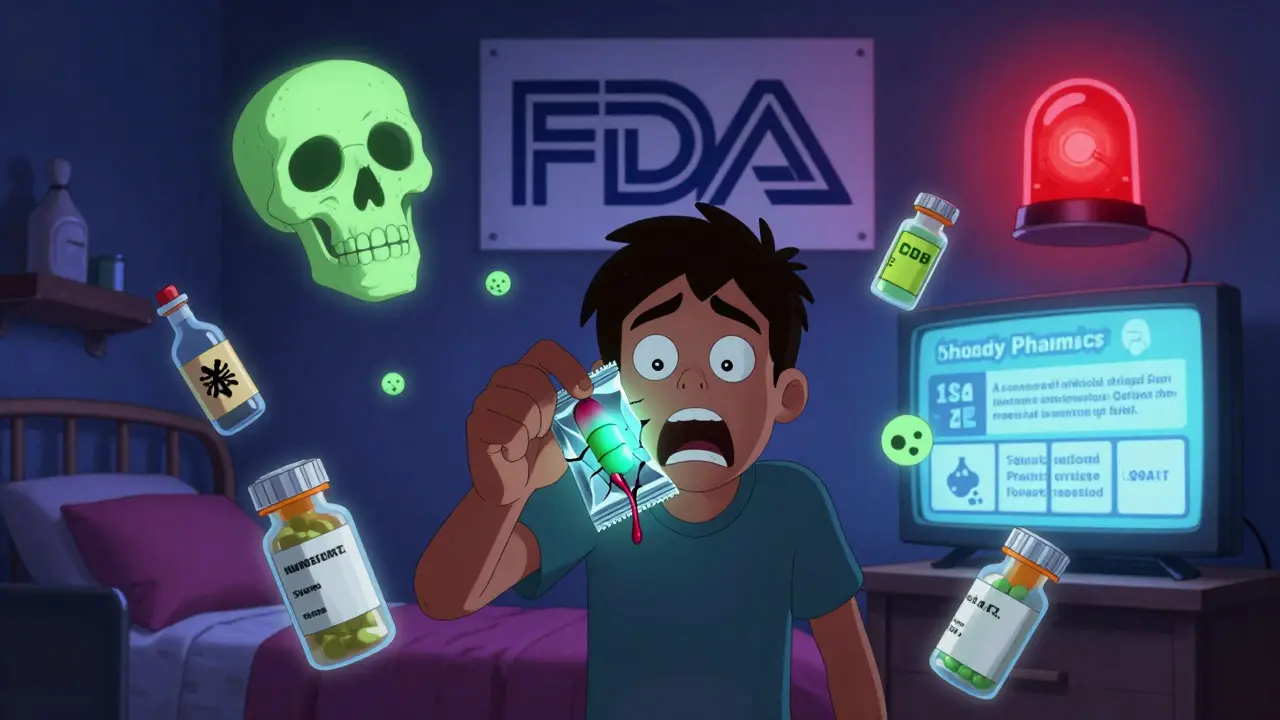
Finding a pill that looks wrong-wrong color, weird markings, or packaging that doesn’t match what you’re used to-can be terrifying. You might think it’s just a bad batch. But if you’ve ever wondered whether the medicine you took could be fake, you’re not alone. In 2022, the FDA intercepted over 1.2 million counterfeit pills at U.S. ports alone. Many of these fake drugs contain deadly substances like fentanyl, rat poison, or no active ingredient at all. Reporting them isn’t just helpful-it can save lives.
Why reporting counterfeit drugs matters
Counterfeit drugs aren’t just scams. They’re public health emergencies. The World Health Organization estimates that in some countries, up to 30% of medicines sold are fake. Even in places like the U.S. and Australia, where regulation is strong, the problem is growing. Online pharmacies that don’t require prescriptions now make up the majority of counterfeit drug sales. In 2022, 96% of online pharmacies reviewed by the National Association of Boards of Pharmacy were operating illegally.These fake drugs don’t just fail to treat your condition-they can kill you. In 2021, counterfeit erectile dysfunction pills laced with fentanyl were linked to over 1,000 overdose deaths in the U.S. Fake antibiotics contribute to drug-resistant infections. Fake insulin can send diabetics into life-threatening comas. Every report you file helps authorities track where these drugs come from, shut down criminal networks, and prevent others from being poisoned.
What to do if you suspect a counterfeit drug
If you think a medicine you bought is fake, don’t throw it away. Don’t take more of it. Don’t assume it’s just a one-off mistake. Here’s what to do right away:- Stop using the medicine. Even if you feel fine, the next dose could be dangerous.
- Preserve the packaging and the pills. Don’t wash, crush, or dispose of them. Keep the bottle, blister pack, instructions, and receipt. This is the most important step-evidence is what triggers an investigation.
- Check for red flags. Common signs of fake drugs: misspelled words on the label, blurry printing, missing lot or expiration numbers, pills that are cracked, discolored, or smell odd, packaging that’s loose or doesn’t seal properly. The FDA found that 87% of counterfeit drugs have packaging inconsistencies.
- Call your doctor or pharmacist. If you’ve taken the drug and feel unwell, get medical help immediately. Even if you feel fine, they can help you document what you took and advise next steps.
How to report counterfeit drugs in the U.S.
In the United States, the FDA handles most counterfeit drug reports through two main channels, depending on what you’re reporting.For consumers reporting side effects or suspicious products: Use the MedWatch program. This is the easiest and fastest way for most people. Go to www.fda.gov/medwatch and fill out Form 3500 online. You’ll need:
- Drug name and strength
- Lot number and National Drug Code (NDC)
- Where you bought it (online store, pharmacy name, etc.)
- Physical description of the product and packaging
- Any symptoms or side effects you experienced
Most electronic submissions get an automated confirmation within 72 hours. The FDA processed over 100,000 adverse event reports in 2022, and counterfeit drug reports are rising fast. If you don’t have internet access, call 1-800-FDA-1088. They’ll take your report over the phone.
For evidence of criminal activity or large-scale distribution: If you believe this is part of a larger operation-like a website selling thousands of fake pills, or a person selling them door-to-door-report it to the FDA’s Office of Criminal Investigations (OCI). This is for cases where you suspect organized crime. Use their secure portal at www.fda.gov/oci. You’ll need more detail here: dates, locations, photos of packaging, names of sellers if known. The OCI responded to 1,842 counterfeit drug cases in 2022 and helped convict 187 people.
What if you bought the drug online?
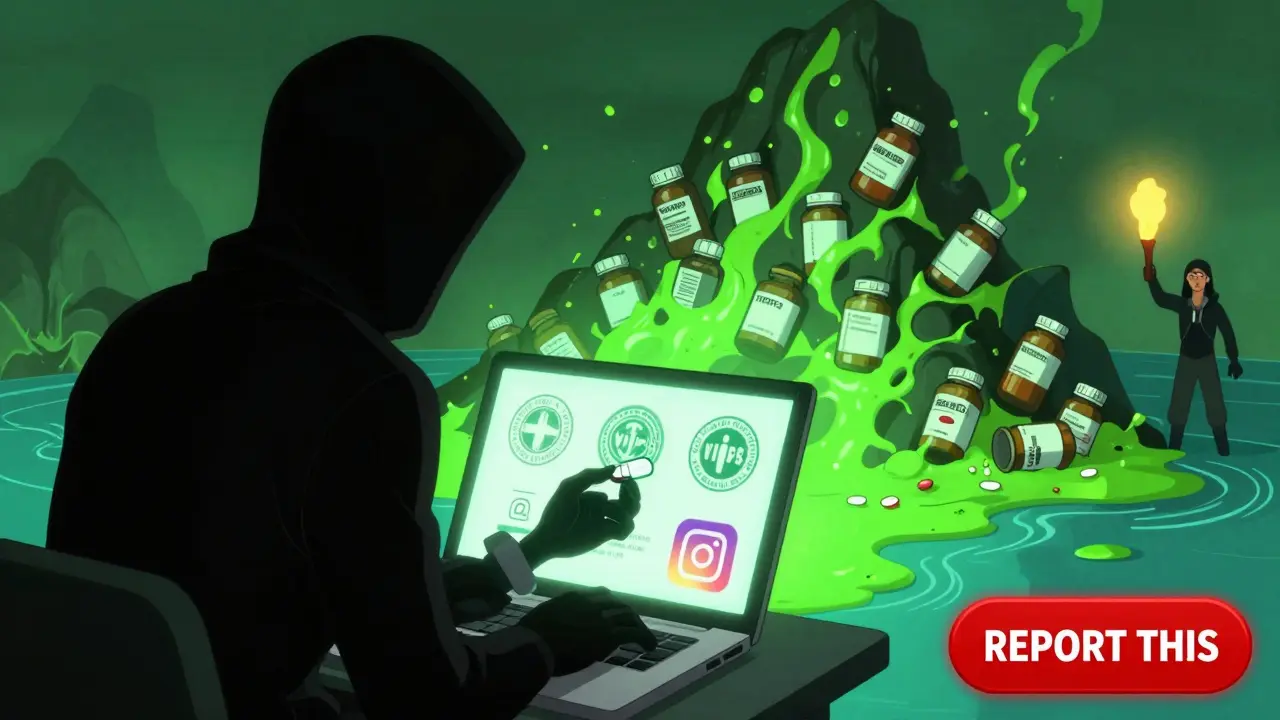
Most counterfeit drugs come from fake websites that look real. They use logos of big pharmacies, fake reviews, and even fake licenses. If you bought from an online pharmacy:- Check if it’s VIPPS-certified (Verified Internet Pharmacy Practice Sites). Legit U.S. pharmacies have this seal.
- Did they ask for a prescription? If not, it’s illegal.
- Was the price way too low? Fake drugs are often sold at half the price of real ones.
Report the website to the FDA and also to the National Association of Boards of Pharmacy (NABP) at www.nabp.pharmacy. They track illegal online pharmacies and shut them down. In 2022, INTERPOL took down over 113,000 fake pharmacy websites in one operation alone.
Reporting in other countries
If you’re outside the U.S., you still have options. The World Health Organization runs a global reporting system for substandard and falsified medicines. You can submit a report at who.int/falsifiedmeds. They accept reports in 27 languages and work with national regulators worldwide.In Australia, report to the Therapeutic Goods Administration (TGA) through their online form at www.tga.gov.au. In the UK, use the Yellow Card Scheme at yellowcard.mhra.gov.uk. In Canada, contact Health Canada’s Adverse Reaction Reporting system.
If you’re unsure where to report, contact the Pharmaceutical Security Institute (PSI). They’re a global nonprofit that coordinates between regulators and manufacturers. You can email them at [email protected]. They’ve tracked over 9,800 counterfeit incidents since 1991 and can point you to the right agency.
What happens after you report?
Many people worry their report won’t lead to anything. But here’s the truth: your report matters.The FDA says reports with full product details-especially lot numbers and photos-are 63% more likely to lead to an investigation. In one case, a pharmacist in Ohio reported counterfeit insulin with the lot number clearly visible. That single report helped trace the entire supply chain back to a warehouse in China, leading to a federal raid and seizure of over 10,000 fake vials.
But don’t expect instant results. Investigations take time. The FDA’s average response time for a MedWatch report is 72 hours for acknowledgment, but full investigations can take weeks. If you don’t hear back after 10 business days, call the FDA Drug Information Line at 855-543-3784. Ask for an update and give them your case reference number if you have one.
Don’t be discouraged if you don’t see headlines about your report. Most cases are quiet-no arrests, no press releases. But behind the scenes, your report added data to a growing database. That data helps regulators spot patterns, target smuggling routes, and eventually shut down operations.
How to avoid counterfeit drugs in the future
Prevention is just as important as reporting. Here’s how to protect yourself:- Only buy prescription drugs from licensed pharmacies. If you’re buying online, make sure it requires a prescription and is listed on the NABP’s VIPPS directory.
- Never buy drugs from social media ads, Instagram sellers, or websites offering “miracle cures” at unbelievable prices.
- Check your pills against the FDA’s online database at www.accessdata.fda.gov/scripts/cder/daf. You can search by NDC number to verify the drug’s appearance and manufacturer.
- Ask your pharmacist to verify the source of your medication. Many pharmacists now check the supply chain before dispensing.
- Be wary of changes in pill appearance. If your prescription suddenly looks different, ask your pharmacist why.
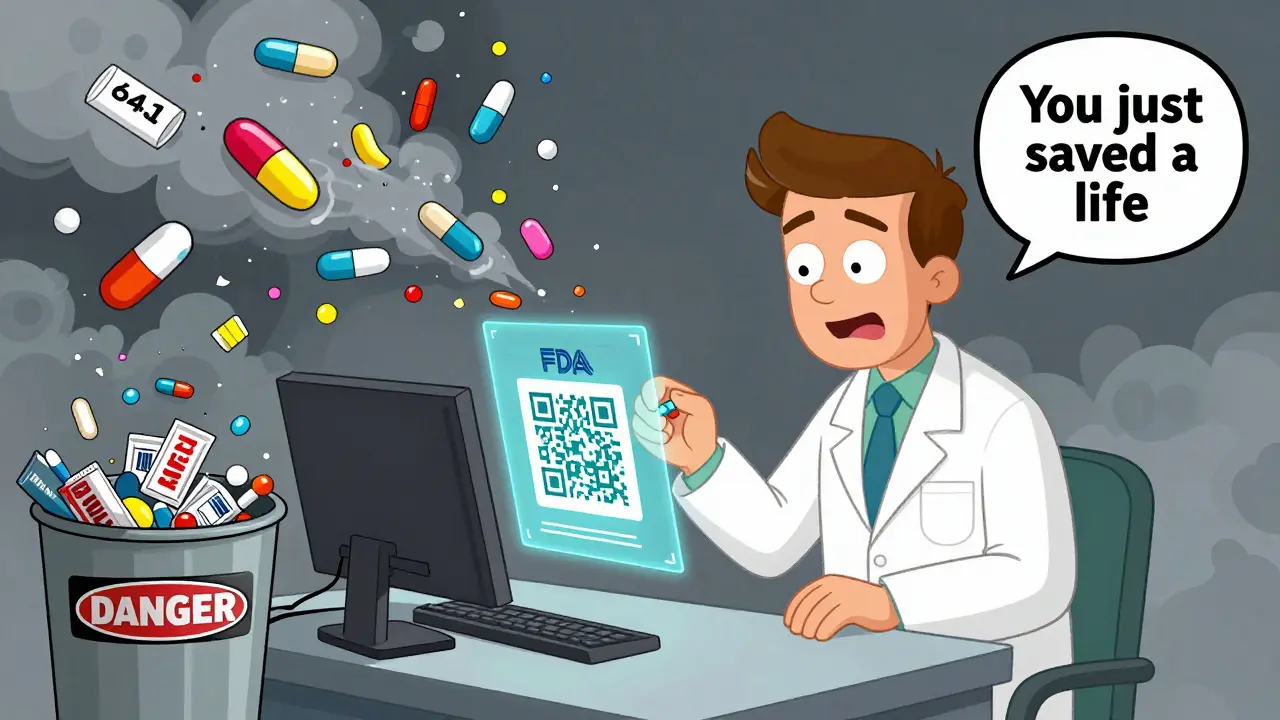
Some manufacturers are now putting QR codes on packaging that link to authentication pages. Pfizer, Merck, and others are testing this system. In 2023, the FDA began piloting this technology. Soon, you’ll be able to scan a code on your medicine bottle and instantly verify its authenticity.
Frequently Asked Questions
What if I don’t have the original packaging?
You can still report the drug. Provide as much detail as possible: the name, strength, where you bought it, and when. If you have a photo of the pill or a receipt, include that. Even without packaging, your report helps authorities identify trends and common fake products.
Can I report a counterfeit drug if I didn’t have any side effects?
Yes. Many counterfeit drugs don’t cause immediate reactions-they just don’t work. That’s still dangerous. If you’re taking fake insulin, blood pressure meds, or antibiotics, you could be putting your health at serious risk without realizing it. Reporting suspicious products-even if you feel fine-helps prevent others from being harmed.
Is it safe to report anonymously?
Yes. You can file a report with the FDA or WHO without giving your name. But providing your contact information helps them follow up if they need more details. If you’re worried about retaliation, you can ask them not to share your info with the pharmacy or manufacturer.
What if I bought the drug from a foreign website?
Report it to your country’s health authority and to the FDA if you’re in the U.S. Many counterfeit drugs enter the U.S. through international mail. The FDA works with customs and global agencies to track these shipments. Your report helps them build cases against overseas suppliers.
Can I report a fake drug I found in my medicine cabinet that I never used?
Absolutely. Many people find counterfeit drugs after receiving them as gifts, from family members, or from old prescriptions. Even unused fake drugs are dangerous and should be reported. Dispose of them safely through a drug take-back program or pharmacy, but don’t throw them in the trash until after you’ve reported them.
Next steps: What you can do today
If you’ve ever bought medicine online without a prescription, take five minutes to check your medicine cabinet. Look at the pills. Check the packaging. Compare it to the official description on the FDA’s website. If anything seems off, report it. You don’t need to be a doctor or a pharmacist. You just need to care enough to act.Counterfeit drugs thrive in silence. They disappear when people speak up. Your report could be the one that stops the next fatal overdose. It could help shut down a network that’s been poisoning people for years. Don’t wait for someone else to do it. Do it now.
Comments
Lisa Cozad
January 10, 2026 AT 14:16I found a bottle of generic Adderall last year that looked totally off-the pills were a weird shade of yellow and the letters on them were smudged. I didn’t take any, but I snapped a pic and filed a MedWatch report. Got an auto-reply in 48 hours. Didn’t hear back again, but now I check every prescription I get. Better safe than sorry.
Also, my pharmacist started showing me the FDA’s drug database before handing anything over. Wild how easy that is to do.
Just sayin’-if you’re not checking, you’re gambling with your life.
Saumya Roy Chaudhuri
January 10, 2026 AT 23:37Oh my god, this is so important. In India, 30% of medicines are fake-I’ve seen it with my own eyes. Last month, my uncle bought ‘Viagra’ from a street vendor for 200 rupees. He ended up in the ER with kidney failure. The pills had no active ingredient, just chalk and dye. The packaging looked like the real thing-until you held it under a flashlight.
People think it’s ‘cheap medicine’-it’s not. It’s poison wrapped in branding. Report everything. Even if you think it’s ‘just one pill.’
WHO’s system works. I’ve submitted 3 reports myself. They replied in Hindi. Felt good.
Ian Cheung
January 12, 2026 AT 05:31Man, I used to think fake meds were some far-off problem-like something that happened in shady overseas markets. Then I bought a bottle of OTC painkillers off Amazon because it was 70% off. The bottle looked legit, but the pills? Smelled like burnt plastic. Took one out, rolled it between my fingers-it crumbled. I called the FDA. They were chill, asked for pics, gave me a case number.
Turns out it was part of a batch tied to a warehouse in Florida that was repackaging expired stuff. They shut it down two weeks later.
Don’t be the guy who says ‘it’s probably fine.’ It’s never fine. Your gut knows. Trust it. And report. Even if you’re just being paranoid. Paranoia saves lives.
anthony martinez
January 13, 2026 AT 00:04Wow. A whole article about reporting fake drugs like it’s some heroic civic duty. Meanwhile, half the people in this country are still buying Adderall off Instagram and calling it ‘study aid.’
Yeah sure, report it. But the real problem is the culture that makes people think it’s okay to self-medicate with unregulated crap. You don’t need a government form to stop buying from sketchy websites. You need a brain.
Also, the FDA gets 100k reports a year. How many convictions? 187? That’s not a system. That’s a graveyard of paperwork.
Mario Bros
January 14, 2026 AT 20:43THIS. This right here. I’ve been telling my grandma this for years. She buys all her meds from that ‘discount pharmacy’ online because it’s ‘cheaper.’ Last week she almost passed out from fake blood pressure pills. I took her to the ER, saved the bottle, and filed the report with her. She was scared to do it-thought they’d come after her.
They didn’t. They thanked her.
So if you’re hesitating? Just do it. It’s not about blame. It’s about stopping the next person from getting hurt. You’re not a snitch-you’re a lifesaver. 💪
Jake Nunez
January 16, 2026 AT 20:12As someone who grew up in Nigeria, I’ve seen fake antibiotics kill people. Not because they were expensive-but because they were the only thing available. We didn’t have access to real meds, so we took whatever was sold as ‘penicillin’ in a plastic bag.
That’s why reporting matters even more in places where the system’s broken. Your report isn’t just data-it’s a lifeline for someone who can’t afford to be wrong.
And yes, I’ve reported fake malaria pills from Amazon to the WHO. They responded. Took six months. But they did.
Don’t underestimate the power of your voice. Even if you’re halfway across the world, your report echoes.
Christine Milne
January 18, 2026 AT 08:46While I appreciate the well-intentioned nature of this article, it is fundamentally flawed in its premise. The FDA’s MedWatch program is an administrative farce, a bureaucratic performance designed to make the public feel involved while doing nothing to address systemic regulatory failure. The fact that 96% of online pharmacies are illegal is not a ‘growing problem’-it is the direct consequence of deregulation, privatization, and the commodification of healthcare.
Reporting fake drugs is a distraction. What we need is universal healthcare, mandatory prescription verification, and the dismantling of pharmaceutical monopolies-not a form you fill out while sipping your latte.
And yes, I have submitted reports. I have also filed FOIA requests. The results are equally pathetic. This is not a public safety issue. It is a political one.
Bradford Beardall
January 19, 2026 AT 10:24So I just checked my blood pressure meds using the FDA’s database. The pill looks right. The NDC matches. But the bottle? The cap has a tiny crack. Never noticed it before.
I called my pharmacist. She said, ‘Oh, that’s from the new batch-they switched suppliers last month.’ I asked if she verified the supplier. She paused. Then said, ‘I’ll check.’
That’s the thing-most people don’t even think to ask. We assume the system’s working. But it’s not. It’s a chain of trust, and every link is only as strong as the person who checks it.
So I’m reporting it. Not because I feel sick. Because I’m tired of assuming.
McCarthy Halverson
January 21, 2026 AT 04:49Save the pills. Take pics. Report it. That’s it.
Don’t overthink it. Don’t wait for symptoms. Don’t worry if you’re not ‘qualified.’ You’re the first line of defense.
One report can start a chain. Just do it.
Ted Conerly
January 22, 2026 AT 02:15Just wanted to add something real quick-my buddy’s mom got fake insulin from a ‘discount pharmacy’ in Mexico. She didn’t know until her glucose crashed. She’s fine now, but she’s terrified to ever buy meds online again.
So I helped her report it. We sent the bottle, the receipt, even the box it came in. The FDA called her back a week later. They said they’d traced it to a shipping container in Texas.
Turns out, it wasn’t just her. They found 37 other people who bought the same batch.
So yeah. It matters. More than you think. Keep your eyes open. And if something feels off? Don’t just toss it. Report it. You’re not being dramatic. You’re being smart.