
Author: Brian Smith - Page 4
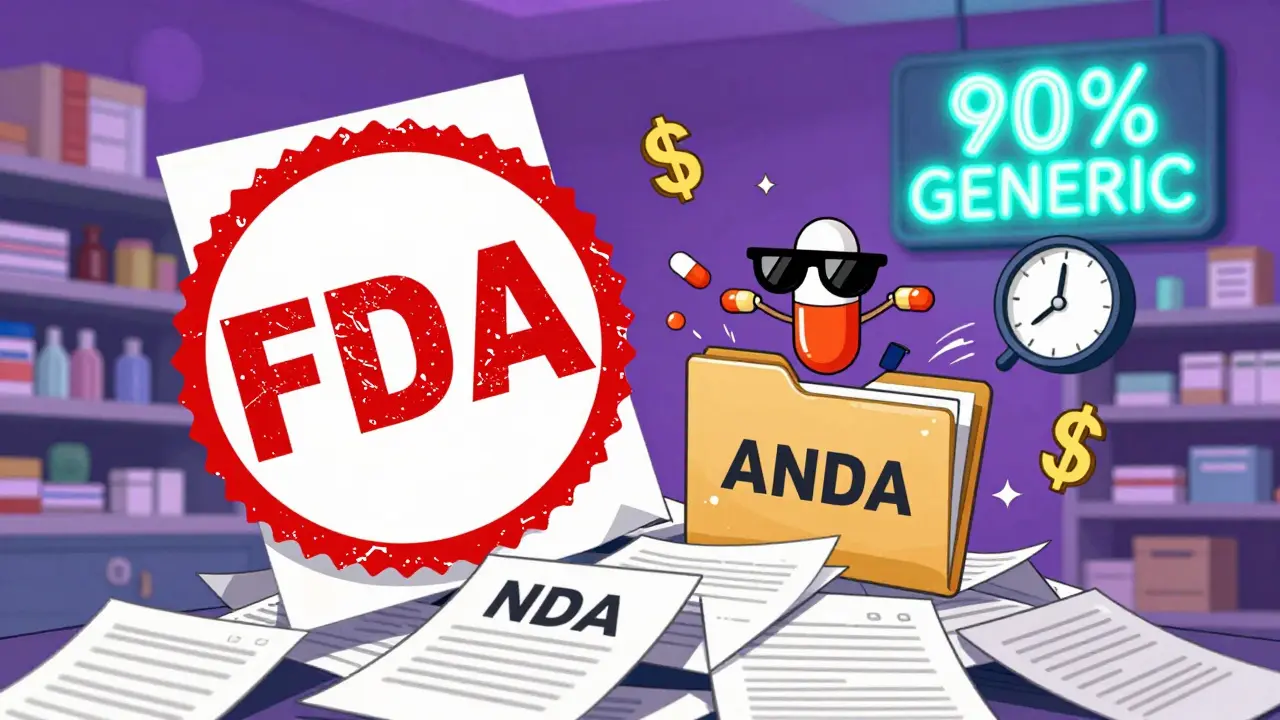
What is an ANDA? The Complete Guide to Abbreviated New Drug Applications
An ANDA is the FDA pathway that allows generic drugs to enter the market without repeating costly clinical trials. It's the reason 90% of U.S. prescriptions are filled with affordable generics, saving billions annually.
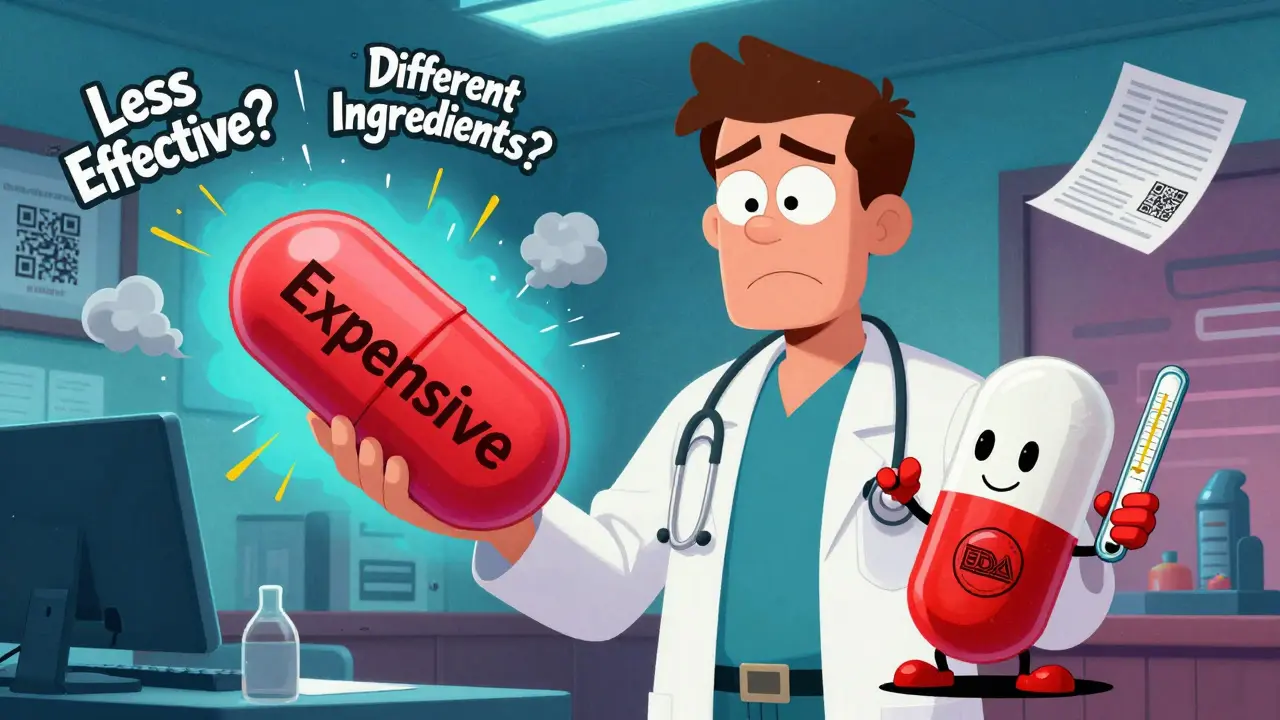
Prescriber Education Resources: Guides for Doctors on Generics
Evidence-based guides for doctors on prescribing generic medications, covering FDA standards, patient communication, cost savings, and practical tools to overcome skepticism and improve adherence.
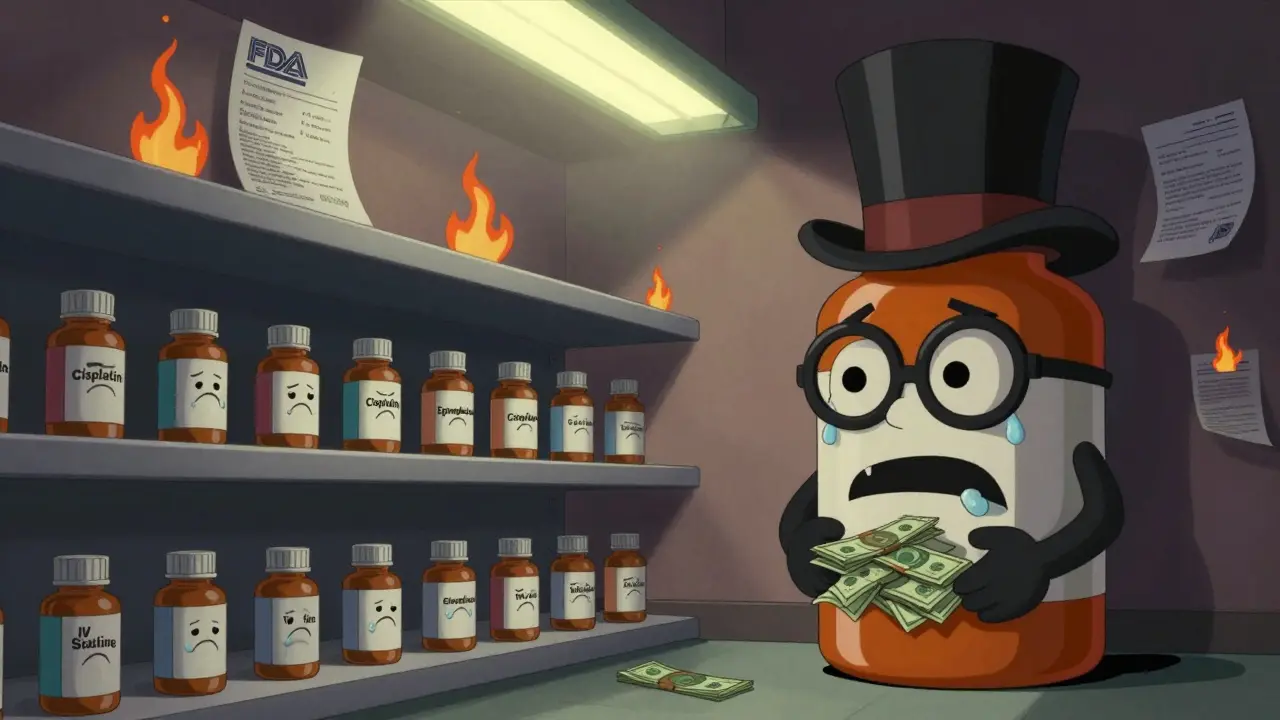
Supply Chain Problems: Distribution Risks for Generic Drugs
Generic drug shortages are at record levels due to thin profit margins, overseas manufacturing reliance, and lack of supply chain redundancy. This article explains why life-saving medications keep disappearing - and what can actually be done about it.
Liquid vs. Tablet Medications for Children: What to Choose
Choosing between liquid and tablet medications for children isn't just about ease-it's about safety, accuracy, and long-term health. Learn when each form is best and how to make the switch safely.
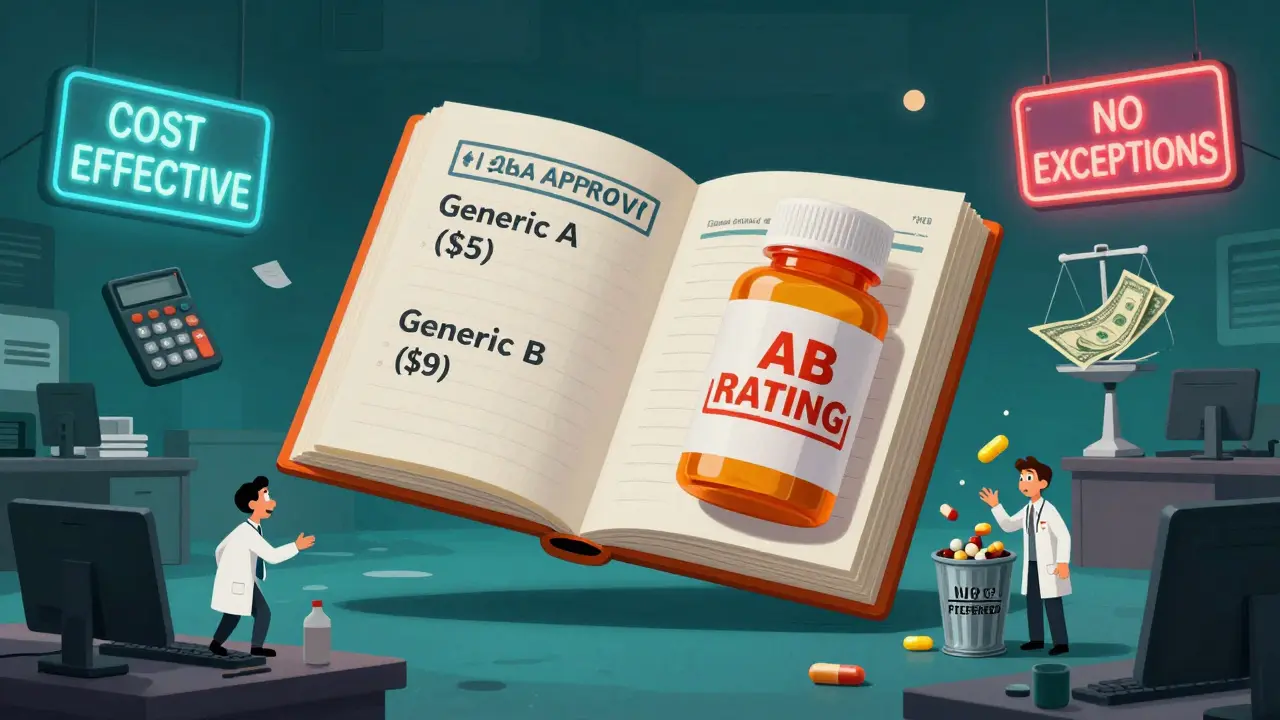
How Insurers Choose Which Generics to Cover: The Real Rules Behind Formulary Decisions
Insurers cover generics based on FDA approval, clinical effectiveness, and cost. Most place them in the lowest cost tier, but not all generics are treated equally. Learn how formularies work and what to do if yours isn't covered.
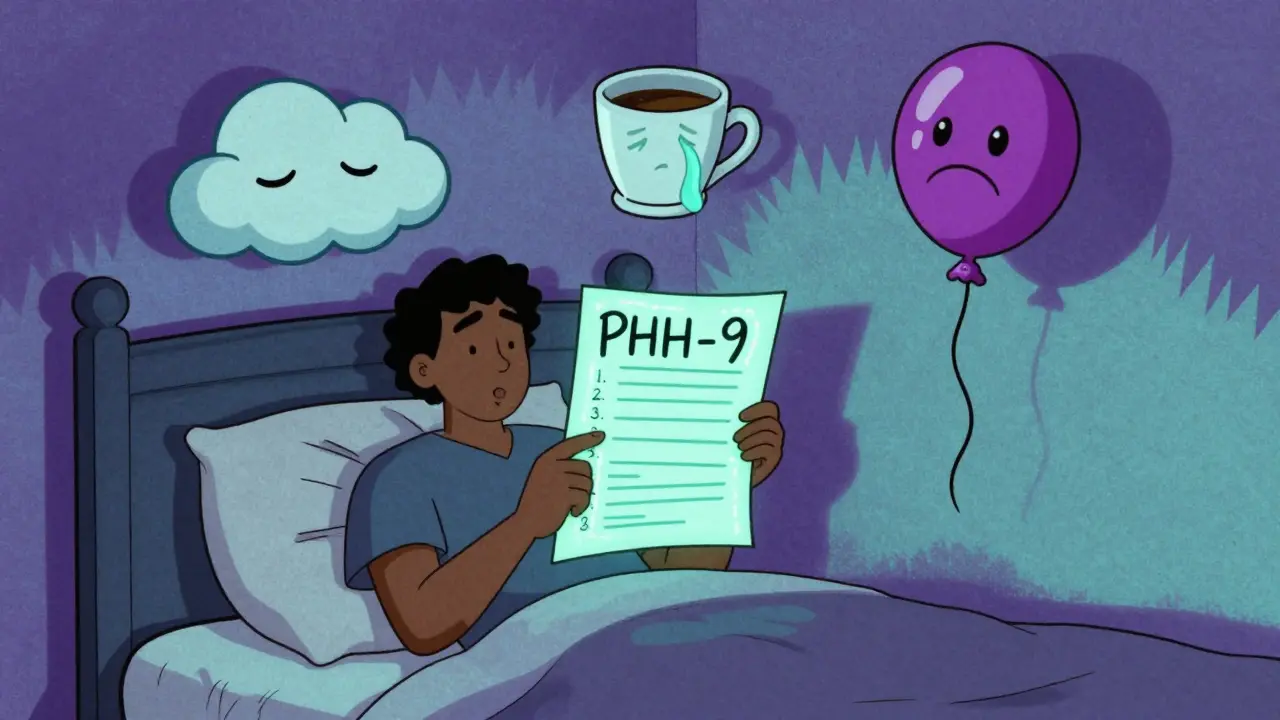
How to Monitor Antidepressant Effectiveness and Manage Side Effects: Practical Patient Strategies
Learn how to track antidepressant effectiveness and manage side effects using simple tools like PHQ-9, daily mood logs, and side effect checklists. Real strategies that work.
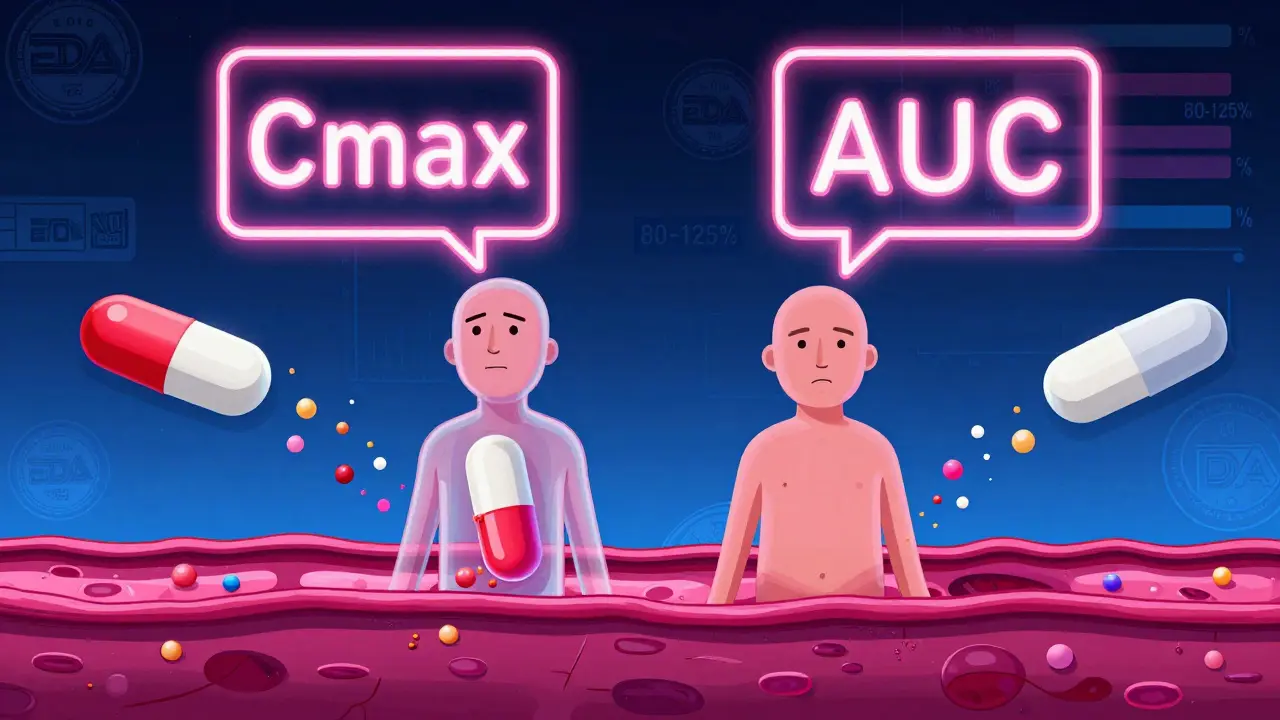
Bioequivalence Explained: FDA Requirements to Prove Generic Drug Equivalence
Learn how the FDA proves generic drugs work just like brand-name versions using bioequivalence studies, Cmax, AUC, and the 80-125% rule. Understand what really makes generics safe and effective.

Corticosteroids and Diabetes: How Steroids Cause High Blood Sugar and How to Manage It
Corticosteroids like prednisone can cause dangerous spikes in blood sugar, even in people without diabetes. Learn how steroids trigger hyperglycemia, who’s at risk, and how to manage it safely with insulin and monitoring.
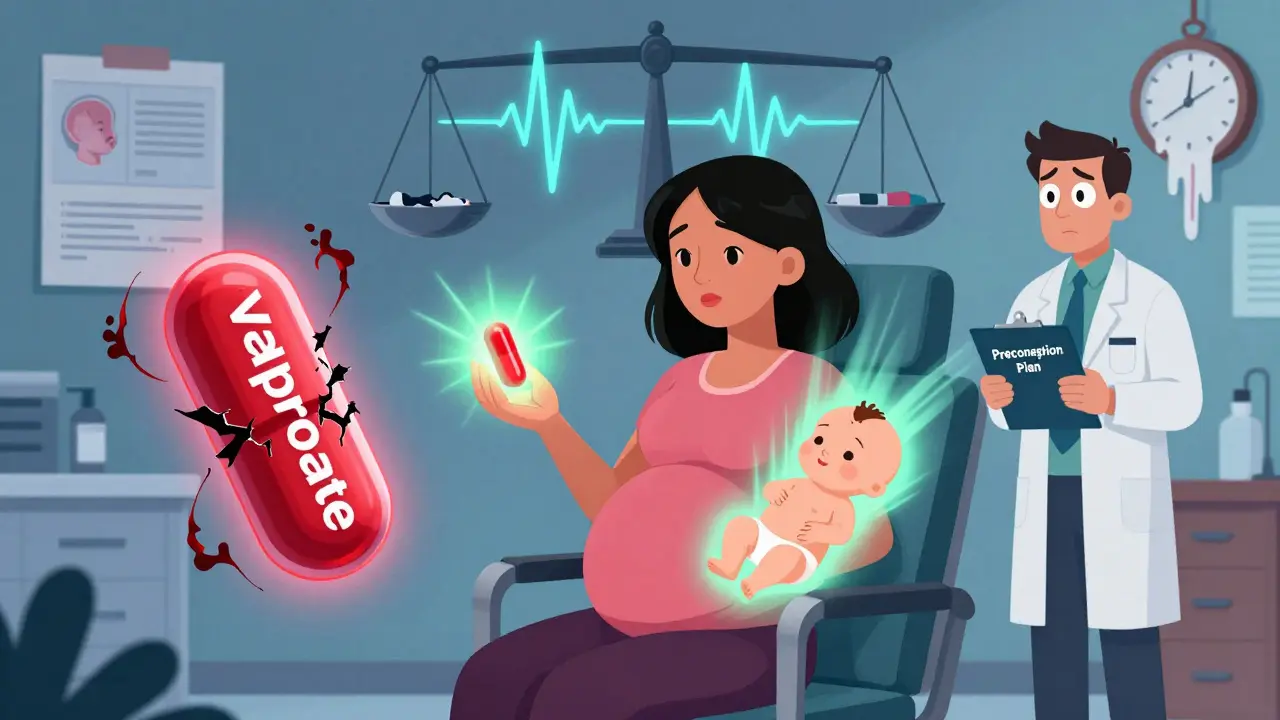
Seizure Medications and Pregnancy: Risks of Birth Defects and Drug Interactions
Seizure medications can increase the risk of birth defects and interact with birth control, but safer options like lamotrigine and levetiracetam exist. Learn which drugs to avoid during pregnancy and how to manage epilepsy safely while planning a family.
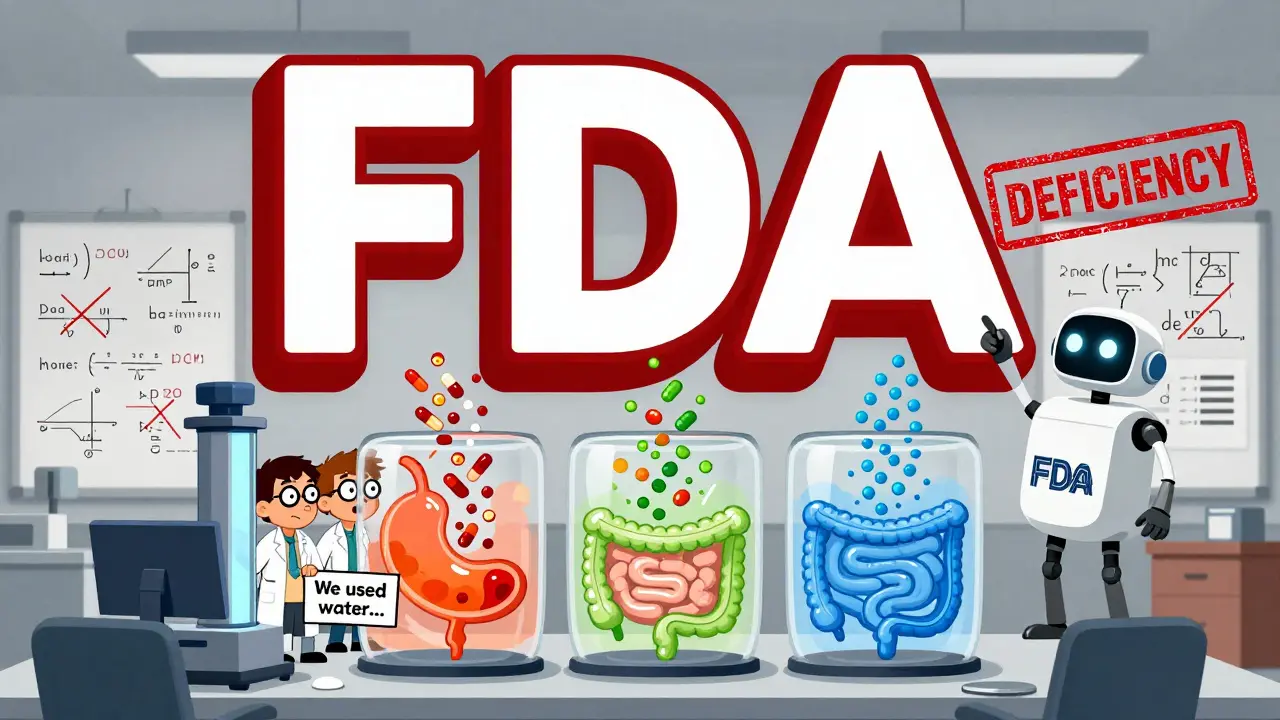
Deficiency Letters in Generic Drug Applications: Common FDA Findings and How to Avoid Them
Deficiency letters from the FDA are the most common reason generic drug applications fail. Learn the top 5 causes-dissolution issues, impurities, sameness problems, manufacturing flaws, and poor documentation-and how to avoid them for faster approval.