
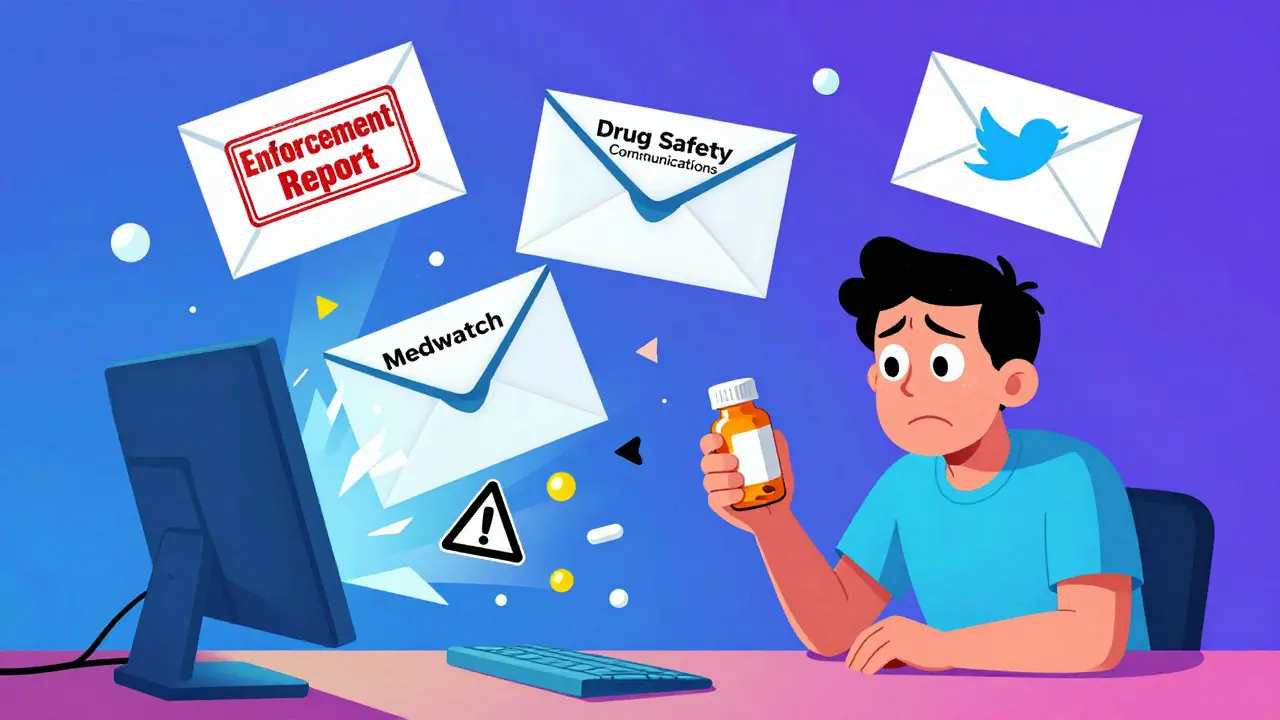
Every year, the FDA issues over 1,200 safety alerts about prescription drugs, over-the-counter medicines, and medical devices. Some of these alerts warn about deadly contaminants, unexpected side effects, or recalls that could put patients at risk. If you’re a patient, caregiver, pharmacist, or healthcare provider, FDA drug safety alerts aren’t just useful-they can be life-saving.
Why You Need FDA Drug Safety Alerts
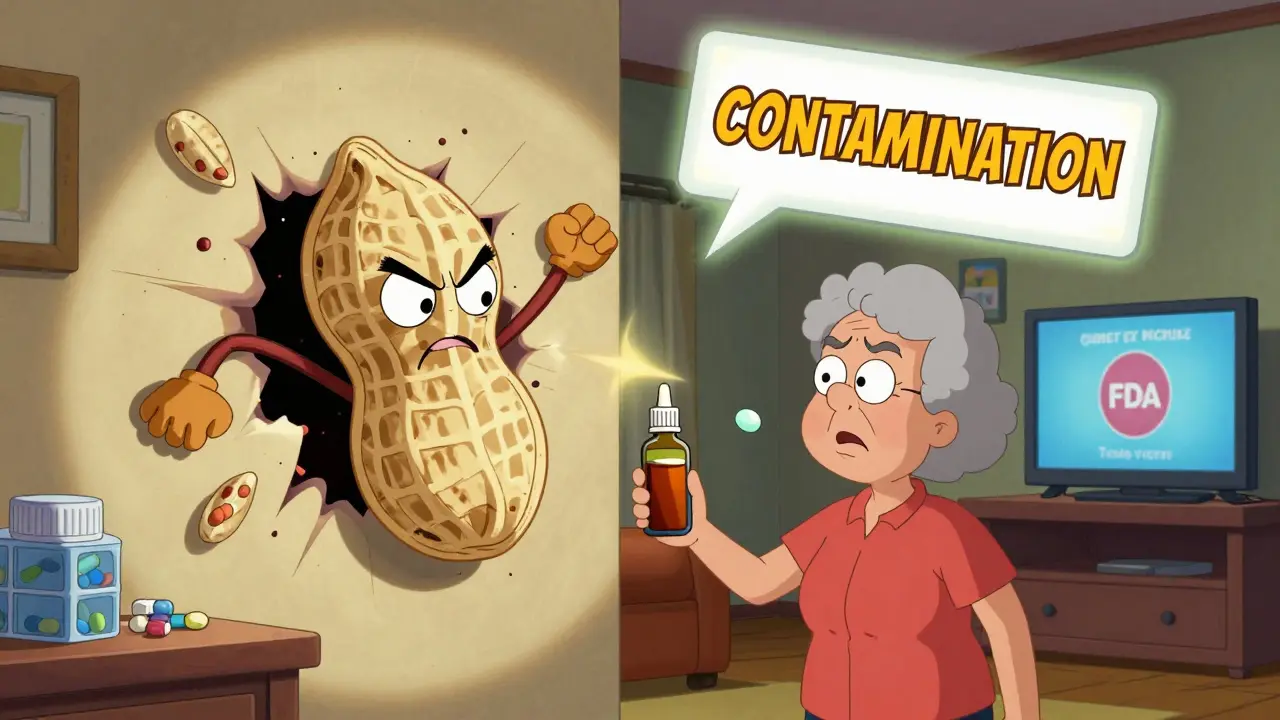
In 2018, a contamination in valsartan, a common blood pressure medication, led to recalls across multiple brands. Patients didn’t know their pills were unsafe until weeks later. That delay cost lives. Since then, the FDA overhauled its alert system to cut response time from 14 days to under 48 hours. Today, subscribers get notified within hours of a recall or safety issue being confirmed. You don’t need to be a doctor to benefit. A patient in Ohio recently avoided a recalled batch of insulin because her keyword alert for "insulin" triggered an email. A grandmother in Texas stopped buying a cough syrup after a "peanut" keyword alert warned of cross-contamination. These aren’t rare cases-they’re happening every day. The FDA’s system is free, government-run, and covers everything from prescription pills to antacids. No other system offers this level of authority or breadth. Commercial services might send you alerts too, but they often miss recalls, don’t cover OTC drugs, and charge monthly fees. The FDA’s system is the only one that’s legally required to act.Three Ways to Get FDA Alerts (And What Each One Does)
The FDA runs three separate alert systems. Confusing? Yes. But each one serves a different purpose. Here’s what you actually get with each:- Enforcement Report Subscription: This is for recalls. If a drug is pulled from shelves because it’s contaminated, mislabeled, or defective, this system emails you. You can pick "Drugs" as a category and set up to five custom keywords like "metformin," "ibuprofen," or "allergy." You choose daily or weekly emails.
- Drug Safety Communications: This alerts you to safety issues that aren’t necessarily recalls. Think: new black box warnings, unexpected heart risks, or dangerous interactions. These are written for healthcare providers but are clear enough for patients. You subscribe by email and can filter by drug class-like statins, antidepressants, or diabetes meds.
- MedWatch Safety Alerts: This is the FDA’s original system, dating back to 1993. It covers all types of safety issues, including adverse events reported by doctors and patients. You can sign up for email, follow @FDAMedWatch on Twitter, or use the RSS feed. It’s the broadest but least targeted.
How to Subscribe (Step-by-Step)
Signing up takes less than five minutes. Here’s how to do each one:1. Enforcement Report Subscription (For Recalls)
- Go to fda.gov/enforcement-report-subscription
- Enter your email address
- Check "Drugs" under Product Categories
- Under "Custom Keywords," type up to five terms (e.g., "lisinopril," "metformin," "epinephrine")
- Select Daily or Weekly delivery
- Click "Subscribe"
2. Drug Safety Communications (For Safety Warnings)
- Go to fda.gov/drugs/drug-safety-and-availability/drug-safety-communications
- Scroll to the bottom and click "Sign up for email alerts"
- Enter your email
- Choose categories: "All Drugs," "Prescription Drugs," "Over-the-Counter," or "Biologics"
- Click "Submit"
3. MedWatch Alerts (For All Safety News)
- Go to fda.gov/medwatch-email-list
- Fill in your email
- Click "Subscribe"
What You Won’t Get (And What to Expect Instead)
The FDA doesn’t send:- Mobile push notifications (yet)
- Personalized risk scores
- Drug interaction checkers
- Text messages
Who Should Subscribe? (And Who’s Already Using It)
You might think this is only for doctors. It’s not.- Patients: If you take any prescription or OTC drug, you should be subscribed. Especially if you’re on long-term meds like blood thinners, insulin, or antidepressants.
- Family caregivers: If you manage meds for an elderly parent or child, this is your safety net.
- Pharmacists: 82% of large hospitals use these alerts. Retail pharmacists? Only 29%. That’s a gap.
- Healthcare providers: 72% of doctors who subscribe say they changed treatment plans based on FDA alerts. That’s huge.
- Pharmaceutical workers: 68% of manufacturers subscribe. They need to know what’s recalled before their next shipment.
What’s Coming in 2025
The FDA is upgrading everything:- By Q2 2025: A mobile app will launch with push notifications.
- By December 2025: You’ll be able to set up to 10 keywords instead of 5.
- By Q3 2025: All three alert systems will merge into one unified platform.
- By Q3 2025: Spanish-language alerts will be available.
What to Do If You Miss an Alert
If you’re not subscribed yet, don’t wait. Go to fda.gov/enforcement-report-subscription right now. Set up one alert. Just one. Pick your most important drug. Use your own name as a keyword if you’re worried about recalls tied to your brand. Check your spam folder. FDA emails come from @fda.hhs.gov. Add that to your safe list. If you get an alert and aren’t sure what to do:- Call your pharmacist
- Don’t stop your meds without talking to your doctor
- Use the FDA’s contact form or call 1-888-INFO-FDA (1-888-463-6332)
Final Thought: It’s Not About Fear. It’s About Control.
You can’t control every risk. But you can control whether you know about it. The FDA doesn’t send alerts to scare you. They send them so you can act. A single email once a week might be all it takes to avoid a dangerous drug. That’s not hype. That’s data. In 2023, over 2.7 million people signed up. That’s more than the population of Australia. If they can do it, so can you.Are FDA drug safety alerts free?
Yes. All FDA drug safety alert subscriptions are completely free. You only need an email address. There are no hidden fees, no premium tiers, and no ads. The system is funded by the U.S. government and designed to protect public health.
Can I get alerts in Spanish?
Not yet, but it’s coming. The FDA plans to launch Spanish-language versions of all drug safety alerts by Q3 2025. Until then, you can use browser translation tools on the FDA website to read alerts in Spanish. The agency acknowledges this gap and is prioritizing language access under its 2024 Language Access Plan.
What’s the difference between Enforcement Reports and Drug Safety Communications?
Enforcement Reports are for recalls-when a drug is pulled from shelves due to contamination, mislabeling, or manufacturing defects. Drug Safety Communications are for safety warnings that don’t require a recall, like new side effects, dangerous interactions, or updated dosing guidelines. You need both to stay fully informed.
How often do these alerts come?
It depends on the system. Enforcement Reports can come daily or weekly-you choose. Drug Safety Communications are sent as new alerts are issued, which averages 2-4 per week. MedWatch alerts are the most frequent, sometimes multiple times a day during active safety events. You’ll get more alerts if you use multiple systems or set many keywords.
Can I unsubscribe later?
Yes. Every email from the FDA includes an "unsubscribe" link at the bottom. You can also manage your subscriptions by logging back into the subscription portal where you signed up. There’s no penalty for unsubscribing, and you can always resubscribe later.
Do these alerts cover over-the-counter drugs?
Yes. The FDA’s Enforcement Report and Drug Safety Communications systems cover both prescription and over-the-counter (OTC) medications. That includes common drugs like ibuprofen, acetaminophen, antacids, and allergy pills. If it’s sold in the U.S. and regulated by the FDA, it’s included.
What if I don’t have a computer?
You can still get alerts by calling the FDA’s helpline at 1-888-INFO-FDA (1-888-463-6332). They can mail you printed safety notices or help you sign up over the phone. You can also ask a family member, pharmacist, or community health worker to help you subscribe. The FDA is required to provide access to all patients, regardless of digital access.
Comments
Akshaya Gandra _ Student - EastCaryMS
January 4, 2026 AT 18:14also, why is there no text alert option? like, my grandma cant check email but she can get texts.
Uzoamaka Nwankpa
January 5, 2026 AT 00:04Oluwapelumi Yakubu
January 6, 2026 AT 03:35But let us not forget: the same agency that once approved thalidomide now whispers sweet nothings into our inboxes. Is it wisdom… or just better PR?
Still, I’ll take a plain-text email from @fda.hhs.gov over a slick app pushing ads for ‘smart pill dispensers’ any day. The truth is rarely glamorous - and that’s why this works.
Enrique González
January 6, 2026 AT 16:45John Wilmerding
January 6, 2026 AT 20:13Also, for caregivers: when setting keywords, include both brand and generic names - e.g., "Lisinopril" and "Zestril" - since recalls often reference the brand.
And yes, check spam. I’ve seen too many patients miss alerts because their email filters tagged @fda.hhs.gov as "marketing."
Peyton Feuer
January 7, 2026 AT 22:29but honestly? i’d rather get too many than miss one. my cousin died from a contaminated generic antibiotic in 2020. i didn’t know anything was wrong until it was too late. this system is the bare minimum we deserve.
Siobhan Goggin
January 8, 2026 AT 18:39It’s not glamorous. But it’s peace of mind. And that’s worth five minutes of your time.
Vikram Sujay
January 9, 2026 AT 15:06One must recognize that public health infrastructure, though underfunded and underappreciated, remains the last bulwark against corporate negligence. Subscribing is not an act of paranoia - it is civic responsibility.
Jay Tejada
January 10, 2026 AT 14:12i mean, cool that it exists… but the fact that we need to manually subscribe to not get poisoned by our own meds says something about the system, no?
still, i signed up for my dad’s diabetes meds. he’d forget to eat, let alone check his email. so… yeah. i guess this helps.
Shanna Sung
January 10, 2026 AT 19:32Did you know they approved 98% of drugs without real clinical trials? And now they want you to trust their emails?
I only take supplements. They’re safer. And I don’t trust any government agency that doesn’t have a .gov domain on their Twitter.
josh plum
January 12, 2026 AT 14:54And don’t get me started on how they let contaminated baby formula through last year. If they can’t even protect infants, why should I trust them with my blood pressure pills?
I’m not subscribing. I’m just gonna keep asking my pharmacist to call me when something’s off. At least he’s not paid by Congress.