
Archive: 2026/02

Addison’s Disease: Understanding Adrenal Insufficiency and Lifelong Steroid Replacement
Addison’s disease is a rare but life-threatening condition where the adrenal glands fail to produce essential hormones. Lifelong steroid replacement is required to prevent adrenal crisis, a medical emergency that can be fatal without prompt treatment.
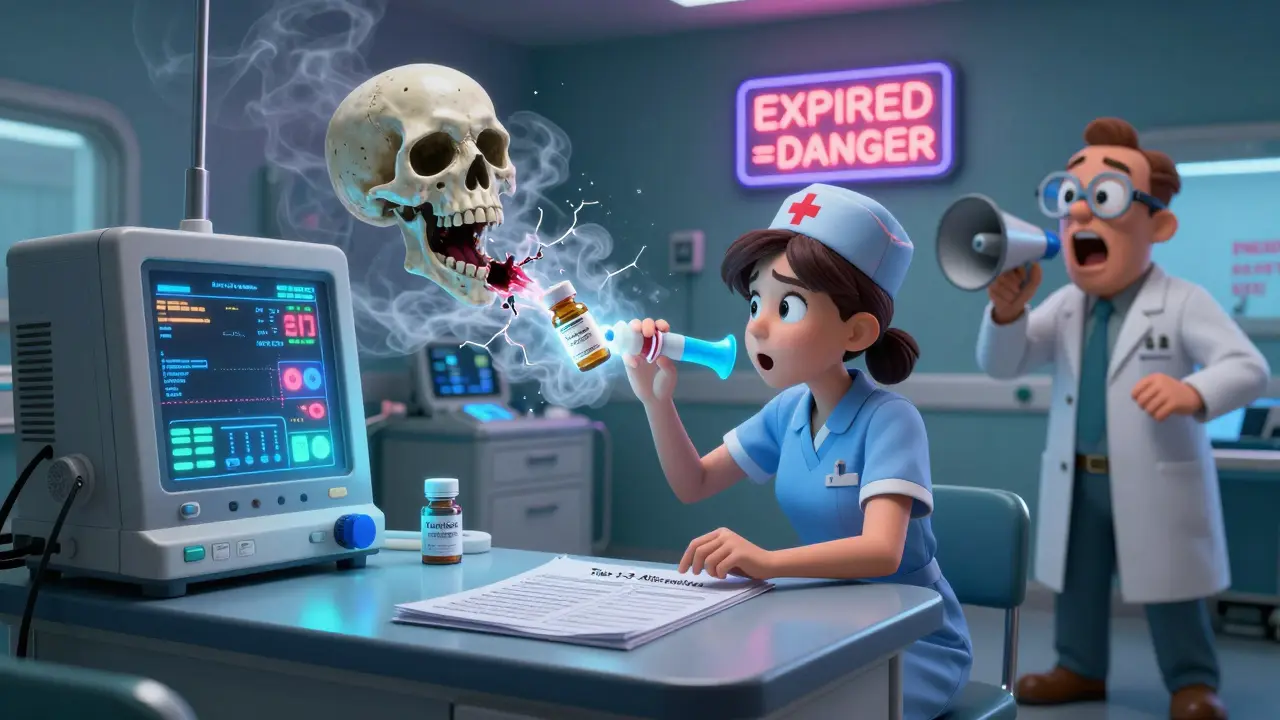
How to Prioritize Replacements for Expired Critical Medications
When critical medications expire, patient safety is at risk. Learn how to prioritize replacements using proven tiered protocols, pharmacist-led workflows, and real-world strategies to prevent errors and save lives.
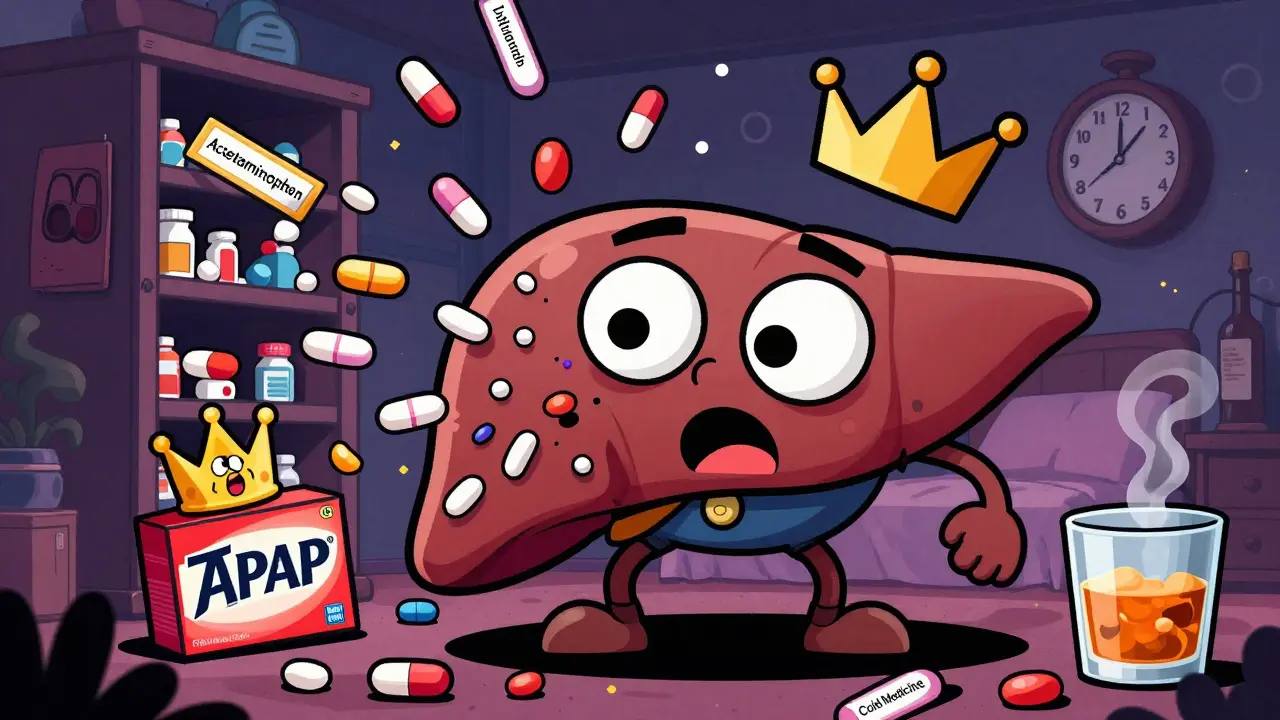
How to Avoid Liver Injury from OTC Pain Relievers
Acetaminophen is the most common cause of liver failure from OTC pain relievers. Learn how to use it safely, avoid hidden sources in cold medicines, recognize warning signs, and find safer alternatives for long-term pain relief.
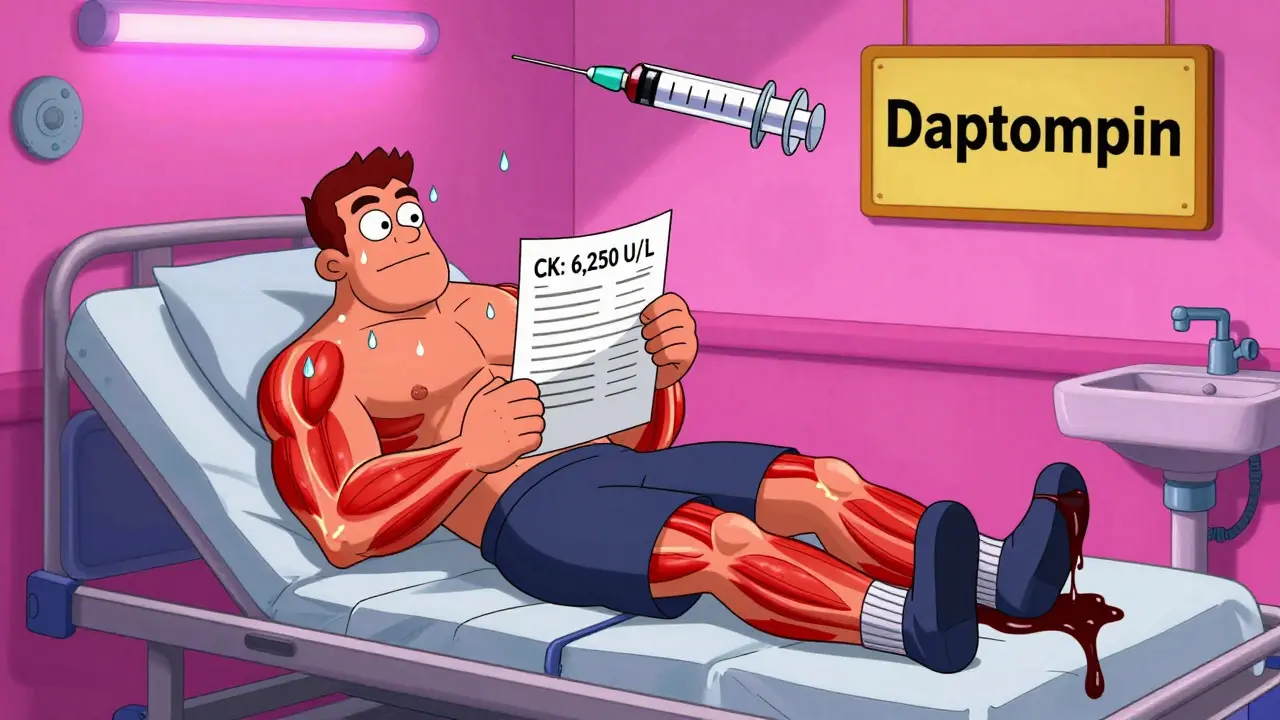
Daptomycin Muscle Toxicity: CK Monitoring and Symptoms
Daptomycin is a powerful antibiotic for resistant infections, but it can cause muscle damage. Learn the symptoms, why CK monitoring is critical, who's at risk, and how to stay safe during treatment.

Severe Adverse Drug Reactions: When to Seek Emergency Help
Severe adverse drug reactions can be deadly. Learn the critical signs of anaphylaxis, skin reactions like SJS/TEN, and when to call 911. Know what to do - and what not to do - in a drug emergency.
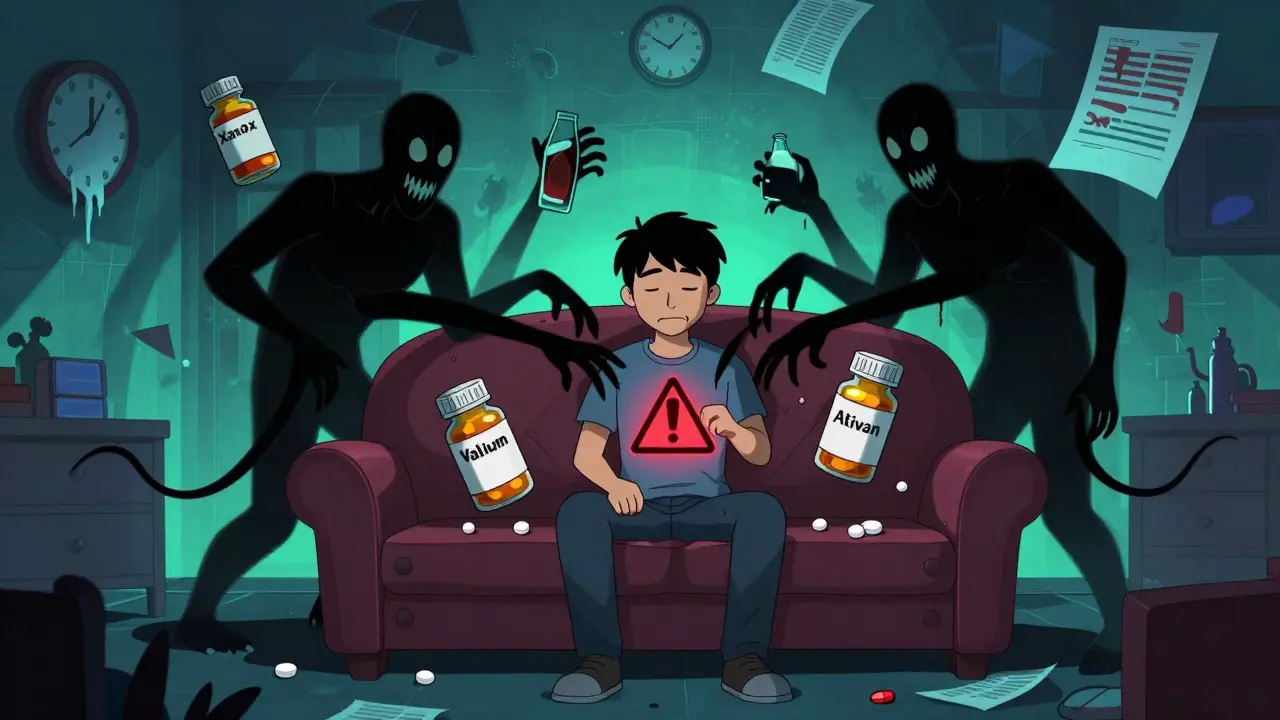
Anxiety Medications: Benzodiazepines and the Hidden Dangers of Drug Interactions
Benzodiazepines like Xanax and Valium work fast for anxiety but carry serious risks when mixed with opioids, alcohol, or sleep meds. Learn why these combinations can be deadly and what safer alternatives exist.
In Vivo vs In Vitro Bioequivalence Testing: When Each Is Used
In vivo and in vitro bioequivalence testing are two methods used to prove generic drugs work like the brand-name version. Learn when each is required, how they differ, and why regulators choose one over the other.
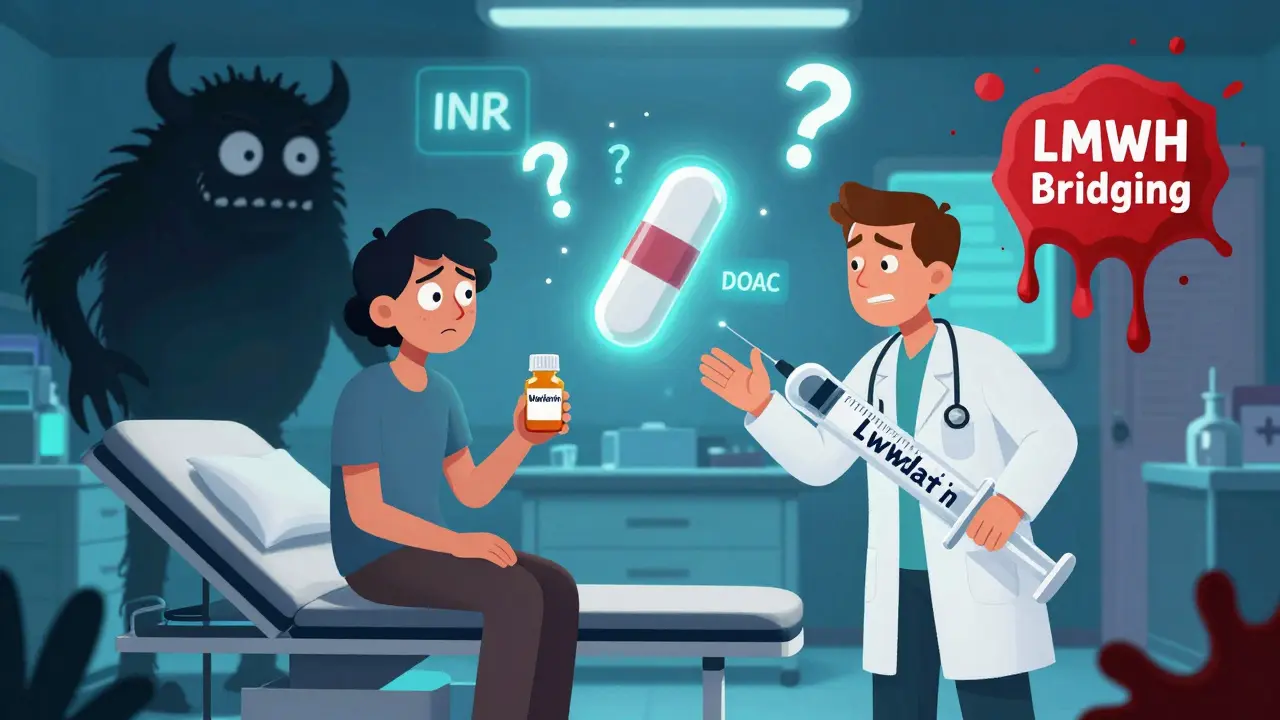
Bridging Therapy: How to Safely Switch Between Blood Thinners
Bridging therapy between blood thinners is no longer routine. Learn when it's truly needed, how DOACs have changed the game, and what steps to take before surgery to stay safe without unnecessary injections.
HCV Reinfection and Cure: Retreatment and Harm Reduction Strategies That Work
HCV reinfection after cure is common among high-risk groups, but it’s fully treatable. Learn how retreatment works, why harm reduction is essential, and what’s changing in 2025 to stop the cycle.
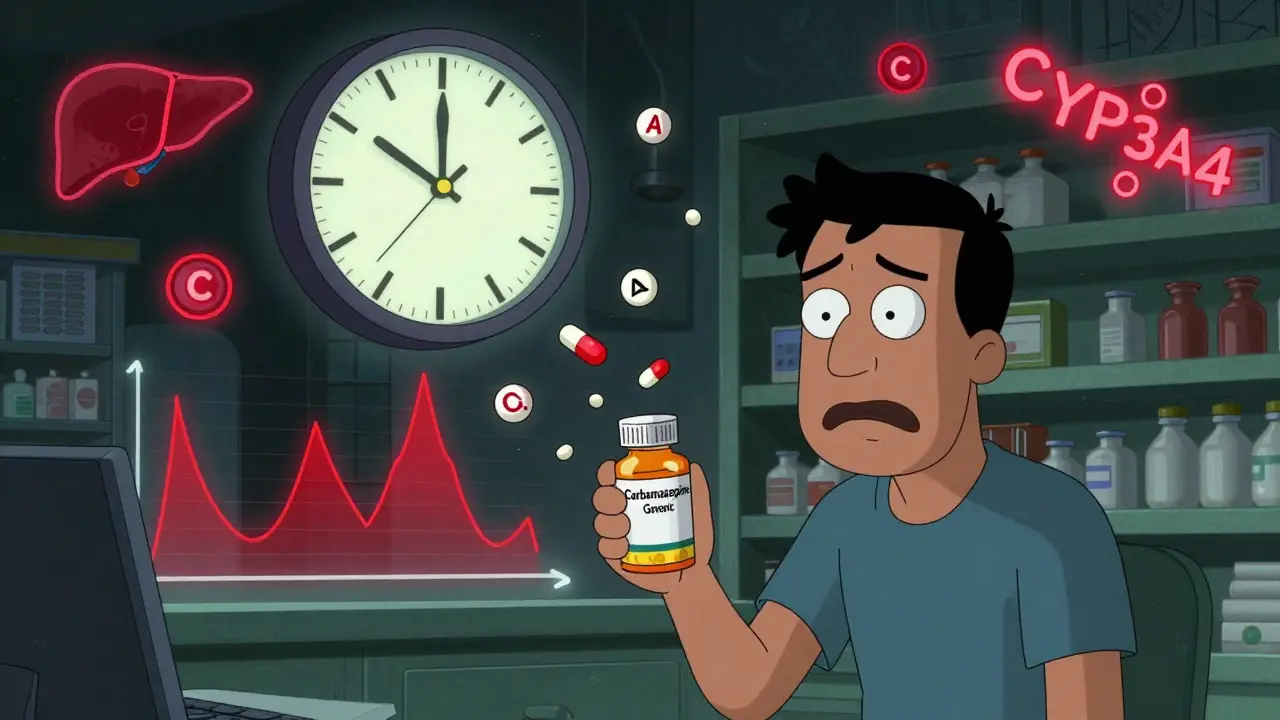
Carbamazepine Generics: Enzyme Induction and Drug Interactions Explained
Carbamazepine generics pose serious risks due to enzyme induction, narrow therapeutic index, and formulation differences. Learn why switching brands can trigger seizures, drug interactions, and toxicity - and how to protect yourself.