
SafeMeds4All: Your Trusted Pharmaceutical Guide - Page 2

Alcohol Types and Medication Safety: Spirits, Wine, and Beer Risks Guide
Discover how different alcohol types like beer, wine, and spirits interact with medications. Learn the science behind standard drinks and identify high-risk combinations.
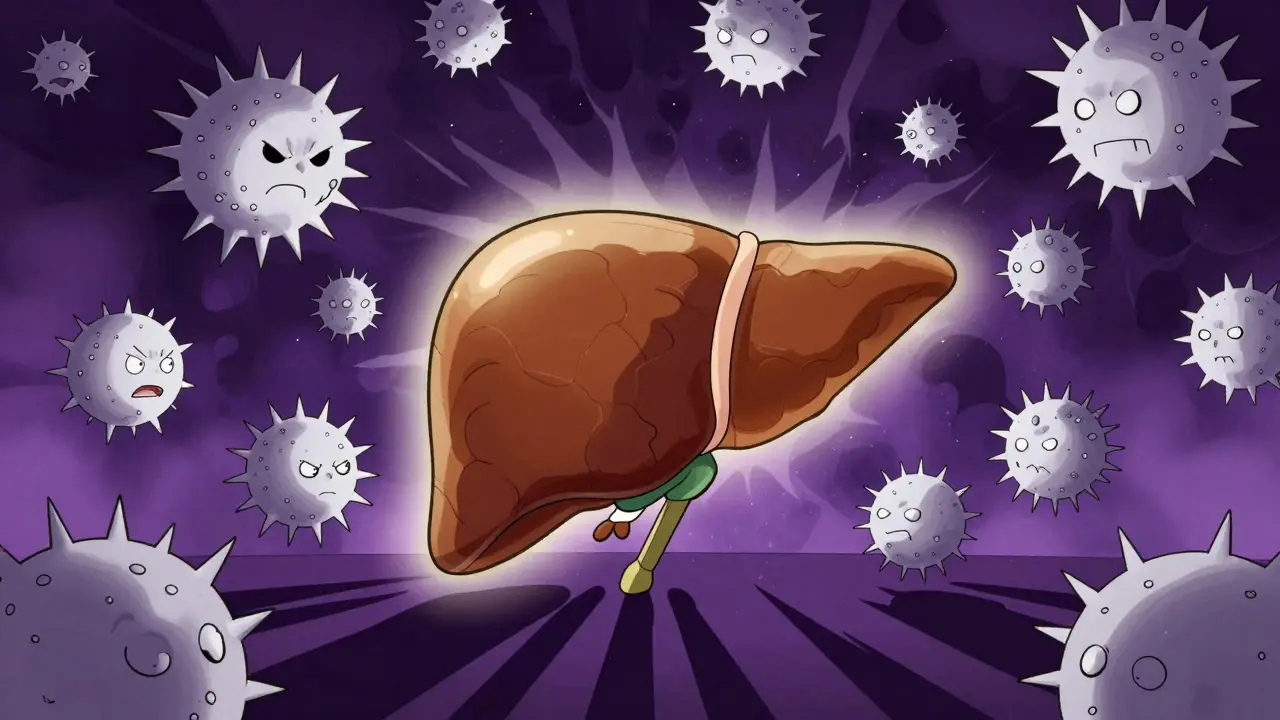
Understanding Autoimmune Hepatitis: Causes, Symptoms, and Treatment
Learn how autoimmune hepatitis develops when immune systems attack liver cells, available treatment options, managing daily life with this chronic liver condition.

Understanding Lyme Disease: Symptoms, Stages, and Treatment Timeline
A complete guide to Lyme disease covering tick transmission, symptom timelines, diagnostic challenges, and modern treatment protocols for patients.
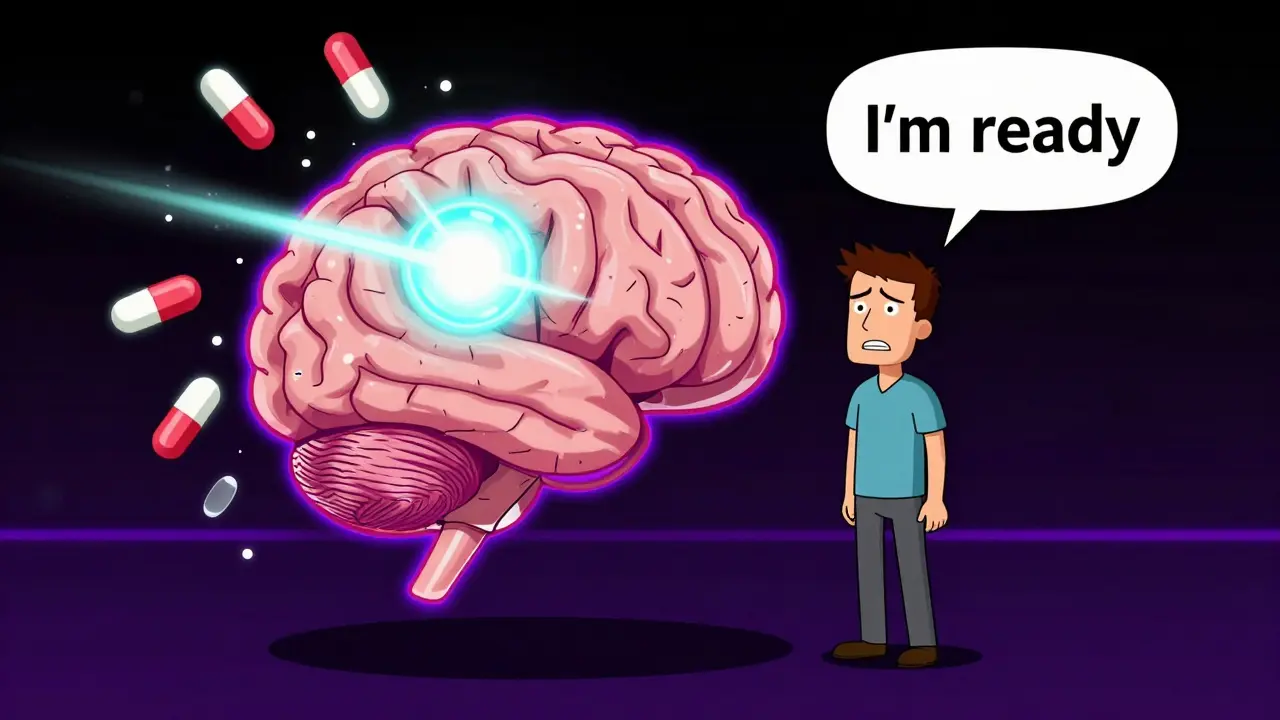
Epilepsy Surgery: Who Qualifies, What Risks Are Involved, and What Results to Expect
Epilepsy surgery can offer seizure freedom for those with drug-resistant epilepsy. Learn who qualifies, what risks to expect, and how outcomes have improved with early intervention and modern techniques.
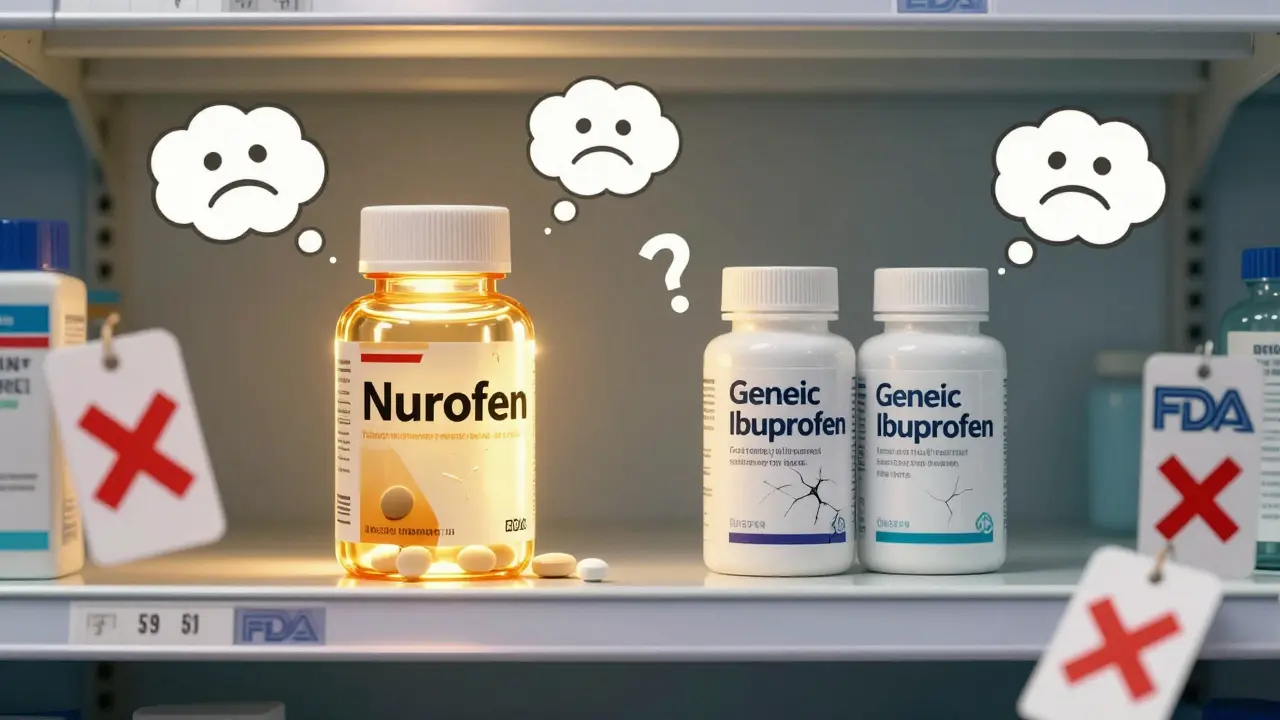
Placebo Effect with Generics: Why Perception Affects Medication Outcomes
Perception shapes how well generic medications work-even when they’re chemically identical to brand-name drugs. Learn why branding, price, and labeling affect outcomes and how to overcome the placebo gap.
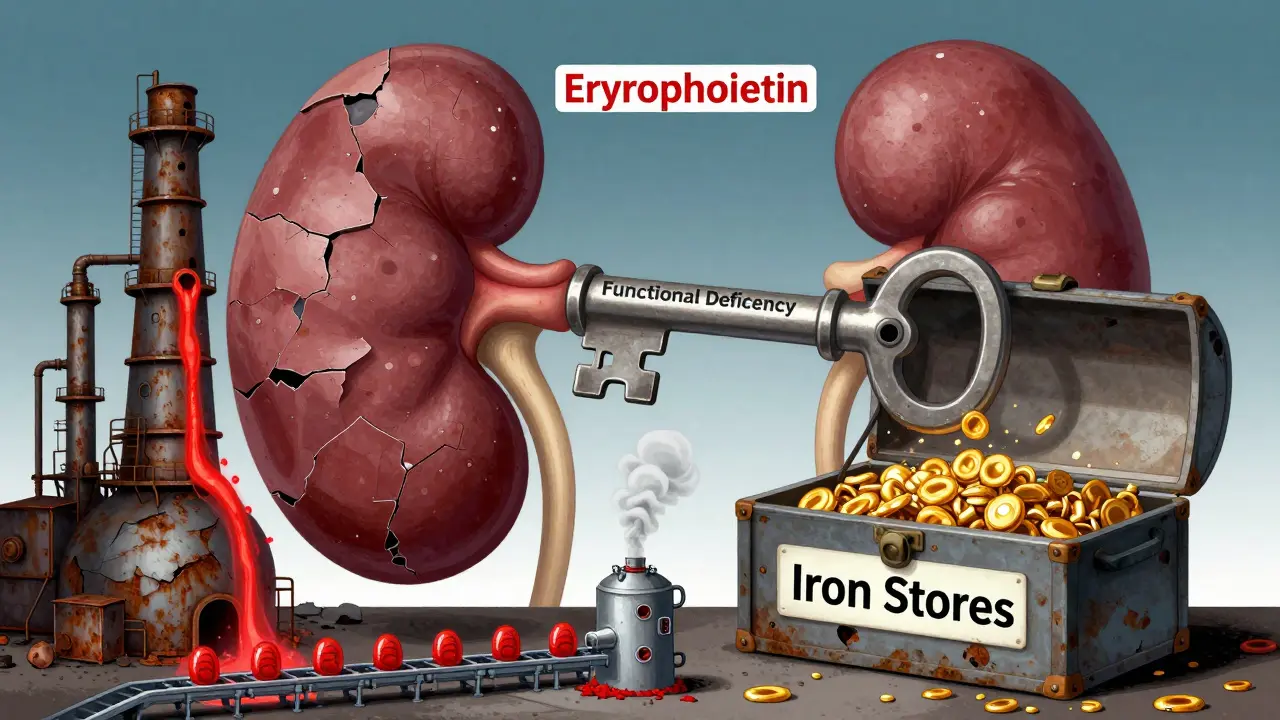
Anemia in Kidney Disease: How Erythropoietin and Iron Therapy Work Together
Anemia in kidney disease is caused by low erythropoietin and iron misuse. Erythropoietin therapy and IV iron are the main treatments, with new oral HIF-PHIs now offering alternatives. Targeting hemoglobin between 10-11.5 g/dL improves quality of life and reduces risks.
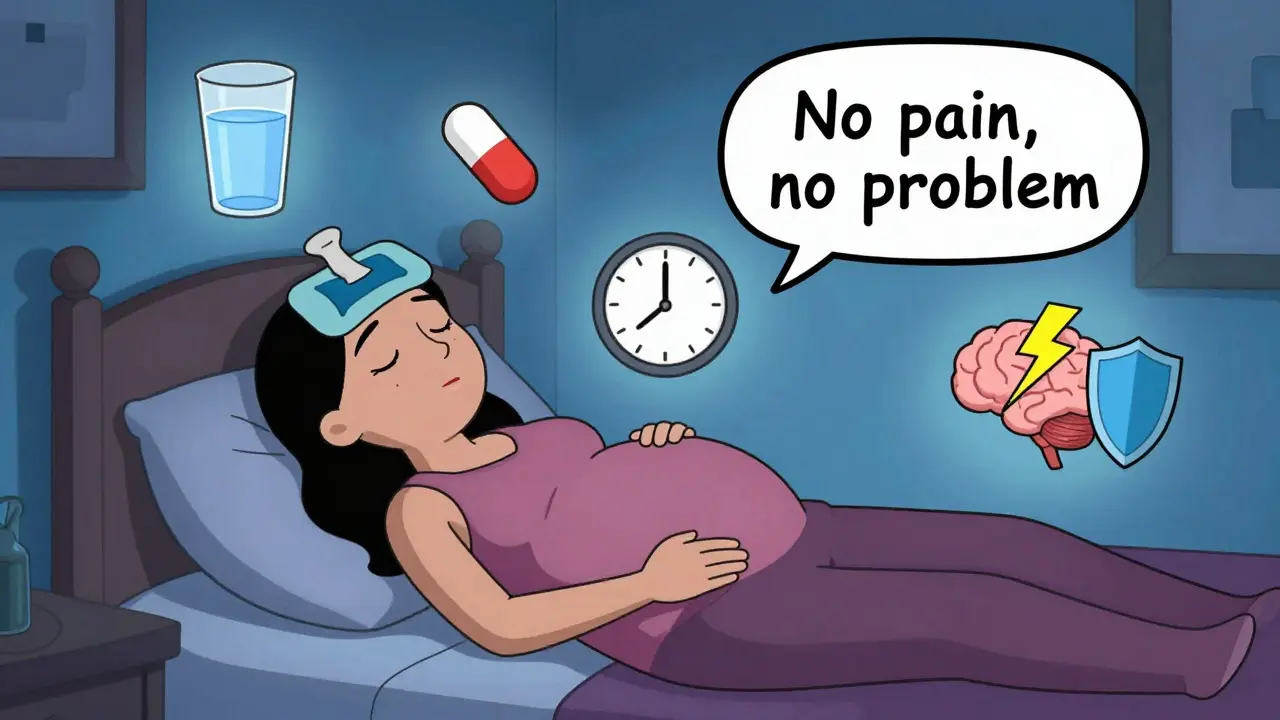
Safe Migraine Treatments During Pregnancy and Lactation: What Works Without Risk
Learn the safest migraine treatments during pregnancy and breastfeeding, from non-drug options to approved medications like acetaminophen and triptans. Discover what works, what to avoid, and how to manage pain without risking your baby's health.

High Triglycerides: How to Prevent Pancreatitis and Protect Your Heart
High triglycerides aren't just a lab result-they can trigger pancreatitis or silently damage your heart. Learn how to lower them, which treatments actually work, and what to avoid to protect your health.
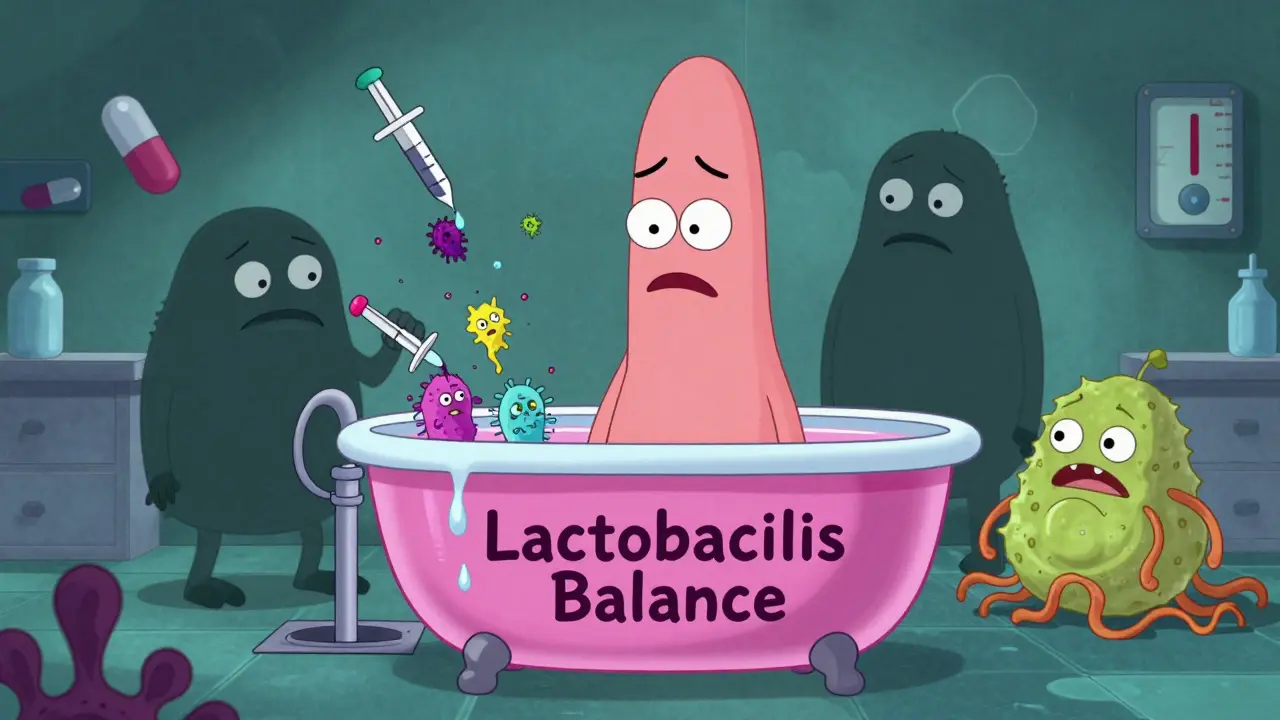
Antibiotic-Induced Yeast Infections: Prevention and Treatment
Antibiotic-induced yeast infections are common and preventable. Learn how antibiotics disrupt vaginal balance, who’s at risk, and the proven steps to avoid or treat them-without waiting for symptoms to start.
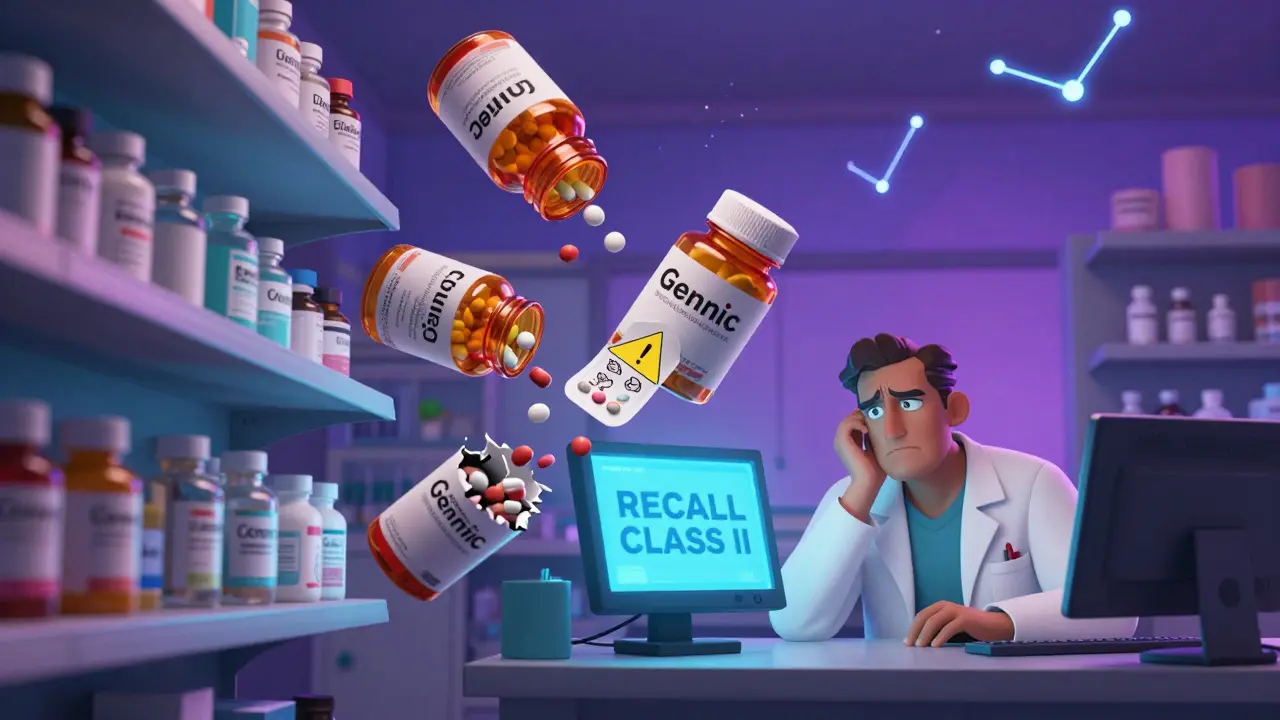
Generic Drug Recalls: Why They Happen and What to Do
Generic drug recalls happen more often than you think - and they’re not always about dangerous contamination. Learn why they occur, how to check if your meds are affected, and what steps to take to stay safe.