
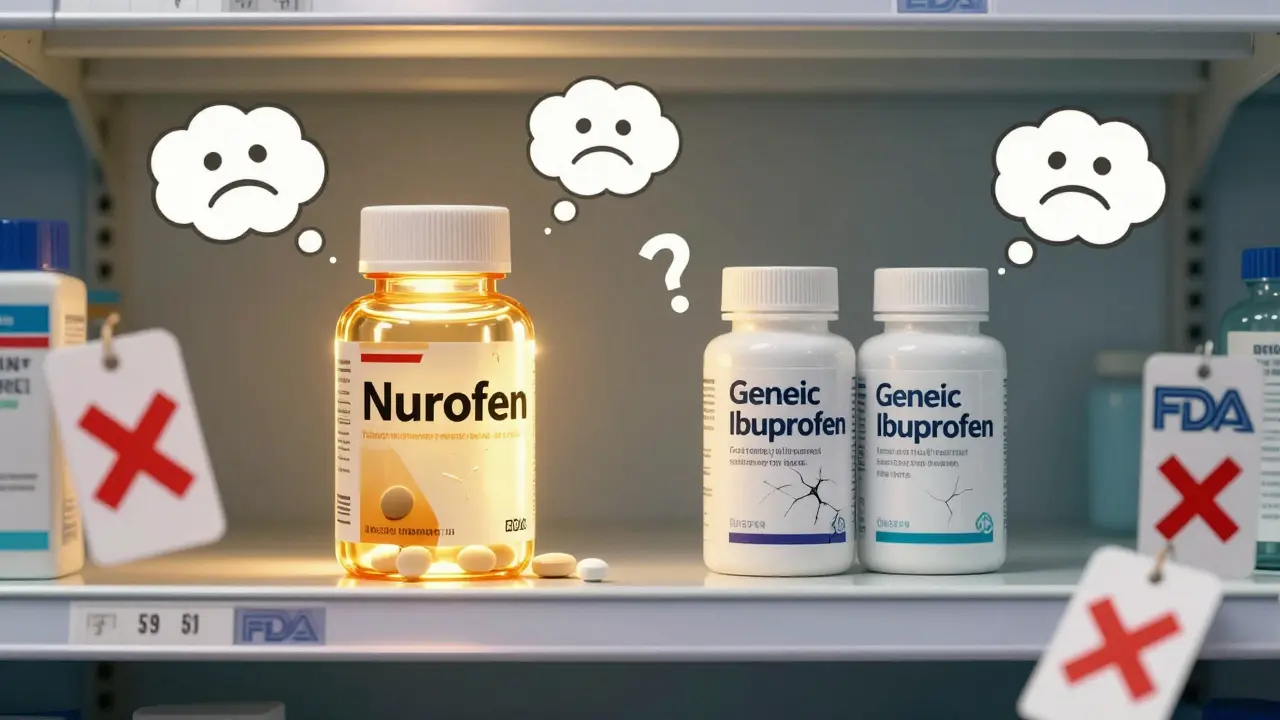
When you pick up a pill bottle from the pharmacy, do you ever wonder if the medicine inside is really working-or if it’s just your mind making you feel better? This isn’t just a theory. Real science shows that perception can change how well a drug works-even if it’s chemically identical to the brand-name version. The placebo effect with generics isn’t about tricks or deception. It’s about your brain, your expectations, and how packaging, price, and labels shape your experience.
What Happens When You Think a Generic Won’t Work
Imagine two identical pills. Same size. Same color. Same active ingredient. One says "Nurofen." The other says "Generic Ibuprofen." In a 2016 study, people who took the pill labeled "Nurofen" reported the same level of headache relief as those who took real ibuprofen. But those who took the "generic" version? Their pain didn’t drop nearly as much. The pills were placebos-no active drug at all. Yet the branding made all the difference. This isn’t an isolated case. In another experiment, researchers gave people a cream labeled either "expensive" or "cheap." Both creams were identical. But those who thought they were using the expensive one reported feeling twice as much pain. Brain scans confirmed it: their nervous systems were reacting more strongly. Their minds were amplifying the sensation. That’s the nocebo effect-the flip side of the placebo effect. When you expect something to fail, or hurt, or not work, your body often delivers exactly that.Why Branding Matters More Than You Think
The difference between brand-name and generic drugs isn’t chemistry. It’s psychology. Brand names carry trust. They’re tied to advertising, familiarity, and past experiences. When you’ve used Advil for years and it "worked," your brain remembers that. When you switch to a generic with no logo, no history, and a lower price tag, your brain starts asking: "Is this really the same?" Studies show that brand-name labeling increases the placebo effect by 30-40% in pain relief. In depression, up to 40% of improvement from antidepressants comes from placebo effects. If you believe your generic isn’t as strong, your brain may not release the same levels of serotonin or dopamine-even though the drug is doing exactly what the brand-name version does. And it’s not just about labels. Packaging plays a role too. One study found that generics with plain white packaging triggered more anxiety than those with colorful, branded-style designs. But here’s the twist: the plain packaging actually led to better anxiety reduction over time. Why? Because patients weren’t expecting perfection. They lowered their expectations-and ended up feeling better.Price Isn’t Just a Number. It’s a Signal.
We’ve all been told: "Cheaper doesn’t mean worse." But your brain doesn’t believe that. When a medication costs less, your mind interprets it as lower quality. In one experiment, participants who thought they were using an expensive painkiller reported fewer side effects. Those who thought they were using the cheap version? They reported more pain, more nausea, more fatigue-even though both were identical placebos. This has real consequences. In statin trials, 4-26% of people stopped taking placebo pills because they "felt muscle pain." They weren’t lying. Their bodies were reacting to what they believed was happening. And in real-world data, patients are 27% more likely to quit taking generic antidepressants within 30 days than brand-name ones-even though blood tests show identical drug levels. The problem isn’t the drug. It’s the message. When pharmacists say, "This is just a generic," or insurance forms list generics as "Tier 2," or ads for brand-name drugs emphasize "premium quality," they’re feeding into the belief that cheaper = weaker.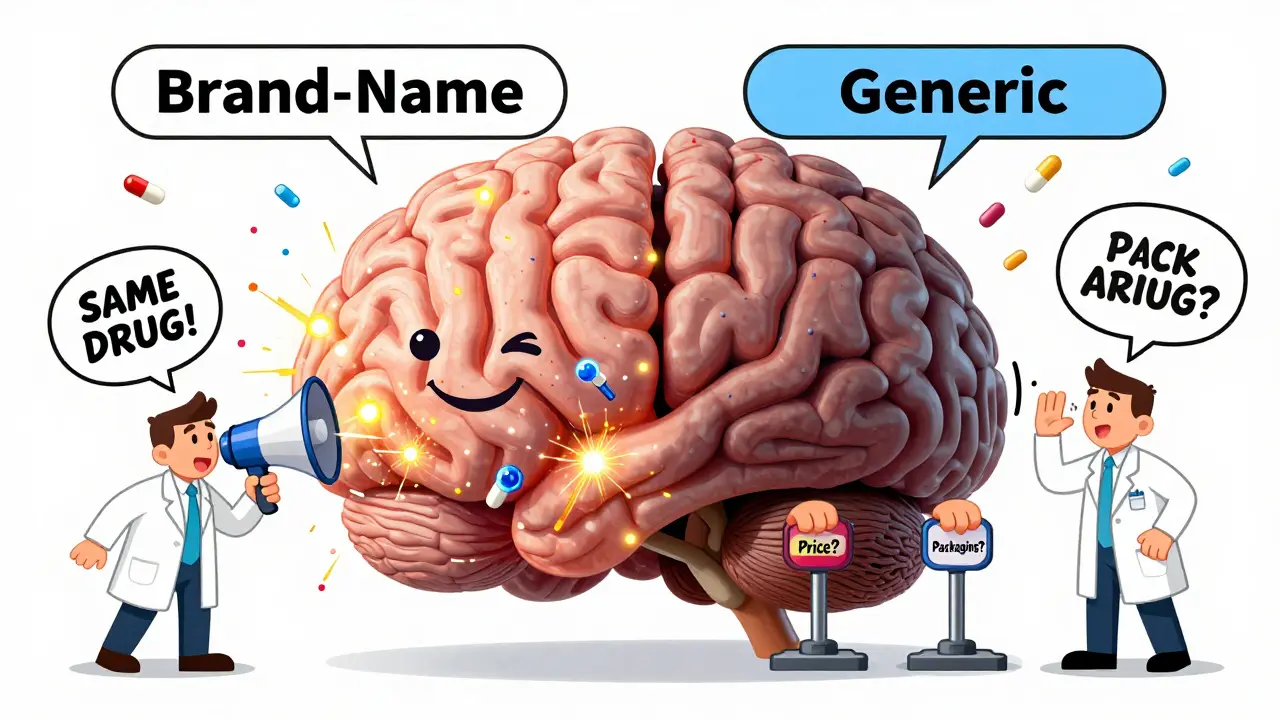
What the Science Says About Generic Effectiveness
Let’s be clear: generics work. The FDA requires them to contain the same active ingredient, in the same strength, and work the same way as the brand-name drug. They must be absorbed into the bloodstream within 8-13% of the original. That’s not a loophole. That’s a tight, science-backed standard. In cardiovascular drugs, generics perform just as well as brand names. For blood pressure meds, cholesterol drugs, and antibiotics, there’s no measurable difference in outcomes. Even in complex conditions like epilepsy, studies show generics are equally effective at preventing seizures. But here’s the catch: effectiveness isn’t just about chemistry. It’s about how you feel. In conditions where symptoms are subjective-pain, anxiety, depression, fatigue-your perception becomes part of the treatment. If you think the drug won’t work, your brain doesn’t engage the healing pathways the same way. Your body doesn’t respond as fully.How to Fix the Perception Problem
This isn’t about convincing people to blindly trust generics. It’s about giving them accurate, clear information that changes their expectations. Doctors and pharmacists who spend just 2-3 minutes explaining how generics work see an 18-22% increase in adherence. Saying things like:- "This generic has the same active ingredient as the brand-name drug, and the FDA requires it to work the same way."
- "Over 90% of prescriptions in the U.S. are filled with generics. They’re safe, tested, and effective."
- "The reason it costs less is because the company didn’t spend millions on ads. Not because it’s weaker."
The Bigger Picture: Costs, Choices, and Real-World Impact
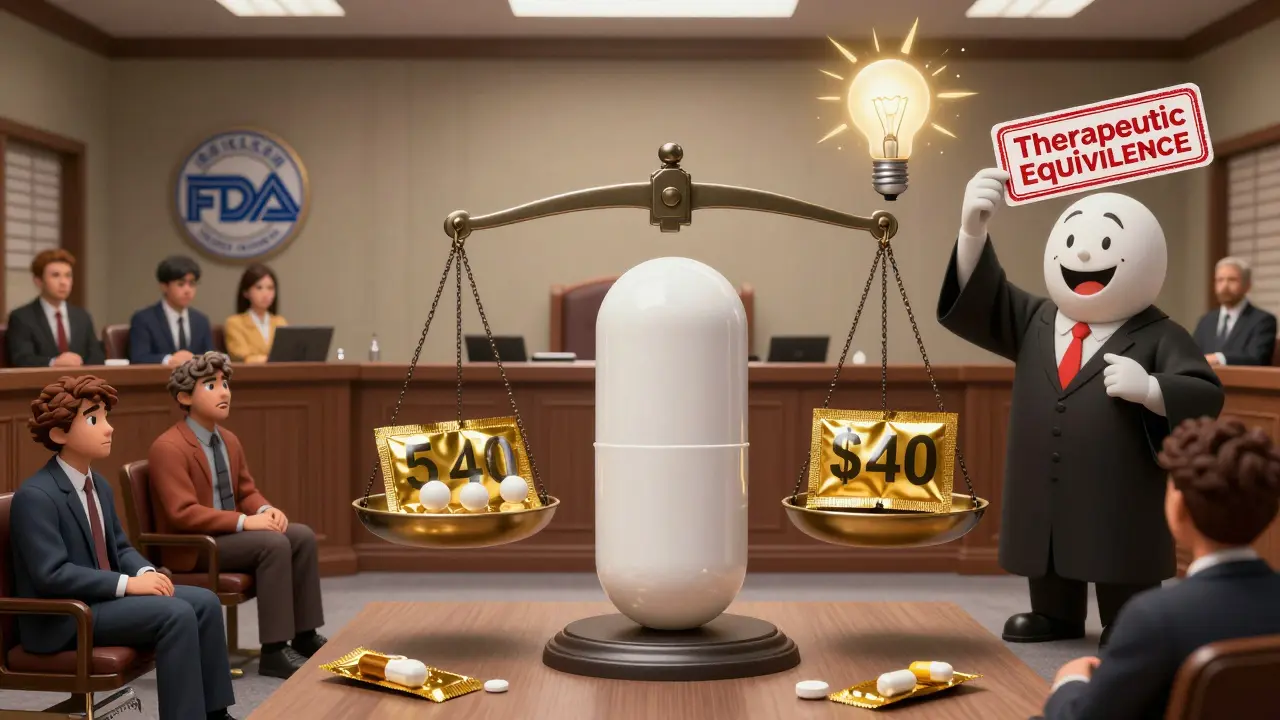
The U.S. spends $28 billion extra each year because people distrust generics. That’s money lost to unnecessary doctor visits, emergency room trips, and switching back to expensive brand-name drugs. In Australia, where generics are widely used and well-regulated, the perception gap is smaller-but still exists. A 2023 survey found that 54% of Australians still believe brand-name drugs are more effective. Pharmaceutical companies are catching on. Teva’s "Advil Migraine" is a generic ibuprofen with a branded name, fancy packaging, and a higher price. It’s not better. But it sells better. And it’s a sign of where things are headed: "premium generics" designed to ease perception, not improve chemistry. The real win? When patients understand that a $5 generic pill can work just as well as a $40 brand-name one. When they stop blaming the drug for their symptoms and start trusting the science. That’s when treatment works-not just chemically, but psychologically.What You Can Do
If you’re switching to a generic:- Don’t assume it won’t work. Your brain might be the only thing holding it back.
- Ask your pharmacist: "Is this the same as the brand-name?" They’ll tell you yes.
- Give it time. If you switched from a brand-name antidepressant, give the generic 4-6 weeks before deciding it’s not working.
- Notice your own thoughts. Are you saying "this won’t help" because you’ve been told it’s "just a generic"? That’s not a fact. It’s a story.
- Explain, don’t assume. Don’t say "it’s cheaper." Say "it’s the same."
- Use the FDA’s language: "therapeutic equivalence."
- Don’t use "just a generic" in conversation. That phrase has real consequences.
Frequently Asked Questions
Do generic drugs have the same active ingredients as brand-name drugs?
Yes. The FDA requires generic drugs to contain the exact same active ingredient, in the same amount, and work the same way as the brand-name version. The only differences allowed are in inactive ingredients-like color, shape, or fillers-which don’t affect how the drug works. Generic manufacturers must prove their product is absorbed into the bloodstream within 8-13% of the brand-name drug, which is considered therapeutically equivalent.
Why do some people feel like generics don’t work as well?
It’s not about the drug-it’s about perception. If someone believes a generic is inferior, their brain can reduce the placebo effect or even trigger a nocebo effect. This is especially common with medications for pain, anxiety, or depression, where symptoms are subjective. Studies show that patients who think they’re taking a brand-name drug report better results-even when they’re actually taking a placebo. The same effect happens in reverse: if you think a generic won’t help, your brain may not respond as fully, even if the drug is chemically identical.
Can the price of a medication affect how well it works?
Yes. In controlled studies, people who believed they were using an expensive medication reported less pain and fewer side effects than those who thought they were using a cheaper version-even when both were identical placebos. Brain scans showed stronger activity in pain-processing areas in the "expensive" group. This shows that price acts as a psychological cue. When a drug is priced low, the brain may interpret it as lower quality, which can reduce its effectiveness. This is why telling patients "this costs less" can backfire.
Are generics as safe as brand-name drugs?
Yes. Generics must meet the same strict manufacturing standards as brand-name drugs. The FDA inspects generic facilities just as rigorously. In fact, many brand-name companies manufacture their own generics. The only difference is that generics don’t pay for expensive advertising or clinical trials. Their safety profile is identical. Millions of people worldwide take generics every day with no increased risk.
Why do some patients switch back to brand-name drugs after trying generics?
Often, it’s because they believe the generic didn’t work-not because it actually didn’t. In one study, patients who switched from a brand-name antidepressant to a generic reported feeling worse within days. Blood tests showed identical drug levels. But their expectations had shifted. Once they were told the generic was "just as good," many reported improvement. This highlights how powerful perception is. Education and clear communication can reverse this effect.
Comments
Amber Gray
March 23, 2026 AT 04:37Danielle Arnold
March 23, 2026 AT 11:17Jesse Hall
March 23, 2026 AT 16:18Donna Fogelsong
March 24, 2026 AT 15:08Sean Bechtelheimer
March 26, 2026 AT 07:40Alex Arcilla
March 26, 2026 AT 09:45winnipeg whitegloves
March 27, 2026 AT 00:13Natasha Rodríguez Lara
March 27, 2026 AT 19:15Caroline Bonner
March 28, 2026 AT 09:23peter vencken
March 30, 2026 AT 07:24Chris Crosson
March 31, 2026 AT 23:49Katie Putbrese
April 1, 2026 AT 16:16Jacob Hessler
April 2, 2026 AT 08:44