
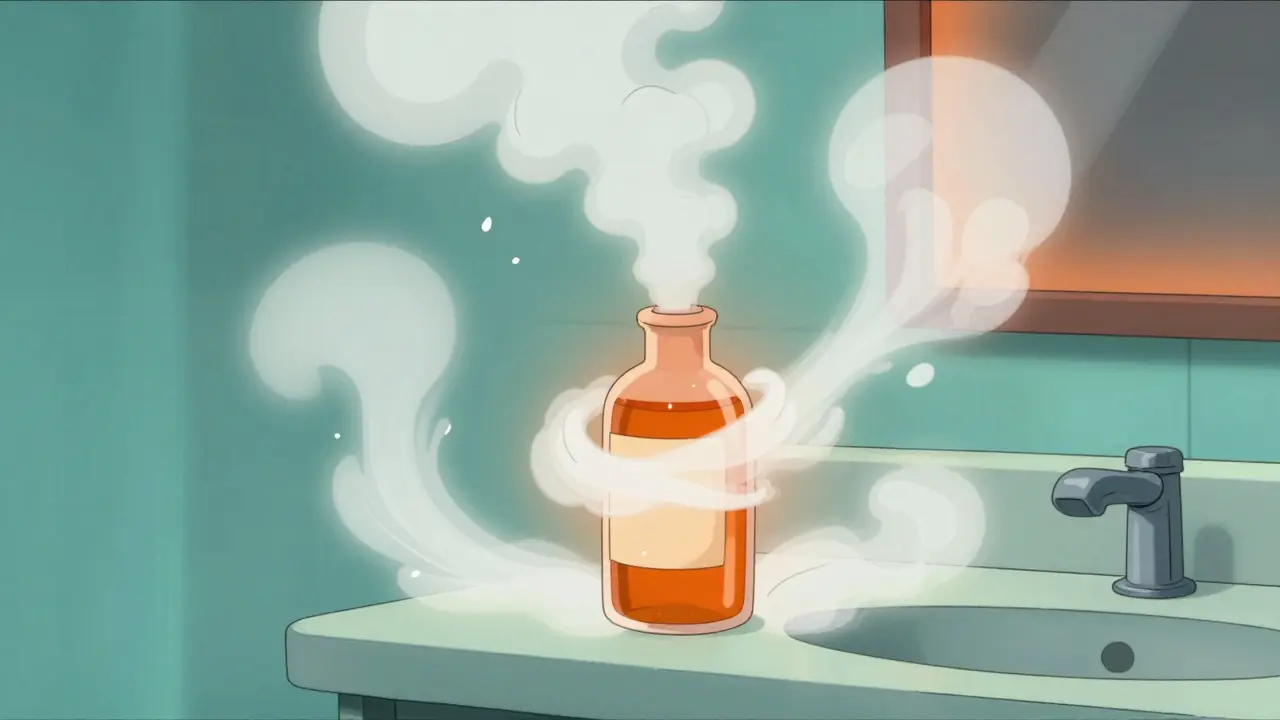
You probably think that as long as the date on the bottle is still good, your medicine is safe to use. But here is the catch: that date is only a guarantee if the drug has been kept in a perfect environment. If your pills are sitting in a steamy bathroom or a hot car, they might actually be expired medications long before the calendar says so.
The Science of Why Heat and Moisture Matter
Most pharmaceutical companies set expiration dates based on stability tests done in controlled labs. Usually, they assume a room temperature between 20-25°C (68-77°F) and a relative humidity of 35-65%. When you step outside those boundaries, chemistry takes over.
High temperatures speed up chemical reactions. In some cases, this causes the medication to decompose into inactive components. In other cases, it creates new, potentially harmful substances. For example, when Aspirin is exposed to moisture, it can decompose into vinegar (acetic acid) and salicylic acid, which can actually irritate your stomach more than the original drug would have.
Humidity is equally dangerous. Moisture can seep into capsules or tablets, causing them to swell, crumble, or stick together. For extended-release medications, moisture can damage the special outer coating. If that coating fails, the drug might release all at once instead of slowly over 12 hours, which can be dangerous depending on the medication.
Which Medications Are Most at Risk?
Not all drugs react the same way to a heatwave. Some are like tanks, while others are as fragile as an ice cube. Generally, liquid and biologic drugs are far more sensitive than solid pills.
| Medication Type | Sensitivity Level | Risk / Outcome |
|---|---|---|
| Biologics (e.g., Monoclonal Antibodies) | Extreme | Protein denaturation within hours if not kept at 2-8°C. |
| Insulin | High | Can lose 20% potency in 24 hours at 37°C. |
| Antibiotic Suspensions (e.g., Amoxicillin) | High | 30-40% potency loss within 72 hours at room temp. |
| Nitroglycerin | High | Decomposes rapidly once temperatures exceed 25°C. |
| Solid Tablets (e.g., Ibuprofen, Statins) | Low/Moderate | Usually maintain 90%+ potency up to 30°C for months. |
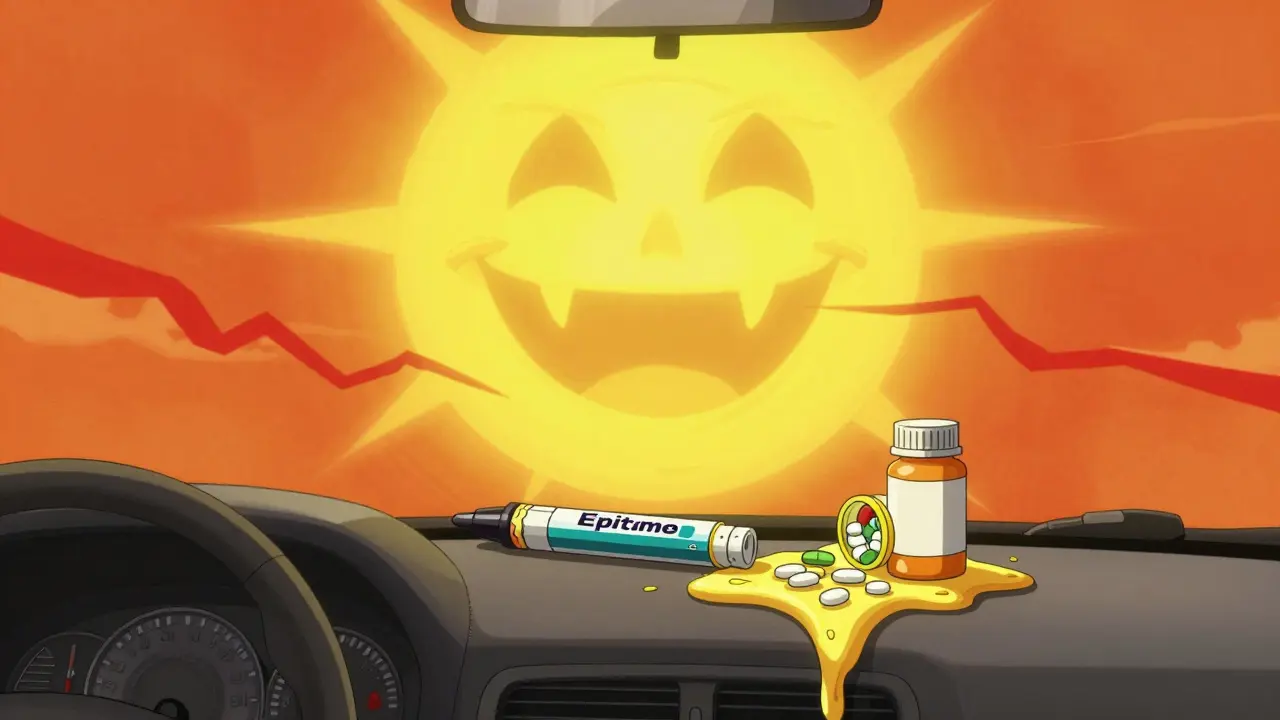
If you use an EpiPen, you should be especially careful. These devices can have a mechanical failure rate of 15-20% if they are kept in temperatures above 30°C for too long. In a life-or-death allergic reaction, a failed device is a catastrophe. Similarly, asthma inhalers can actually explode if they hit 49°C (120°F) because the propellant inside expands too much.
The "Danger Zones" in Your Home
You might be storing your meds in the worst possible places without realizing it. The two most common culprits are the bathroom and the kitchen.
- The Bathroom: This is the most common mistake. When you take a hot shower, the humidity spikes to 70-90%. This steam penetrates plastic bottles and degrades the medication.
- The Kitchen: Storing meds near the stove or oven exposes them to heat that can easily exceed 32°C. Even a sunny windowsill can act like a magnifying glass, cooking your pills.
- The Car: Never leave medication in a parked car. On a sunny day, the interior can hit 60°C (140°F), which can destroy almost any pharmaceutical product in a matter of hours.
How to Spot a Damaged Medication
Since you can't always tell if a drug has lost its potency just by looking at it, you have to be a detective. Look for these red flags:
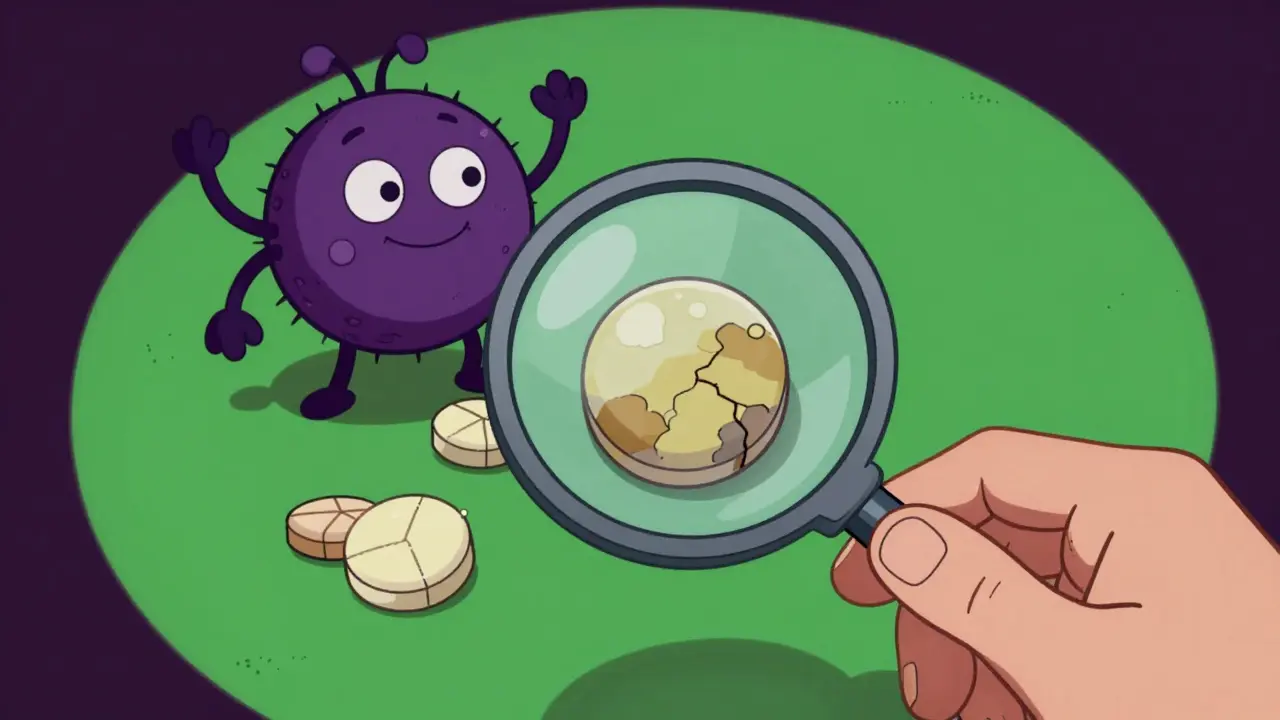
- Color Shifts: If your white tablets are turning yellow or brown, they've likely oxidized.
- Texture Changes: Tablets that feel soft, sticky, or crumble easily are often victims of humidity.
- Smell: An unusual or strong odor (like the vinegar smell of old aspirin) is a sign of chemical breakdown.
- Capsule Damage: If capsules look cracked, chipped, or have a "melted" appearance, throw them away.
Best Practices for Safe Storage
To make sure your medication actually works when you need it, follow these simple rules. The goal is to keep things cool, dry, and dark.
First, stick to a temperature range of 15-25°C (59-77°F) and keep humidity below 60%. The best place is usually a dedicated drawer in a bedroom or a cool closet far away from pipes or heating vents.
If you're traveling, don't take the whole bottle. Only pack the amount you need for the trip and keep them in a secure, temperature-stable bag. For sensitive items like insulin, invest in specialized pharmacy cool packs. These are much safer than just throwing a bottle in a bag with an ice pack, which could actually freeze the medication (another way to ruin it).
Always keep medications in their original containers. Those bottles aren't just for labels; they are designed to provide a specific level of protection against light and air. Keep the caps tightened firmly to lock out moisture.
The Real-World Risks of Using Degraded Meds
Is it really a big deal if a pill is a little less potent? In some cases, yes. If you're taking a vitamin, it's not a disaster. But for life-saving drugs, it's a massive risk.
Imagine someone having a heart attack and using degraded Nitroglycerin that doesn't work. Or a diabetic patient whose insulin has lost 20% of its strength, leading to uncontrolled blood sugar and a trip to the ER. Even antibiotics can be a problem; if the dose is too low because the drug degraded, it might not kill the infection, which can actually help create antibiotic-resistant "superbugs."
Can I just keep all my medicine in the fridge to be safe?
No. While some meds require refrigeration, others can be damaged by excessive cold or the high humidity levels found in some refrigerators. Always follow the specific storage instructions on the label or the package insert.
Does the "expiration date" account for heat?
The date is a guarantee based on "recommended storage conditions." If the medicine was exposed to extreme heat or humidity, it can expire chemically long before the date printed on the box.
What should I do if I accidentally left my meds in a hot car?
Check for visual changes like color or texture. However, since many chemical changes are invisible, the safest bet is to call your pharmacist, tell them the drug and the conditions it was exposed to, and ask if it needs to be replaced.
Why is the bathroom the worst place for medicine?
Bathrooms experience extreme swings in both temperature and humidity every time someone showers. This moisture can penetrate containers and break down the chemical bonds of the medication.
Are generic drugs more prone to heat damage than brand names?
Not necessarily. Both are subject to the same chemical laws. However, the quality of the packaging (like the type of plastic or the use of desiccants) can vary, which might affect how well they resist humidity.