
Statin Side Effects: What You Need to Know Before You Stop Taking Them
When you take a statin, a class of cholesterol-lowering drugs used to prevent heart attacks and strokes. Also known as HMG-CoA reductase inhibitors, they’re among the most prescribed medications in the world because they work — but not without trade-offs. Millions of people rely on them, but many quit because of side effects they don’t understand. The good news? Most side effects aren’t dangerous. The bad news? Some are ignored until it’s too late.
One of the most common complaints is muscle pain, a dull ache or weakness that often shows up in the thighs or shoulders. Also known as myalgia, it affects up to 10% of users, but only 0.1% develop the serious condition rhabdomyolysis. If your pain is mild and goes away after a few days, it’s likely not a reason to stop. But if you feel deep soreness, dark urine, or can’t lift your arms, call your doctor — that’s not normal. Another frequent concern is higher blood sugar, a small but real risk that can push prediabetics into full diabetes. Also known as statin-induced diabetes, it’s more likely in people already at risk — overweight, older, or with family history. But here’s the catch: the heart protection statins offer usually outweighs this risk. For someone with high cholesterol and a history of heart disease, skipping statins is far more dangerous than managing a slight rise in blood sugar.
Less talked about but just as important is liver enzyme elevation, a lab result that scares patients but rarely means real damage. Also known as transaminitis, it shows up on blood tests in about 1-3% of users. Most of the time, it’s temporary and doesn’t require stopping the drug. Your doctor will check your liver numbers after a few weeks — if they’re just slightly high and you feel fine, you’re probably fine too. Other side effects like brain fog, memory issues, or digestive upset are often blamed on statins, but studies show they’re no more common than in people taking a placebo. That doesn’t mean they don’t happen — just that they’re not always caused by the drug.
What you won’t find in most doctor’s offices is a clear plan for what to do if side effects hit. You’re told to take the pill, then left to guess whether the ache in your leg is normal or a red flag. That’s why this collection of posts matters. You’ll find real stories and practical advice on how to tell the difference between annoying and dangerous side effects, how to work with your doctor to adjust your dose or switch to another statin, and what alternatives like ezetimibe or PCSK9 inhibitors actually offer. You’ll also see how some people manage muscle pain with CoQ10, how others switch to lower-dose regimens, and why quitting cold turkey is rarely the answer.
Statin side effects are real — but they’re not a reason to stop treatment without a plan. The goal isn’t to avoid all discomfort. It’s to stay healthy long-term without sacrificing your quality of life. Below, you’ll find the tools to make that call with confidence — not fear.
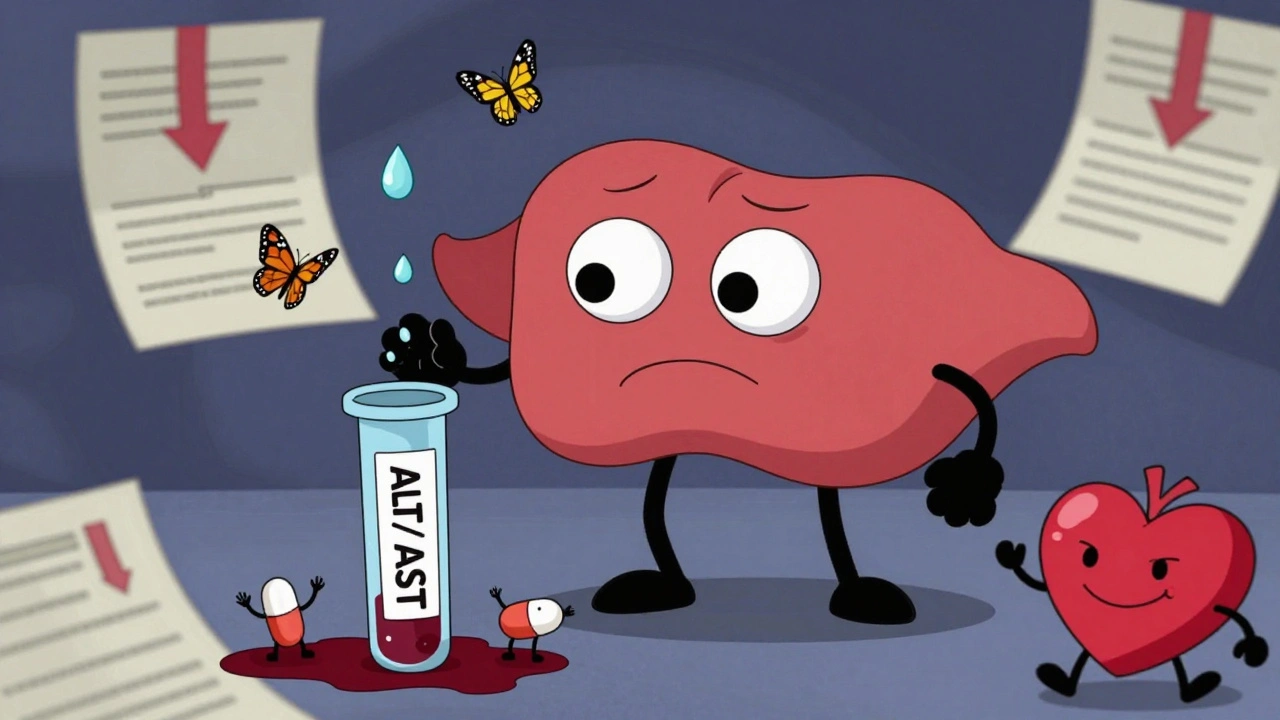
Statin-Related Liver Problems: What You Need to Know About Elevated Liver Enzymes
Statin-related liver enzyme elevations are common but rarely dangerous. Learn when to worry, which statins are safest, and why stopping your medication over mild enzyme spikes could put your heart at risk.
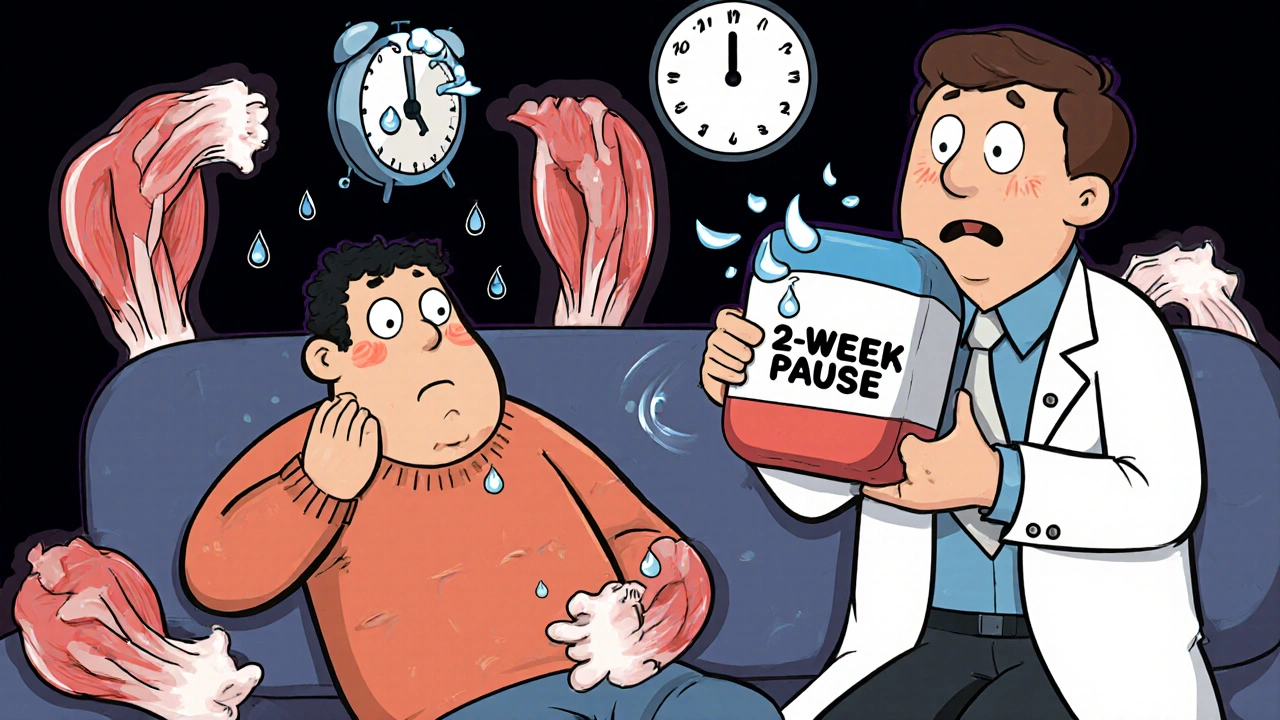
Statin Intolerance Clinics: How Structured Protocols Help Patients Tolerate Cholesterol Medication
Statin intolerance clinics use structured protocols to help patients who experience muscle side effects from cholesterol meds. Learn how rechallenge, intermittent dosing, and non-statin options can get you back on effective treatment.