
Medication Adherence: Why Sticking to Your Prescribed Treatment Matters
When you take your medicine exactly as your doctor ordered, you’re practicing medication adherence, the consistent and correct use of prescribed drugs according to the recommended schedule, dosage, and duration. Also known as drug compliance, it’s not just a medical term—it’s the difference between feeling better and getting sicker. Many people think if they take their pills most of the time, it’s good enough. But missing even a few doses can undo weeks of progress, especially with drugs for high blood pressure, diabetes, depression, or epilepsy.
Why does this happen? Sometimes it’s the side effects—like dizziness from a beta blocker or stomach upset from an antibiotic. Other times, it’s cost, confusion over dosing schedules, or just plain forgetfulness. side effect management, how you handle unpleasant reactions without stopping your treatment plays a huge role. If you’re told to just "live with" nausea or fatigue, you might quit. But smart strategies—like timing doses with meals or switching to a different drug—can keep you on track. And treatment success, the measurable outcome of following a medication plan over time isn’t just about symptoms disappearing. It’s about preventing hospital visits, avoiding complications, and keeping your life on track.
Looking at the posts here, you’ll see real-world examples of how people navigate these challenges. From tapering opioids without triggering withdrawal, to understanding why long-term omeprazole can drain your vitamin B12, to comparing blood pressure meds that actually fit your lifestyle—these aren’t abstract guides. They’re practical tools built by people who’ve been there. You’ll find out how to tell if a side effect is normal or dangerous, how to store your meds so they don’t lose power, and why some drugs work better for your body than others. There’s no one-size-fits-all fix for medication adherence, but there are proven ways to make it easier. What you’re about to read isn’t theory—it’s what works when you’re trying to stay healthy, one pill at a time.
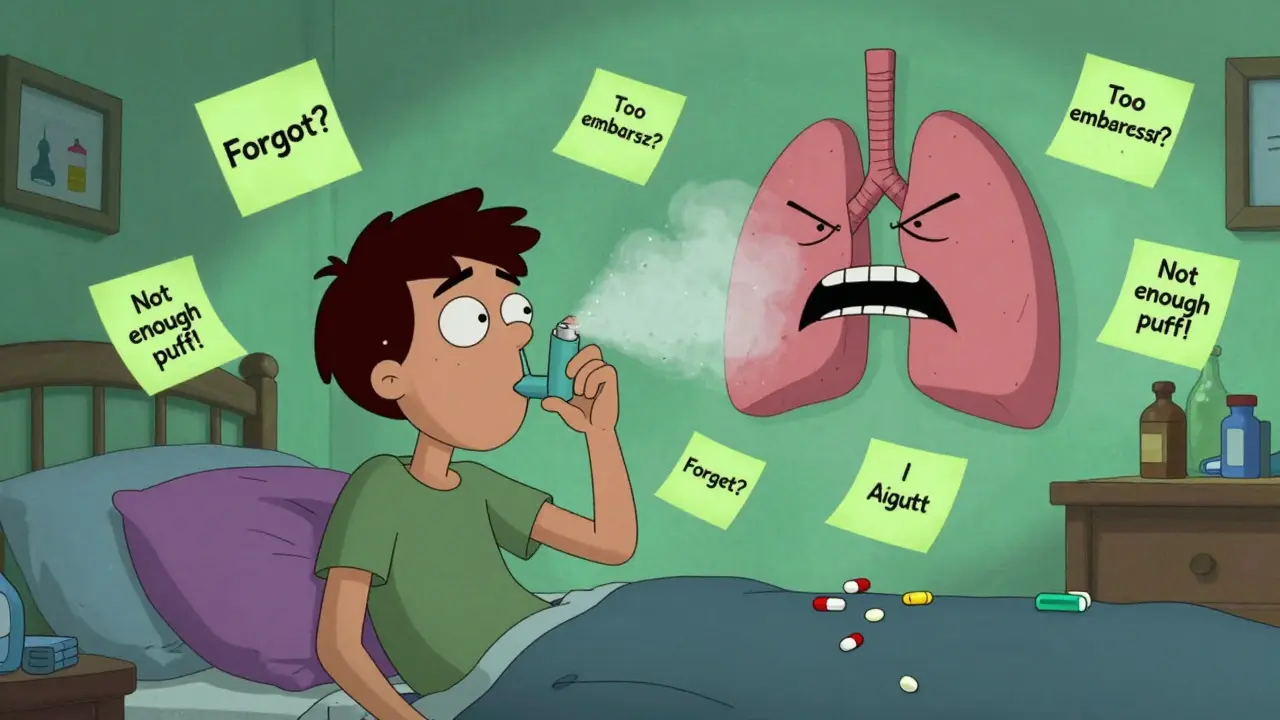
How to Improve Adherence for Inhalers, Patches, and Injectables
Learn practical, evidence-backed ways to improve adherence for inhalers, patches, and injectables. From low-tech hacks to smart tech, discover what actually works-and what doesn’t-for better health outcomes.
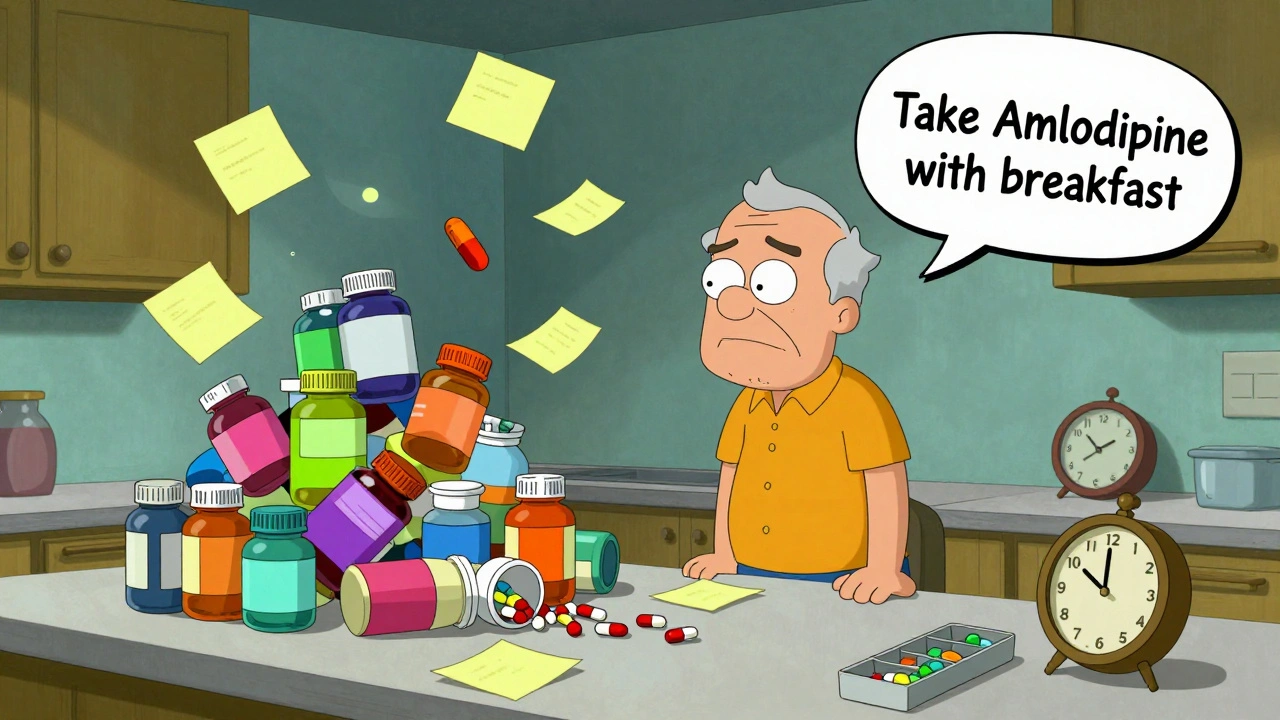
Medication Adherence Challenges for Older Adults: Simple Solutions That Work
Most older adults take multiple medications, but nearly half don't take them as prescribed. Learn the real reasons why - from cost and complexity to isolation - and discover simple, proven solutions that actually work.
Placebo Effect and Generics: How Psychology Affects Your Medication Results
Generic drugs are chemically identical to brand-name versions, but many people feel they don't work as well. This isn't about chemistry - it's about psychology. Learn how the placebo effect shapes your experience with generics.