
Rhythm Control: How Medications and Strategies Manage Irregular Heartbeats
When your heart skips, races, or flutters unpredictably, you're dealing with an rhythm control, a medical strategy to restore and maintain a normal heart rhythm. Also known as cardiac rhythm management, it’s not just about slowing the heart—it’s about getting it back in sync so it can pump blood efficiently. This isn’t just for older adults. People in their 30s and 40s with atrial fibrillation, the most common type of irregular heartbeat, are increasingly seeking rhythm control to avoid long-term damage.
Doctors choose rhythm control over simple heart rate control when symptoms are severe or when the irregular rhythm is likely to cause stroke or heart failure. It often starts with antiarrhythmic drugs, medications designed to stabilize the heart’s electrical signals like amiodarone, flecainide, or sotalol. But these aren’t magic pills—they come with risks, including new arrhythmias or liver damage. That’s why many patients end up in clinics that specialize in atrial fibrillation, a condition where the upper chambers of the heart beat chaotically, increasing stroke risk and testing how well their body tolerates treatment.
Rhythm control doesn’t always mean pills. For some, a procedure like catheter ablation—where a thin tube zaps the heart tissue causing the misfire—can be more effective than years of medication. Others need a pacemaker or even a shock device. The key is matching the method to the person: age, heart structure, other health issues, and even how much the fluttering affects daily life. A 70-year-old with mild symptoms might do fine with rate control alone, while a 50-year-old athlete might need aggressive rhythm control to get back to running.
What you’ll find in the posts below isn’t just theory. It’s real-world guidance on how drugs interact with other meds, what side effects to watch for, and how to tell if your treatment is working—or if it’s doing more harm than good. You’ll see how statin users sometimes face new rhythm issues, how diabetes meds can affect heart signals, and why skipping a pill can trigger a crisis. This isn’t about guessing. It’s about knowing what works, what to avoid, and when to push back on your doctor’s plan.
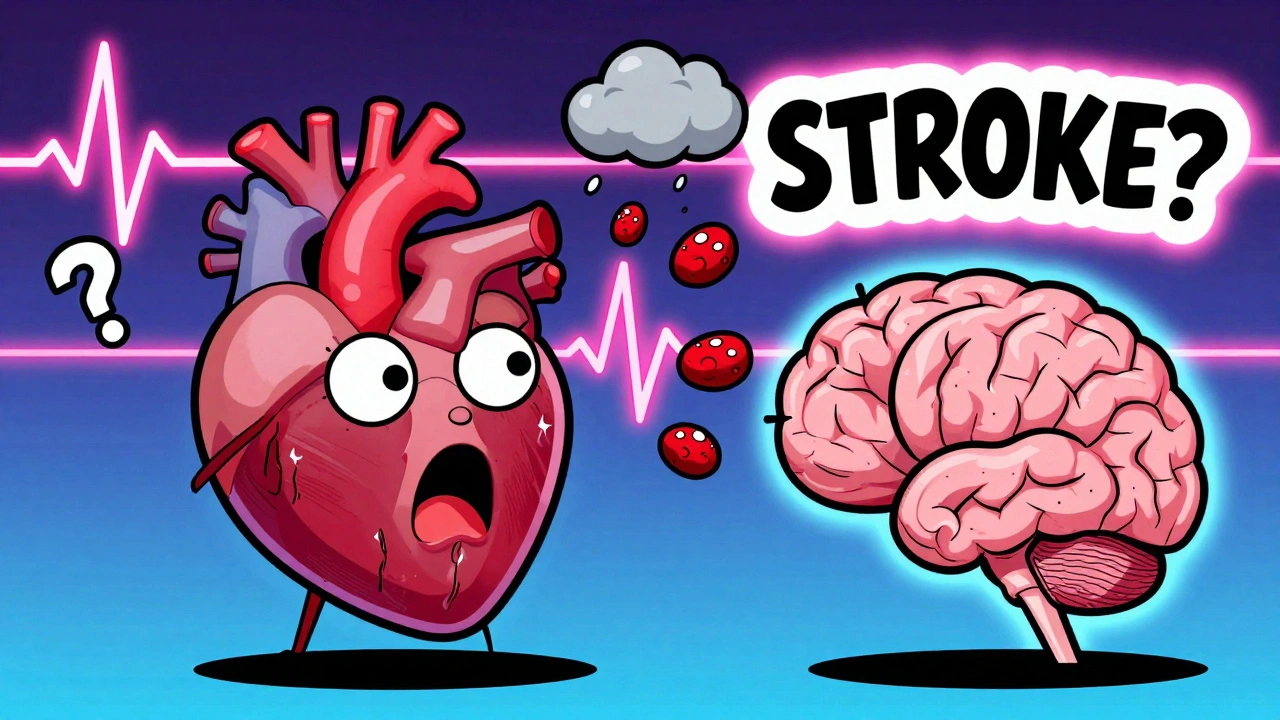
Atrial Fibrillation: Rate vs. Rhythm Control and Stroke Prevention
Learn how rate control and rhythm control strategies for atrial fibrillation impact stroke prevention, quality of life, and long-term outcomes. Updated with 2023 guidelines and latest clinical evidence.