
Pill Management: How to Stay Safe, Organized, and In Control of Your Medications
When you’re juggling multiple prescriptions, pill management, the system of organizing, tracking, and safely taking your medications. Also known as medication management, it’s not just about remembering your daily dose—it’s about avoiding dangerous mix-ups, spotting side effects early, and making sure your drugs actually work the way they should. Think of it like balancing a checklist where one wrong move can mess up your health. Many people think if they take their pills on time, they’re doing fine. But pill management goes deeper: it’s knowing which meds interact with food, when to split doses, how to store them safely, and what to do when you run out or feel worse after starting something new.
It’s not just about the pills themselves—it’s about the tools and habits around them. A pill organizer, a physical or digital system used to sort medications by time and day can prevent double-dosing or skipping doses, especially for older adults or those on five or more drugs. But even the best organizer won’t help if you don’t understand drug interactions, when two or more medications, supplements, or foods change how each other works in your body. For example, taking Ginkgo Biloba with blood thinners like warfarin can cause bleeding. Or eating a high-protein meal right before levodopa can cut its effectiveness by half. These aren’t rare cases—they’re everyday risks hidden in plain sight. And then there’s medication safety, the practice of preventing harm from medications through proper use, disposal, and monitoring. That’s why National Prescription Drug Take-Back Days exist: to keep unused pills out of kids’ medicine cabinets and rivers. It’s also why you need to know the difference between a mild rash and anaphylaxis, or why stopping a statin over a small liver enzyme spike might be riskier than keeping it.
You don’t need to be a pharmacist to manage your meds well. You just need to ask the right questions: Is this pill safe with my other ones? Should I take it with food or on an empty stomach? What happens if I miss a dose? Can I split it? Where do I safely throw out the leftovers? The posts below cover exactly these real-world situations—how to handle opioid tapers without withdrawal, why some generics feel different even though they’re chemically the same, how to avoid acetaminophen overdose from combo painkillers, and what to do when your insurance denies coverage. Whether you’re managing asthma during pregnancy, dealing with statin side effects, or just trying not to mix up your blood pressure pills with your diabetes meds, this collection gives you the straight facts—not fluff, not marketing, just what you need to stay safe and in control.
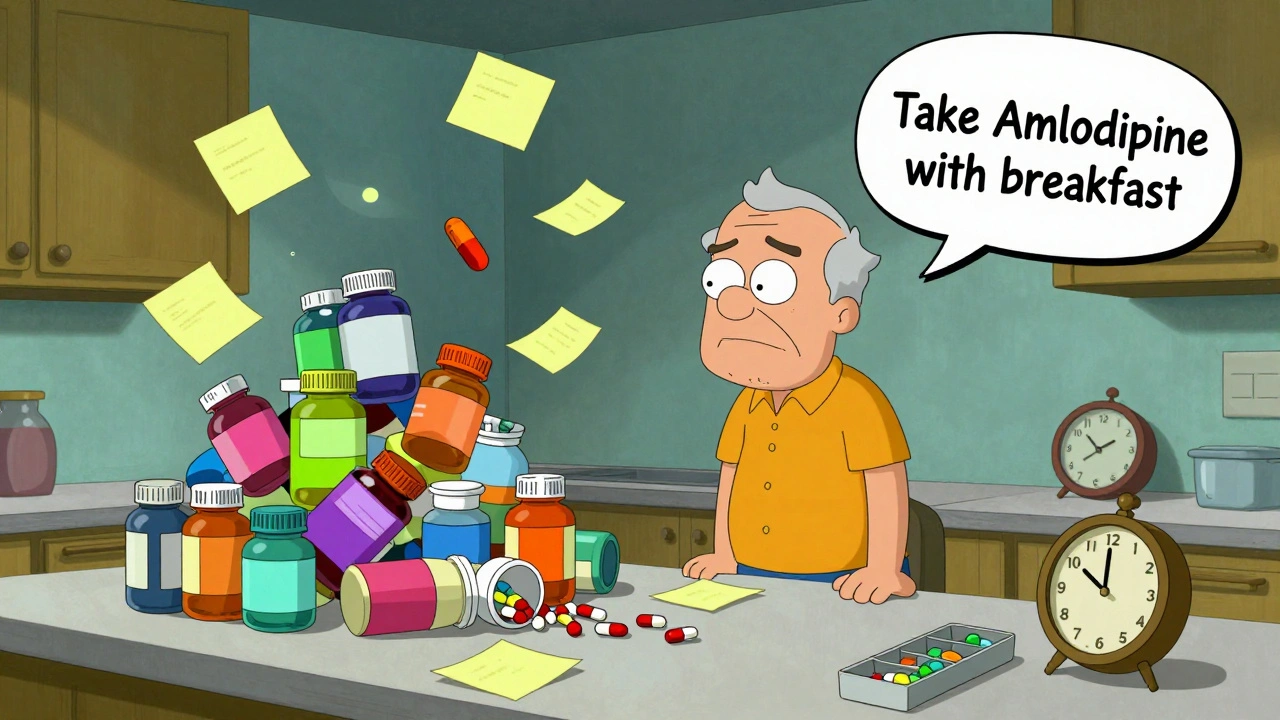
Medication Adherence Challenges for Older Adults: Simple Solutions That Work
Most older adults take multiple medications, but nearly half don't take them as prescribed. Learn the real reasons why - from cost and complexity to isolation - and discover simple, proven solutions that actually work.