
Opioid Withdrawal Symptoms: What to Expect and How to Cope
When someone stops taking opioids after regular use, their body goes through a physical adjustment called opioid withdrawal, the set of physical and emotional reactions that occur when opioid use is reduced or stopped. This isn't just feeling sick—it's your nervous system recalibrating after being overstimulated by drugs like oxycodone, hydrocodone, heroin, or fentanyl. Also known as opioid detox, this process can feel overwhelming, but it's a necessary step toward recovery.
Opioid withdrawal symptoms usually start within 6 to 12 hours after the last dose, peak around day 3, and begin to ease after a week. Common signs include muscle aches, restlessness, anxiety, sweating, runny nose, yawning, nausea, vomiting, diarrhea, and insomnia. Some people also experience intense cravings, mood swings, and depression. These aren’t signs of weakness—they’re biological responses. Your brain has adapted to the presence of opioids, and when they’re gone, it takes time to find balance again. While these symptoms are rarely life-threatening, they’re strong enough to push many people back to using just to feel normal. That’s why medical support matters.
Managing opioid dependence, a condition where the body relies on opioids to function normally isn’t about willpower alone. It’s about understanding the timeline, knowing what helps, and having the right tools. Medications like methadone, buprenorphine, and naltrexone can ease symptoms and reduce cravings, making it easier to focus on healing. Support systems—whether through counseling, peer groups, or family—play a huge role in keeping people on track. You don’t have to go through this alone, and you don’t have to power through it without help.
Many of the posts here cover related topics that matter when dealing with opioid withdrawal: how to handle tough side effects from other medications, how psychological factors influence recovery, and how to make smart choices when your body is in flux. You’ll find real-world advice on managing discomfort, recognizing warning signs, and staying safe during recovery. Whether you’re asking for yourself, a loved one, or just trying to understand, the information here is practical, grounded, and focused on what actually works.
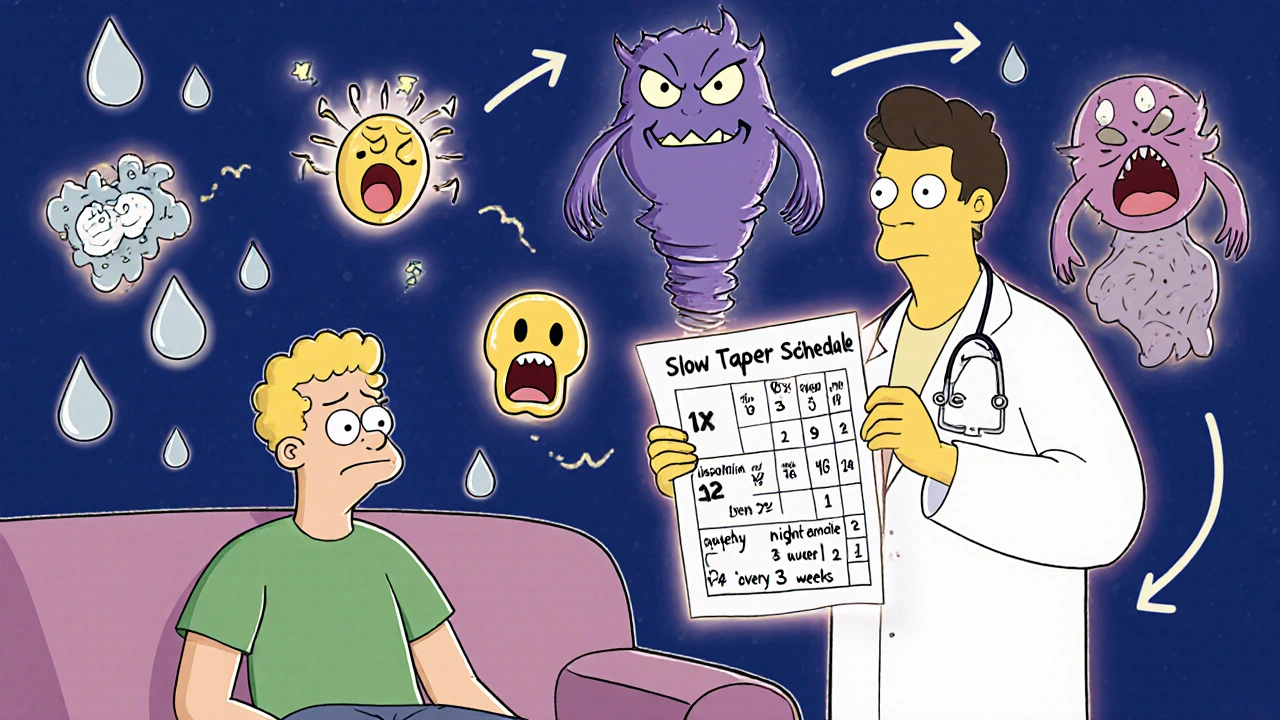
Tapering Opioids Safely: How to Reduce Side Effects and Avoid Withdrawal
Learn how to safely reduce opioid use with a slow, personalized taper to avoid severe withdrawal and dangerous side effects. Evidence-based strategies for managing pain and improving quality of life.