
Opioid Tapering: Safe Ways to Reduce Dependence and Manage Withdrawal
When you’ve been taking opioids for pain, stopping isn’t as simple as just quitting. opioid tapering, a gradual, planned reduction in opioid dosage to minimize withdrawal and avoid relapse. Also known as opioid weaning, it’s a medical strategy used when long-term use no longer provides clear benefits or when risks outweigh rewards. This isn’t about willpower—it’s about biology. Your body adapts to the drug over time, and sudden stops can trigger nausea, anxiety, muscle aches, and insomnia. A slow, guided taper gives your nervous system time to readjust without crashing.
Many people start opioid tapering after years of use for chronic back pain, arthritis, or post-surgery recovery. But not everyone needs it. Some stay on low doses safely for years. The key is knowing when to stop. If your pain is stable but you’re feeling foggy, depressed, or need higher doses just to feel normal, tapering might be the right step. opioid withdrawal, the physical and emotional symptoms that occur when reducing or stopping opioids after regular use can be uncomfortable, but it’s rarely life-threatening—unlike alcohol or benzodiazepine withdrawal. Still, it’s not something to try alone. Doctors use tools like the Clinical Opiate Withdrawal Scale to track symptoms and adjust the pace. A typical taper might drop your dose by 10% every 1–2 weeks, but some need slower drops, especially if they’ve been on high doses for years.
What makes opioid tapering work isn’t just the schedule—it’s the support around it. pain management, a multidisciplinary approach to reducing pain without relying solely on opioids becomes essential during this phase. Physical therapy, mindfulness, acupuncture, or even low-dose antidepressants can help fill the gap left by reduced opioids. Many people also turn to addiction recovery, a long-term process of rebuilding life after dependence, often involving counseling and peer support. Support groups like SMART Recovery or Narcotics Anonymous aren’t just for people with severe addiction—they help anyone who wants to feel in control again.
You’ll find posts here that cover how side effects from other meds can make tapering harder, how psychology affects your experience with pain relief, and what to do when withdrawal symptoms feel overwhelming. Some articles compare pain relievers like ketorolac or acetaminophen as alternatives during tapering. Others explain how mood stabilizers or antidepressants might help with the emotional side of reducing opioids. There’s no one-size-fits-all plan, but you’re not starting from scratch. People have done this before—and with the right pace and support, you can too.
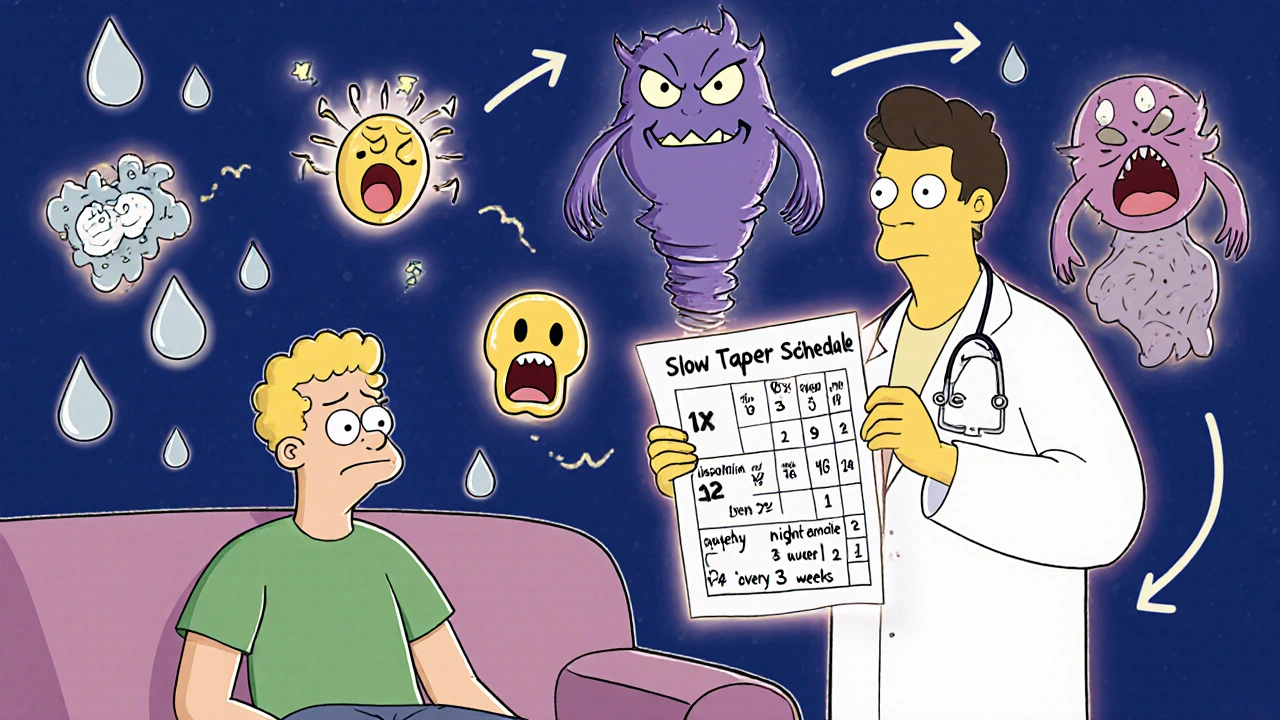
Tapering Opioids Safely: How to Reduce Side Effects and Avoid Withdrawal
Learn how to safely reduce opioid use with a slow, personalized taper to avoid severe withdrawal and dangerous side effects. Evidence-based strategies for managing pain and improving quality of life.