
Opioid Side Effects: What You Need to Know Before Taking or Tapering
When you take opioids, a class of powerful pain-relieving drugs that include oxycodone, hydrocodone, morphine, and fentanyl. Also known as narcotics, they work by binding to receptors in your brain and spinal cord to block pain signals. But they don’t just stop pain—they change how your body and brain function. Even when taken exactly as prescribed, opioid side effects are common and can be serious. Drowsiness, constipation, nausea, and dizziness happen in most users. But deeper risks like slowed breathing, tolerance, and dependence can build quietly over time.
One of the biggest dangers isn’t just the high—or even addiction. It’s how your body adapts. Over weeks or months, you might need more of the drug to feel the same relief. That’s tolerance. Then comes physical dependence: your body starts relying on the drug to feel normal. If you stop suddenly, opioid withdrawal, a set of physical and emotional symptoms that occur when someone who is dependent on opioids stops taking them kicks in. Think muscle aches, insomnia, diarrhea, vomiting, and intense anxiety. It’s not just uncomfortable—it can feel like your body is falling apart. That’s why opioid tapering, a slow, medically supervised process of reducing opioid dosage to avoid withdrawal is so critical. You don’t just quit. You plan. You adjust. You work with your doctor to lower the dose just enough to stay safe, not just to stop.
And it’s not just about the drug itself. Many people don’t realize how opioid dependence, a condition where the body adapts to the presence of opioids and requires them to function normally affects daily life. It can blur the line between pain relief and emotional escape. People start taking pills not just for pain, but to feel calm, to sleep, to escape stress. That’s when the risk of misuse grows. And when that happens, side effects multiply—mental fog, mood swings, loss of motivation, even depression. These aren’t just side effects. They’re warning signs.
The good news? You’re not alone. Many people manage chronic pain with opioids safely. Many others successfully reduce or stop them with the right plan. The posts below give you real, practical advice: how to recognize dangerous side effects, how to talk to your doctor about tapering, what withdrawal really feels like, and how to protect your health while reducing reliance. You’ll find stories from people who’ve been there, and clear steps to follow. No fluff. No fear-mongering. Just what you need to make smarter choices about your body, your meds, and your future.
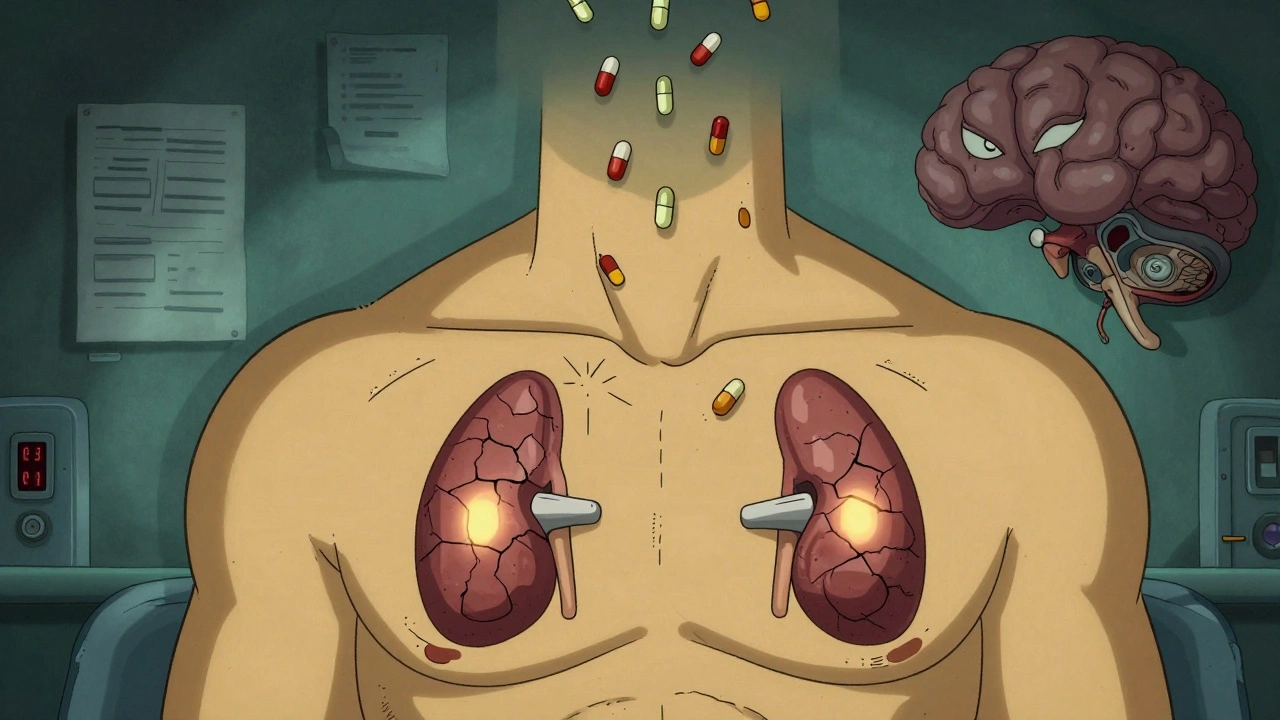
Opioids and Adrenal Insufficiency: A Rare but Life-Threatening Side Effect You Need to Know
Opioid-induced adrenal insufficiency is a rare but life-threatening side effect of long-term opioid use. It suppresses cortisol production and can lead to fatal adrenal crisis if undiagnosed. Learn who’s at risk and how to get tested.