
Medication Timing: When to Take Your Pills for Maximum Safety and Effect
When you take a medication matters just as much as what you take. Medication timing, the specific time of day or conditions under which a drug is taken to optimize its effect and minimize harm. Also known as dosing schedule, it’s not just about remembering your pills—it’s about working with your body’s rhythms, other drugs you’re on, and even what you eat. Take blood pressure meds at night instead of morning? You might lower your risk of heart attack. Take antibiotics with food when you shouldn’t? They won’t absorb right. Skip a dose because you’re running late? That’s how resistant bacteria grow.
Drug interactions, how one medication affects another when taken together, often turn simple timing mistakes into serious problems. Ginkgo Biloba and blood thinners? Taking them together can cause bleeding—but taking them hours apart doesn’t fix it. Omeprazole and vitamin B12? Long-term use blocks absorption, so timing won’t help—you need a supplement. Even something as basic as statins works better at night because your liver makes most cholesterol while you sleep. And if you’re on multiple meds, the order matters. Some need an empty stomach. Others need food to reduce nausea or boost absorption. Mixing them up can turn a life-saving drug into a useless one—or worse.
Pill schedule, a personalized plan for when and how to take each medication daily isn’t a one-size-fits-all checklist. It’s a tool shaped by your condition, other drugs, diet, sleep cycle, and even your daily routine. Someone on insulin needs meals timed to their dose. Someone on thyroid meds can’t drink coffee for an hour after. And if you’re on opioids, a strict schedule prevents withdrawal and keeps pain under control. Skipping or shifting doses isn’t just inconvenient—it’s risky. That’s why clinics now help people with statin intolerance or bipolar disorder build custom timing plans that fit real life, not just textbook rules.
Many people think side effects are just part of the deal. But often, they’re caused by bad timing. Taking metoprolol at night might reduce depression-like symptoms. Taking NSAIDs like ketorolac on an empty stomach can wreck your stomach lining. Even something as simple as taking a diuretic too late in the day means you’re up all night peeing. The right timing turns side effects from unavoidable to avoidable.
And then there’s medication adherence, how consistently and correctly a patient follows their prescribed regimen. It’s not just about remembering. It’s about understanding why. If you don’t know why your pill must be taken at 7 a.m. with water and nothing else, you’ll skip it when you’re in a rush. But when you know it’s because your body absorbs it best then—and that missing it could mean your blood pressure spikes—you’re more likely to stick with it.
Below, you’ll find real-world guides on how timing affects everything from blood pressure pills and diabetes meds to herbal supplements and painkillers. You’ll learn when to take omeprazole to avoid B12 loss, why Ginkgo Biloba can’t be mixed with warfarin no matter the hour, and how to space out your meds so they work without clashing. No fluff. No guesswork. Just clear, practical info to help you take your meds right—every single time.

Timing Medication Doses: How Administration Time Affects Side Effects
When you take your medication matters just as much as what you take. Timing can reduce side effects, boost effectiveness, and even save lives-especially for statins, blood pressure pills, insulin, and anticoagulants.
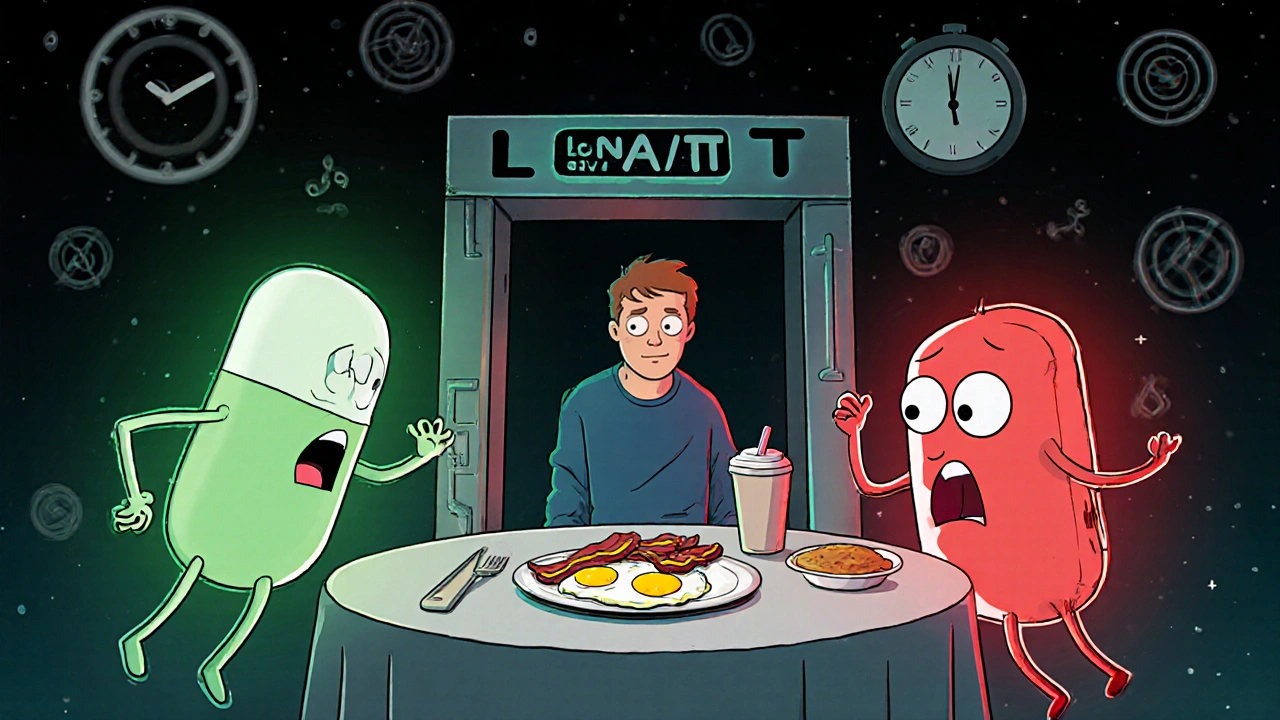
Protein-Rich Foods and Medications: How Diet Affects Absorption and Effectiveness
Protein-rich meals can reduce medication absorption by up to 50%, especially for drugs like levodopa. Learn how timing and protein redistribution improve effectiveness without cutting protein from your diet.