
HPA Axis Suppression: What It Is, Why It Matters, and How Medications Cause It
When you take steroid medications like prednisone or inhaled corticosteroids for months or years, your body can forget how to make its own cortisol. This is called HPA axis suppression, a condition where the hypothalamus-pituitary-adrenal axis stops signaling properly due to external steroid exposure. Also known as cortisol suppression, it doesn’t mean your adrenal glands are damaged—they’re just silenced. And when they’re quiet, your body can’t respond to stress, infection, or injury like it should.
This isn’t rare. People using inhaled steroids for asthma, topical creams for eczema, or oral steroids for autoimmune conditions are all at risk. The longer you’re on them—and the higher the dose—the more likely your HPA axis will slow down. It’s not a side effect you’ll feel right away. You won’t suddenly feel tired or dizzy. But if you stop the meds too fast, your body won’t have the cortisol it needs to keep going. That’s when things get dangerous: low blood pressure, nausea, confusion, even shock. Adrenal insufficiency, the clinical result of HPA axis suppression, can be life-threatening if not recognized. And it’s often mistaken for fatigue or depression.
What makes this tricky is that many doctors don’t test for it unless you’re in crisis. But if you’ve been on steroids for more than three weeks, especially at doses above 7.5 mg of prednisone daily, you should know your risk. Long-term steroid use, the main driver of HPA axis suppression, requires careful planning for tapering. You can’t just quit. You need a slow, personalized plan—sometimes over months—to let your adrenal glands wake up again. This isn’t about avoiding steroids. It’s about using them wisely and knowing when to come off safely.
The posts below cover real cases and practical advice from people who’ve dealt with this. You’ll find guides on tapering steroids safely, recognizing hidden signs of adrenal fatigue, and how to talk to your doctor about alternatives. Some posts show how asthma inhalers, though safer than pills, can still cause suppression if overused. Others explain why some patients need blood tests to check cortisol levels before stopping treatment. You’ll also see how diet, stress, and other meds can make suppression worse—or better. This isn’t theory. It’s what happens when your body’s natural balance gets turned off—and how to turn it back on.
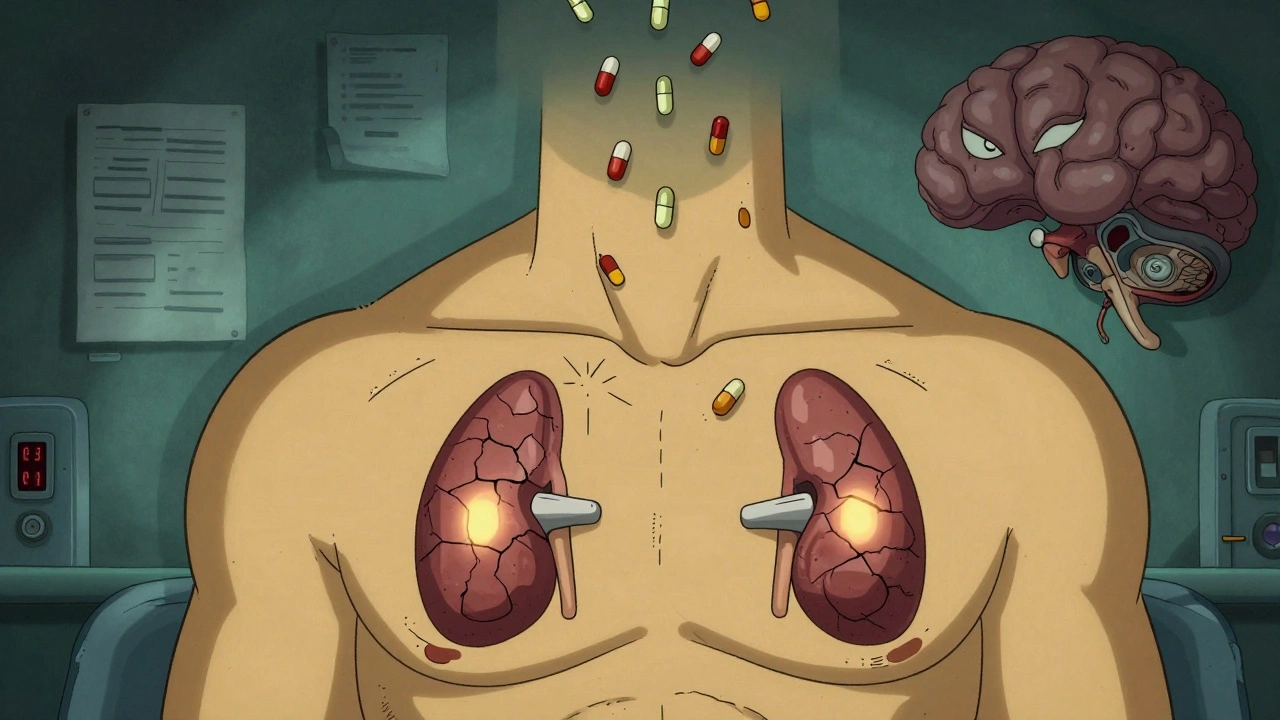
Opioids and Adrenal Insufficiency: A Rare but Life-Threatening Side Effect You Need to Know
Opioid-induced adrenal insufficiency is a rare but life-threatening side effect of long-term opioid use. It suppresses cortisol production and can lead to fatal adrenal crisis if undiagnosed. Learn who’s at risk and how to get tested.