
Combination Painkillers: What They Are, How They Work, and Which Ones to Watch
When you need more than a single pain reliever, doctors sometimes turn to combination painkillers, medications that blend two or more active ingredients to target pain from multiple angles. Also known as fixed-dose analgesics, these drugs are designed to give stronger relief than either component alone—often used for injuries, post-surgery pain, or chronic conditions like arthritis. But they’re not just stronger—they come with more risks, and not everyone knows how to use them safely.
Most combination painkillers, typically pair an opioid like codeine or oxycodone with a non-opioid like acetaminophen or ibuprofen. For example, Percocet mixes oxycodone with acetaminophen, while Vicodin combines hydrocodone with acetaminophen. These aren’t random blends—they’re built on the idea that blocking pain signals in the brain (via the opioid) while reducing inflammation and lowering fever (via the non-opioid) gives better results. But here’s the catch: the non-opioid part can be just as dangerous as the opioid. Too much acetaminophen? That’s liver damage. Too much ibuprofen or naproxen? That’s stomach bleeding or kidney trouble. And because these drugs are often prescribed together, people forget they’re already getting a high dose of the non-opioid in another medicine they’re taking—like a cold pill or a sleep aid.
Not all combination painkillers are created equal. Some, like ketorolac, a potent NSAID often used short-term for acute pain, are rarely combined with opioids because their risks stack up too quickly. Others, like acetaminophen, the most common partner in these combos, found in over 600 medications, are safe at low doses but can quietly wreck your liver if you don’t track your total intake. Even if you’re only taking one prescription combo, you might be adding more from over-the-counter products without realizing it. That’s why the FDA limits acetaminophen to 3,250 mg per day in combo pills—because more than that, especially over time, raises the risk of sudden liver failure.
And then there’s the opioid part. Even small amounts can lead to dependence, especially with long-term use. Studies show that people who take combination painkillers for more than a few weeks are far more likely to keep using opioids—even after the original pain is gone. That’s why many doctors now avoid these combos unless absolutely necessary, and when they do prescribe them, they set strict limits on duration and dose.
What you’ll find in the posts below isn’t just a list of brand names. It’s real-world insight into how these drugs are used, misused, and sometimes replaced. You’ll see how combination painkillers compare to single-agent options, why some people can’t tolerate them, and what safer alternatives exist—like physical therapy, nerve-targeting meds, or non-drug approaches. You’ll also learn which combinations are being phased out, which ones still have a place in treatment, and how to spot the warning signs before they become emergencies. This isn’t about avoiding pain—it’s about managing it without trading one problem for another.
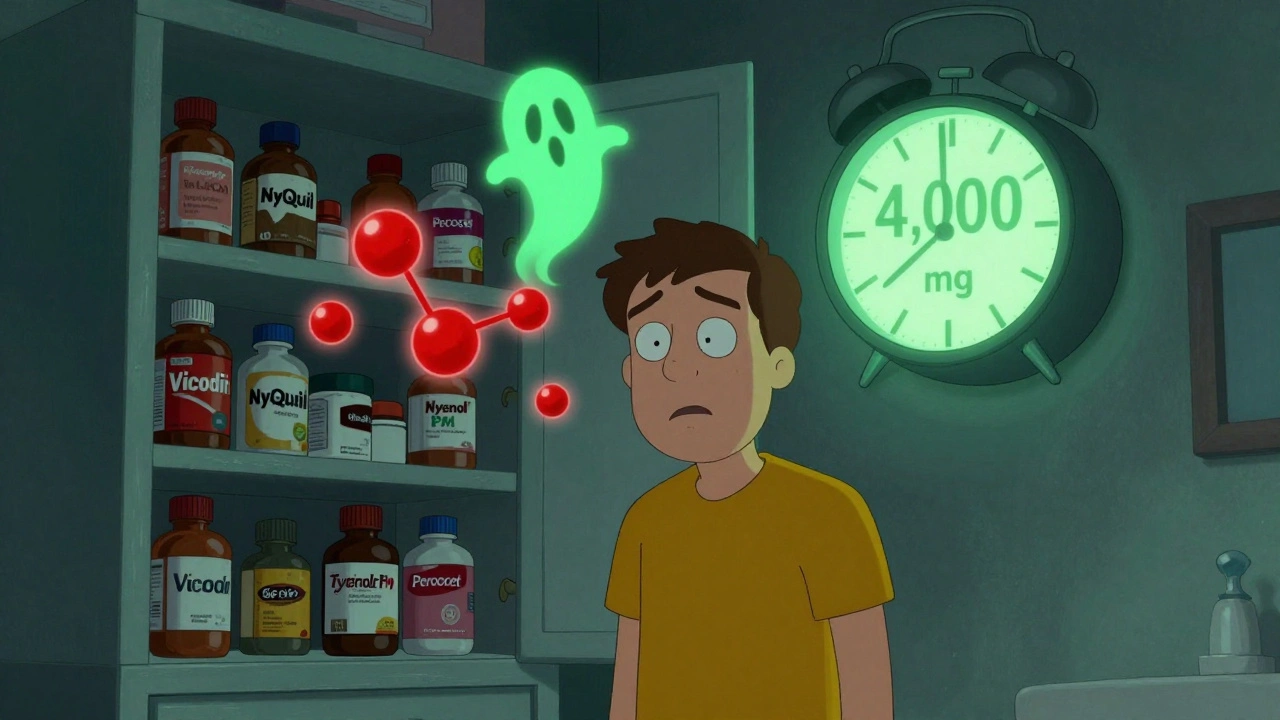
How to Prevent Liver Injury from Acetaminophen Combination Products
Learn how to avoid accidental acetaminophen overdose from combination painkillers like Vicodin and Percocet. Discover the real risks, how to track your dose, and what to do if you’ve taken too much.