
Blood Thinners: What They Are, How They Work, and What You Need to Know
When your blood clots too easily, it can block arteries or veins — leading to stroke, heart attack, or pulmonary embolism. That’s where blood thinners, medications that reduce the risk of dangerous clots by slowing down clotting factors or platelet activity. Also known as anticoagulants or antiplatelets, they don’t actually make your blood thinner — they just keep it from clotting too fast. These drugs are some of the most commonly prescribed in the world, but they’re also among the most misunderstood. Many people think they’re just a simple fix, but choosing the right one, managing side effects, and avoiding dangerous interactions takes real knowledge.
There are two main types: anticoagulants, drugs like warfarin and rivaroxaban that target clotting proteins in the blood, and antiplatelets, medications like clopidogrel (Plavix) and aspirin that stop platelets from sticking together. Anticoagulants are often used for atrial fibrillation or deep vein thrombosis. Antiplatelets are more common after stents or heart attacks. The difference matters — mixing them up can lead to under-treatment or dangerous bleeding. And while newer drugs like apixaban don’t need regular blood tests like warfarin, they still interact with foods, supplements, and other meds. A simple herbal supplement like garlic or ginkgo can turn a safe dose into a medical emergency.
Side effects aren’t rare. Bruising easily, nosebleeds, or blood in your urine aren’t normal — they’re warning signs. But so is stopping the drug without talking to your doctor. Many people quit because they’re scared, only to end up back in the hospital. The key isn’t avoiding risk — it’s managing it. That’s why clinics now offer structured follow-ups, patient education tools, and even apps to track doses and symptoms. And if you’re on a generic version, don’t assume it’s identical in effect. While chemically the same, some patients report differences in how they feel — and psychology plays a real role in that.
What you’ll find below isn’t just a list of articles. It’s a practical guide built from real patient experiences and clinical insights. You’ll see how clopidogrel compares to other antiplatelets, why timing matters when you’re on blood thinners and protein-rich meals, what to do if you have an allergic reaction, and how to safely dispose of old prescriptions. There’s no fluff — just clear, no-nonsense info on what works, what doesn’t, and what you need to ask your doctor next time you’re in the office.
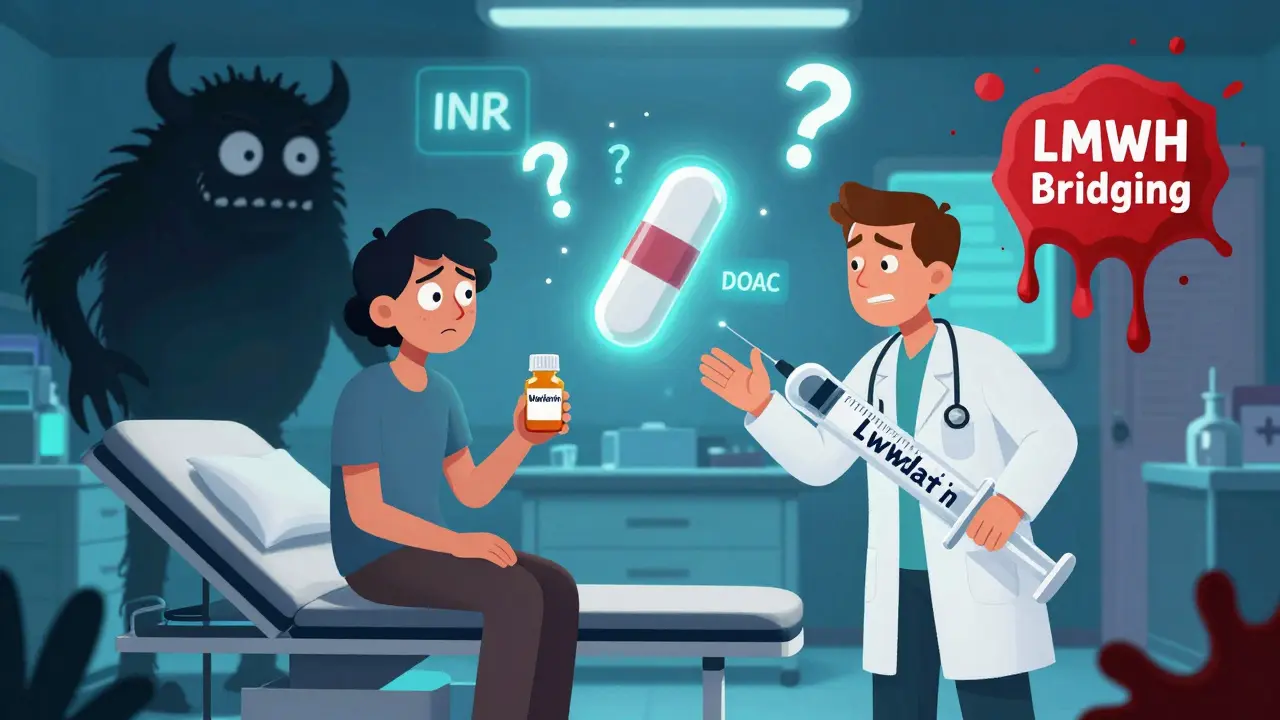
Bridging Therapy: How to Safely Switch Between Blood Thinners
Bridging therapy between blood thinners is no longer routine. Learn when it's truly needed, how DOACs have changed the game, and what steps to take before surgery to stay safe without unnecessary injections.
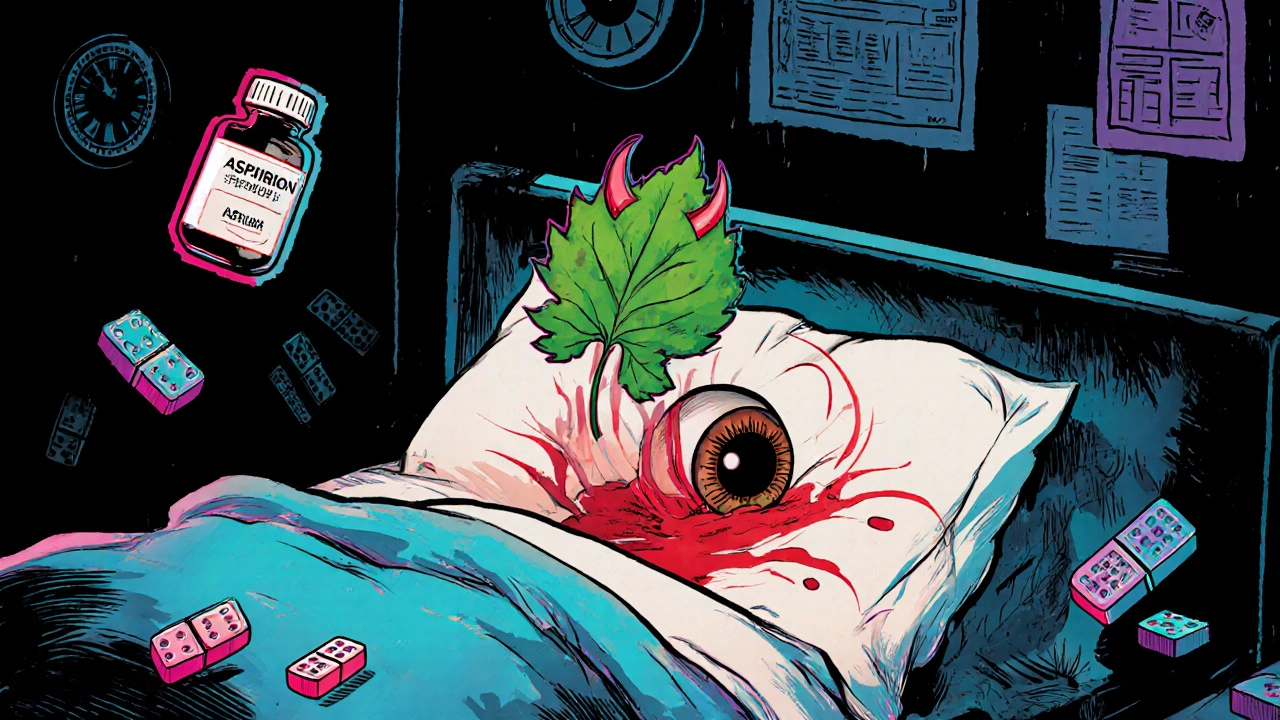
Ginkgo Biloba and Blood Thinners: What You Need to Know About Bleeding Risk
Ginkgo Biloba may seem harmless, but it can dangerously increase bleeding risk when taken with blood thinners like warfarin, aspirin, or Plavix. Real cases of eye and brain bleeds have been documented. Learn who should avoid it and what to do instead.