
Atrial Fibrillation: Causes, Risks, and Medications That Help
When your heart skips, flutters, or races without reason, you might be dealing with atrial fibrillation, an irregular and often rapid heart rhythm that starts in the upper chambers of the heart. Also known as AFib, it doesn’t always cause symptoms—but when it doesn’t get treated, it can lead to blood clots, stroke, or heart failure. About 1 in 4 adults over 40 will develop it at some point, and it’s one of the most common reasons people end up in the ER.
Atrial fibrillation isn’t just about a weird heartbeat. It’s tied to high blood pressure, thyroid problems, sleep apnea, and even heavy alcohol use. Some people get it after heart surgery or with aging. The real danger? Blood pools in the heart’s upper chambers and can form clots. If one breaks loose, it can travel to your brain and cause a stroke. That’s why blood thinners, medications that reduce your body’s ability to form clots like warfarin, apixaban, or rivaroxaban are often prescribed. These aren’t optional—they’re life-saving for many.
But not everyone with AFib needs the same treatment. Some people manage it with heart rhythm medications, drugs that try to restore or control the heart’s normal beat like amiodarone or flecainide. Others need procedures like ablation. And then there’s the issue of side effects. Some rhythm drugs can make your lungs or liver unhappy. Blood thinners can turn a small cut into a big problem. That’s why knowing your own risk—your age, history of stroke, kidney function, and other meds you take—is key.
You’ll also find that AFib often shows up alongside other conditions. People on statins, cholesterol-lowering drugs for heart disease might also have AFib. Those taking NSAIDs, common pain relievers like ibuprofen for arthritis could see their AFib get worse. Even herbal supplements like Ginkgo Biloba, a supplement often used for memory, can interfere with blood thinners and raise bleeding risk. It’s not just about the heart—it’s about how everything in your body connects.
What you’ll find here aren’t just articles about AFib. You’ll see real-world advice on how to stay safe with blood thinners, what to do if your heart starts racing, how to avoid dangerous drug interactions, and why some meds work better for certain people than others. These aren’t theory pages—they’re guides written by people who’ve seen the mistakes, the near-misses, and the wins. Whether you’re newly diagnosed, managing AFib for years, or caring for someone who is, this collection gives you the straight talk you need to make smarter choices every day.
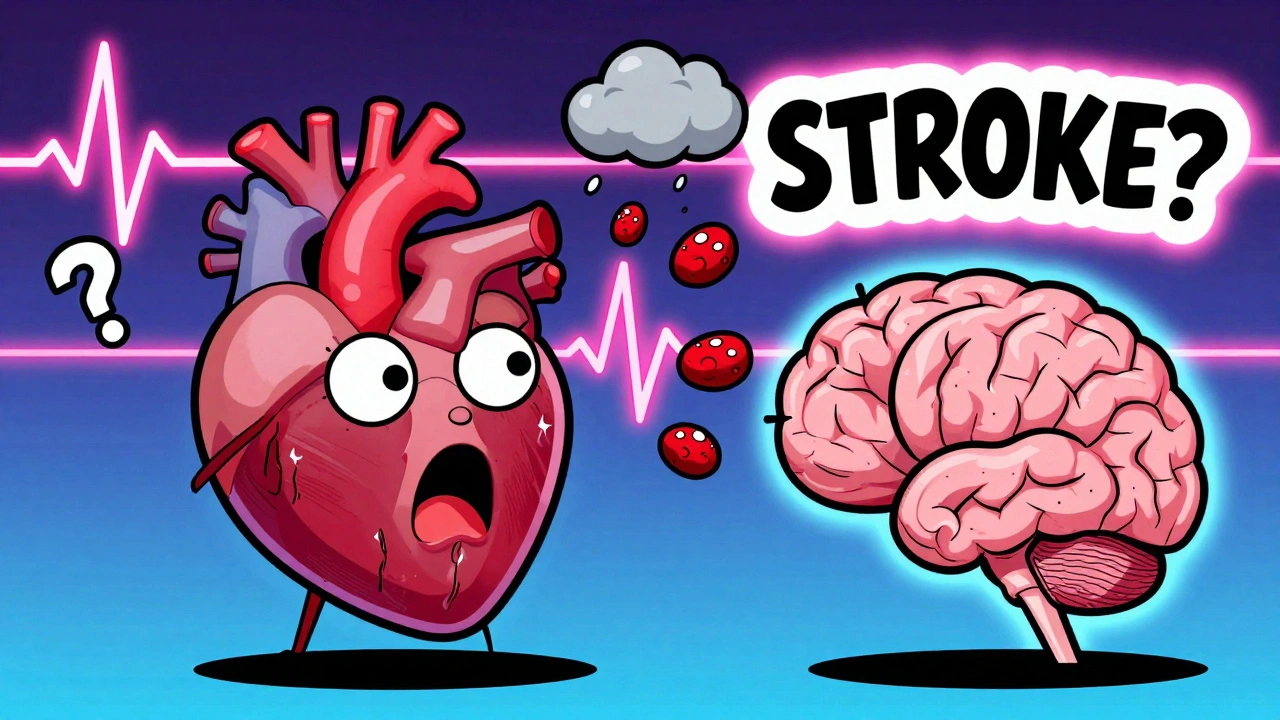
Atrial Fibrillation: Rate vs. Rhythm Control and Stroke Prevention
Learn how rate control and rhythm control strategies for atrial fibrillation impact stroke prevention, quality of life, and long-term outcomes. Updated with 2023 guidelines and latest clinical evidence.