
AFib Treatment: What Works, What to Avoid, and How to Stay Safe
When your heart skips, races, or feels like it’s fluttering instead of beating steady, you might be dealing with atrial fibrillation, a common heart rhythm disorder where the upper chambers of the heart beat irregularly. Also known as AFib, it’s not just annoying—it raises your risk of stroke, heart failure, and other serious problems if left unchecked. The goal of AFib treatment isn’t always to make your heartbeat perfectly regular. Sometimes it’s about slowing it down, preventing clots, or reducing symptoms so you can live without fear or fatigue.
Most people with AFib need blood thinners, medications that stop clots from forming in the heart and traveling to the brain—drugs like warfarin, apixaban, or rivaroxaban. But these aren’t harmless. Taking them with certain herbs like Ginkgo Biloba, a popular supplement that can dangerously increase bleeding, or mixing them with NSAIDs like ibuprofen can turn a safe plan into a life-threatening one. And if you’re on a statin for cholesterol or a blood pressure pill like lisinopril, an ACE inhibitor often used alongside AFib meds, you need to watch how they interact. It’s not just about the drug—it’s about your whole medication picture.
Some folks try to manage AFib with lifestyle changes alone—cutting caffeine, losing weight, or sleeping better. Those help, but they rarely fix the problem by themselves. Medications like beta-blockers, calcium channel blockers, or antiarrhythmics are often needed to control heart rate or restore rhythm. And if pills don’t work, procedures like ablation or cardioversion may come into play. But here’s the thing: treatment isn’t just about what’s prescribed. It’s about what you can stick with. If a pill makes you dizzy, if you forget to take it because you’re on six others, or if you’re scared of bleeding from a blood thinner—you need a plan that fits your life, not one that just looks good on paper.
You’ll find real stories below about how people handle AFib alongside other conditions—like diabetes, liver issues, or pregnancy—without making their health worse. Some posts show how to avoid dangerous combos with supplements. Others explain why stopping a med over a minor side effect can be riskier than keeping it. There’s no magic fix. But with the right info, you can make smarter choices and stay safer.
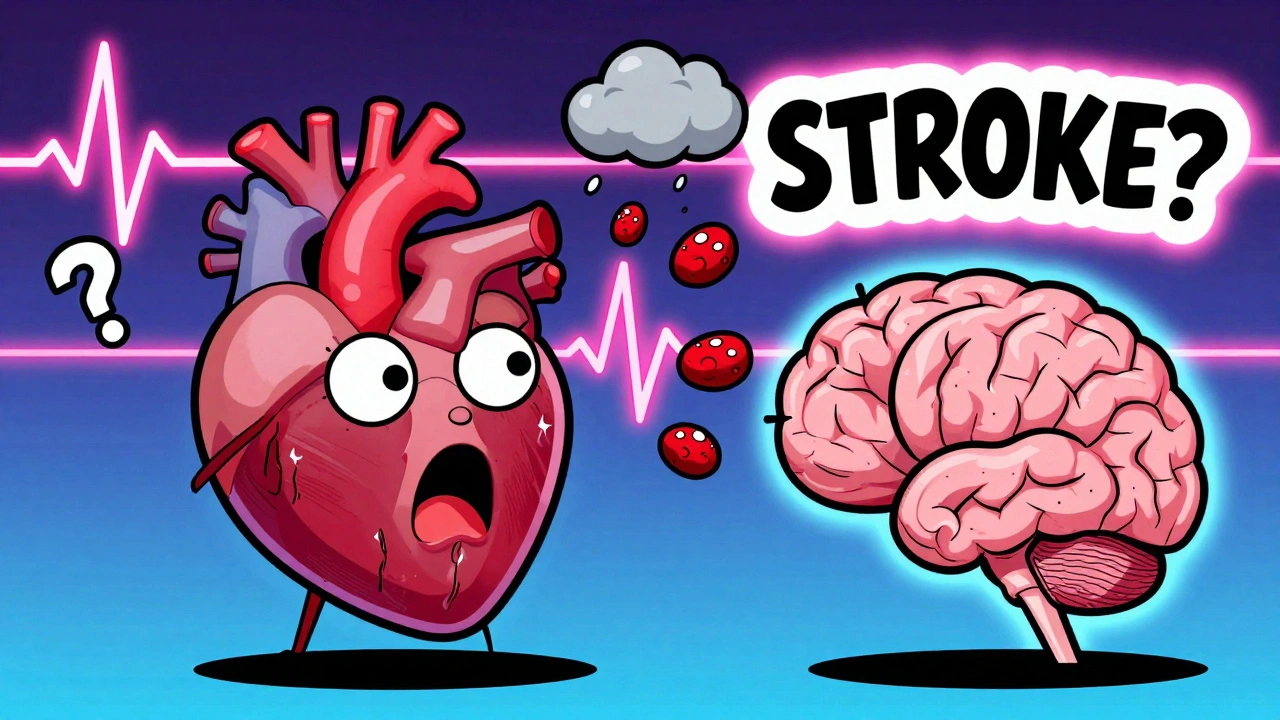
Atrial Fibrillation: Rate vs. Rhythm Control and Stroke Prevention
Learn how rate control and rhythm control strategies for atrial fibrillation impact stroke prevention, quality of life, and long-term outcomes. Updated with 2023 guidelines and latest clinical evidence.