
Prescription Drug Take-Back: Safe Disposal and Why It Matters
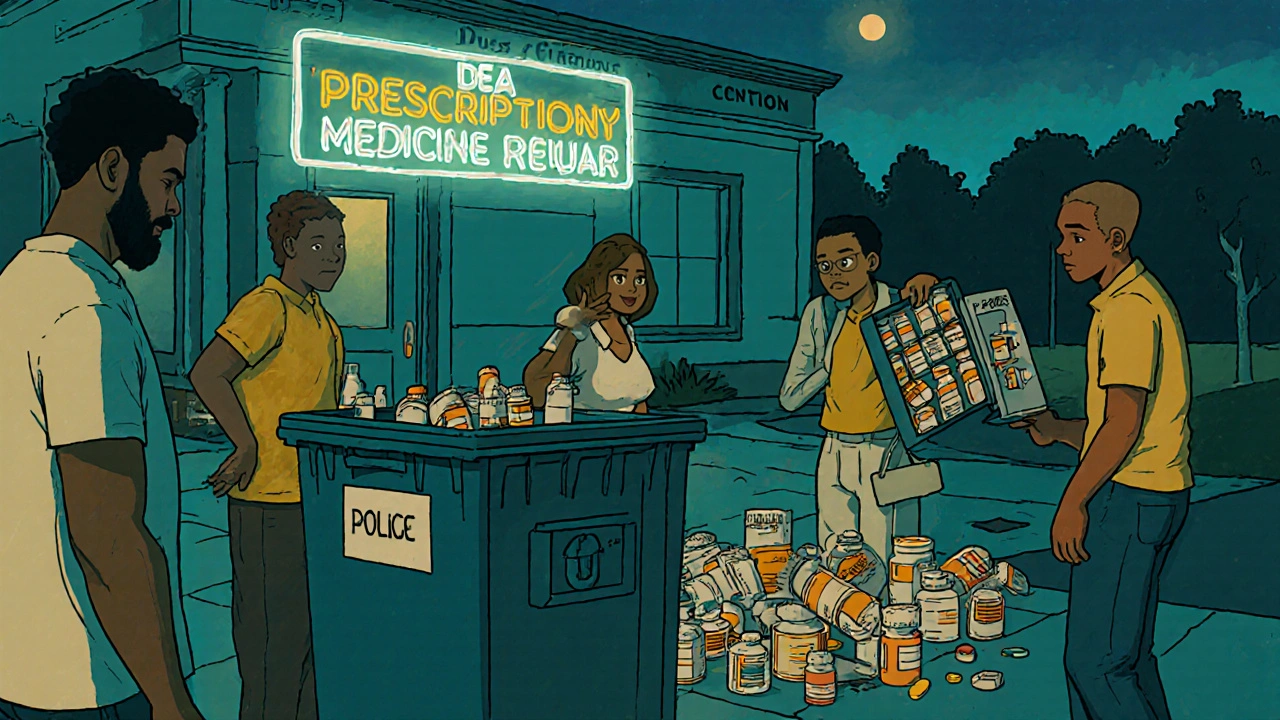
When you have leftover pills, prescription drug take-back, a system where unused or expired medications are collected by pharmacies, law enforcement, or health agencies for safe destruction. Also known as medication disposal programs, it’s not just about cleaning out your medicine cabinet—it’s about preventing overdoses, protecting the environment, and keeping drugs out of the hands of kids or people who might misuse them. Flushing pills down the toilet or tossing them in the trash might seem easy, but those methods leak chemicals into water supplies and attract curious scavengers. The prescription drug take-back system exists because real harm happens when medications aren’t handled right.
Related to this are controlled substance disposal, the regulated process for getting rid of opioids, benzodiazepines, and other high-risk drugs that can be deadly if misused. These aren’t just any pills—they’re the ones most often involved in accidental overdoses and addiction. That’s why many take-back programs prioritize them. You’ll also find pharmacy take-back programs, locations like CVS, Walgreens, or local clinics that accept unused meds year-round. These are the most reliable spots to drop off your old prescriptions without waiting for a special event. Some states even let you mail back your meds using pre-paid envelopes. And yes, you can drop off expired antibiotics, unused painkillers, or that leftover ADHD medication—even if the bottle is half-empty.
What you won’t find in these programs? Vitamins, herbal supplements, or over-the-counter drugs like ibuprofen. Those usually go in the trash with coffee grounds or kitty litter to make them unappealing. But for anything that requires a doctor’s signature, take-back is the only safe route. The FDA and DEA back these programs because they’ve seen the damage: kids finding grandma’s pain pills, teens snorting old Adderall, waterways testing positive for antidepressants. Each year, thousands of overdose deaths are tied to pills left in plain sight.
These programs aren’t just about safety—they’re about responsibility. You didn’t cause the opioid crisis, but you can help stop it one pill at a time. And you don’t need to wait for National Prescription Drug Take-Back Day. Most pharmacies accept drops every day. Just bring your meds in the original container (no need to remove labels), and leave the rest to the professionals. They’ll burn them in high-temperature incinerators that destroy the chemicals completely, so nothing leaks into the soil or air.
Below, you’ll find real stories and facts about how medications interact with the body, how side effects creep up, and how people manage their treatments. Some of these posts talk about opioid tapering, statin side effects, or how diet changes how drugs work. But none of them tell you what to do with the bottle after the prescription ends. That’s where prescription drug take-back comes in. It’s the final, quiet step in responsible care—and it’s easier than you think.
National Prescription Drug Take-Back Days: What to Expect
Learn what to expect at National Prescription Drug Take-Back Days, including what meds are accepted, where to go, how the process works, and why it matters for safety and public health.