
Patient Safety: Protect Yourself from Medication Errors and Side Effects
When it comes to your health, patient safety, the practice of preventing harm caused by medical care. It’s not just about hospitals and doctors—it’s about what you do at home, how you ask questions, and whether you understand what’s in your medicine cabinet. Every year, hundreds of thousands of people in the U.S. are harmed because of preventable mistakes with medications. Some take too much acetaminophen by accident. Others mix herbal supplements with blood thinners and end up in the ER. A senior forgets which pill is which and doubles up on their blood pressure med. These aren’t rare events—they’re common, and they’re avoidable.
medication errors, mistakes in prescribing, dispensing, or taking drugs. They happen because of unclear labels, busy schedules, or just not knowing the risks. That’s why patient safety starts with asking simple questions: Is this the same as last time? Why am I taking this? What happens if I miss a dose? drug side effects, unwanted reactions from medications that range from mild to life-threatening. Not all side effects are dangerous—some are just annoying. But others, like elevated liver enzymes from statins or adrenal suppression from long-term opioids, need immediate attention. Knowing the difference saves lives.
medication adherence, taking your drugs exactly as prescribed. Nearly half of older adults don’t do it. Why? Cost, confusion, side effects, or just forgetting. But skipping pills or doubling up isn’t harmless—it’s risky. And generic drug safety, the understanding that generics are chemically identical to brand names but still require careful use. Many people think generics are weaker or less safe. They’re not. But they still interact with food, other meds, and health conditions the same way. What matters isn’t the brand—it’s whether you’re using it right.
Real patient safety means knowing your meds inside and out. It means checking for interactions before adding a new supplement. It means storing pills away from kids and pets. It means knowing when a rash is just a rash—and when it’s an allergic reaction that needs an ER visit. It means understanding that a $5 generic isn’t a compromise—it’s a smart choice, if used correctly.
Below, you’ll find clear, no-fluff guides on how to avoid the most common dangers: accidental overdoses, dangerous interactions, confusing dosing, and side effects that get ignored. Whether you’re caring for a child, managing chronic pain, or helping an aging parent, these posts give you the facts you need to stay safe—without the jargon or fear tactics.
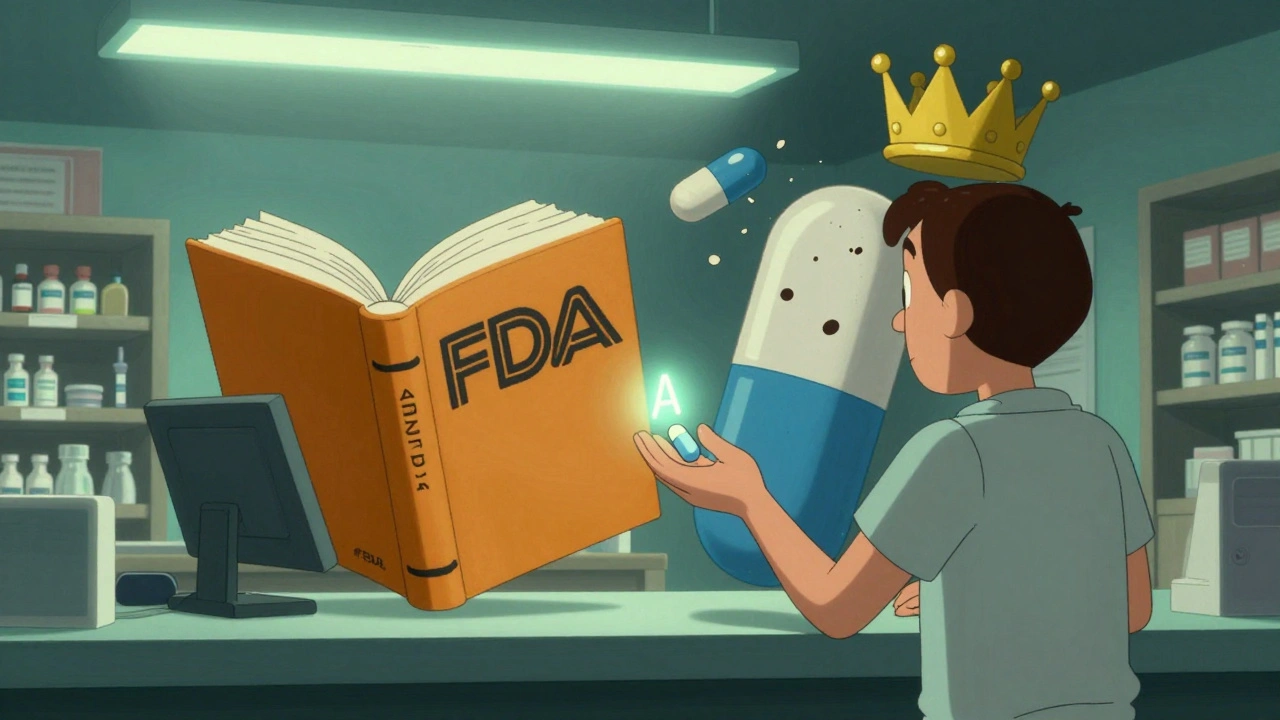
Therapeutic Equivalence: What It Means for Patient Safety
Therapeutic equivalence ensures generic drugs work just like brand-name ones, saving money without risking safety. Learn how the FDA verifies this, why it matters for patients, and what to watch for when switching.