
Medication Allergy: What It Is, How It Happens, and What to Do
When your body mistakes a medication allergy, an immune system response to a drug that causes harmful symptoms beyond normal side effects. Also known as drug allergy, it’s not just nausea or a headache—it’s your body treating a pill like an invader. This isn’t something you can just tough out. A true medication allergy can trigger rashes, swelling, trouble breathing, or even life-threatening anaphylaxis, a severe, rapid allergic reaction that affects multiple body systems and requires emergency treatment. It’s different from side effects, which are predictable and often mild. An allergy? That’s personal. It’s your immune system saying, "Nope, not this one."
People often confuse side effects with allergies. Taking ibuprofen and getting a stomachache? That’s common. Breaking out in hives after penicillin? That’s an allergy. One is chemistry. The other is your body’s alarm system going off. And once you’ve had a real allergic reaction, you’re at risk every time you’re exposed again—even years later. That’s why knowing your triggers matters. If you’ve ever had swelling after an antibiotic, itching after a painkiller, or felt like you couldn’t breathe after a shot, you’re not imagining it. Document it. Tell every doctor. Keep a list. Your next prescription could depend on it.
Some drugs are more likely to cause these reactions. Antibiotics like penicillin and sulfa drugs top the list. But it’s not just pills—IV meds, vaccines, and even topical creams can trigger responses. And it’s not always obvious right away. Sometimes it takes days for a rash to show up. Other times, it hits within minutes. That’s why knowing the signs is key: hives, swelling of the face or throat, wheezing, dizziness, vomiting, or a sudden drop in blood pressure. If you’ve ever felt your throat close up after taking medicine, you know how fast it can get serious. That’s not a bad reaction. That’s an emergency.
There’s no test you can take at home to confirm a medication allergy. Doctors use your history, timing of symptoms, and sometimes skin or blood tests to piece it together. But the best tool you have? Your own memory. Write down every drug you’ve taken, when you took it, and what happened. Even if it seemed minor at the time. That info could save your life. And if you’re told you’re allergic to a drug, ask: "Is this confirmed?" Many people are labeled allergic to penicillin based on a childhood rash—but over 90% of them can actually take it safely later. Proper evaluation matters.
What happens if you’re allergic? Avoidance is the first rule. But it’s not always simple. Sometimes you need the drug anyway. In those cases, doctors can use desensitization, a controlled process where a patient is given tiny, increasing doses of the allergen under close supervision to temporarily allow safe use—usually in hospitals. It’s not for everyone, but it’s an option when there are no alternatives. And for people with multiple allergies, knowing your triggers helps doctors pick safer options. It’s not about avoiding medicine—it’s about avoiding the wrong medicine.
The posts below cover real cases where people faced reactions to common drugs—from statins to blood pressure meds to pain relievers. You’ll find stories about misdiagnosed allergies, how to spot the difference between a side effect and a true reaction, and what to do when your body says no. Whether you’ve been told you’re allergic or you’re just curious why your body reacts the way it does, this collection gives you the facts—not the fear. You don’t need to guess what’s happening to you. You just need to know what to look for.
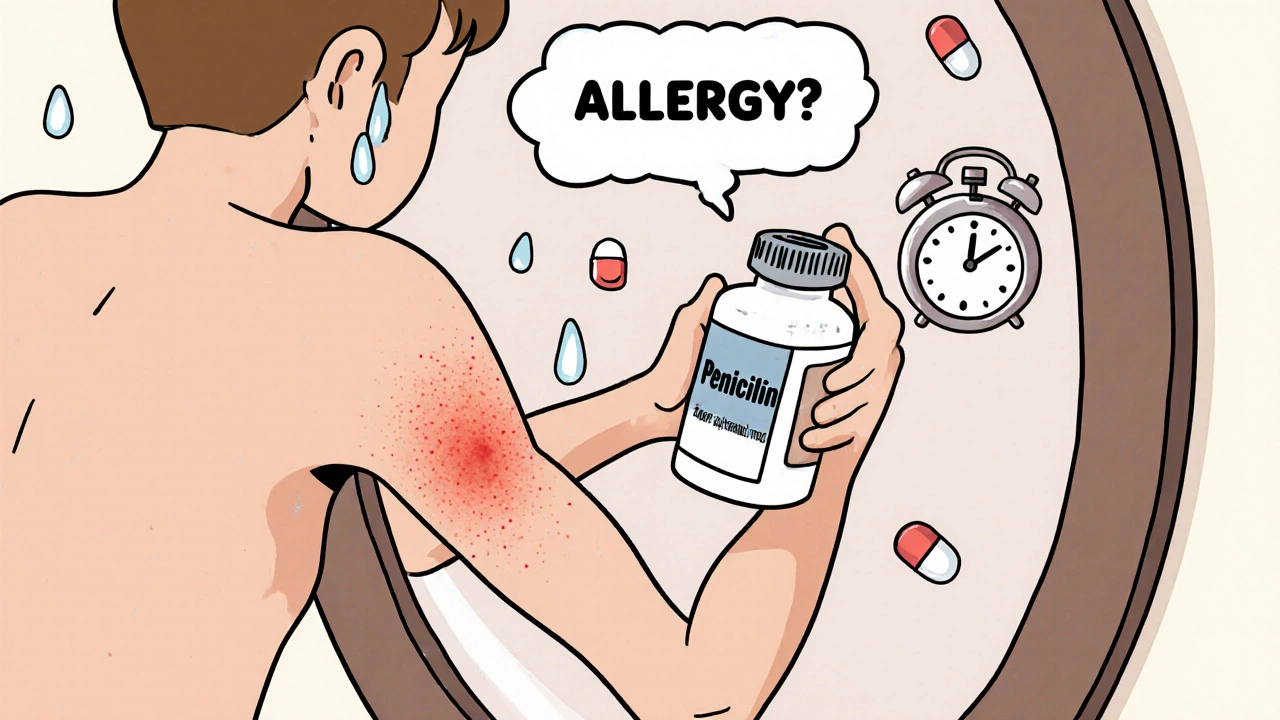
Allergic Reactions to Medications: How to Tell Mild, Moderate, and Severe Apart
Learn how to tell the difference between mild, moderate, and severe allergic reactions to medications - and what to do in each case to stay safe. From rashes to anaphylaxis, know the signs and act fast.