
IBS Medication: What Works, What Doesn’t, and What to Ask Your Doctor
When you’re dealing with irritable bowel syndrome, a chronic condition causing abdominal pain, bloating, and altered bowel habits without visible damage to the digestive tract. Also known as spastic colon, it affects over 10% of people worldwide and often gets misdiagnosed as something else. There’s no cure, but IBS medication can help you take back control—if you know which ones actually work for your type.
Not all IBS is the same. Some people have mostly diarrhea (IBS-D), others constipation (IBS-C), and many bounce between both. That’s why a one-size-fits-all pill doesn’t exist. For IBS-D, loperamide, an over-the-counter anti-diarrheal that slows gut movement is often the first try. It’s cheap, fast, and works for short-term flare-ups—but won’t touch the pain or bloating. For cramping, antispasmodics, medications like dicyclomine or hyoscine that relax gut muscles can ease spasms without sedating you. But they don’t help everyone, and side effects like dry mouth or blurry vision turn some people off.
The real breakthroughs in IBS treatment are newer drugs that target the gut-brain axis. Drugs like rifaximin, a non-absorbed antibiotic, reduce bloating by calming gut bacteria. Lubiprostone and linaclotide are prescription options for IBS-C that gently pull water into the intestines—no harsh laxatives needed. Even low-dose antidepressants, like amitriptyline, show up in studies not because you’re depressed, but because they dial down nerve signals from your gut to your brain. That’s why some people feel better on meds that seem unrelated to digestion.
What’s missing from most doctor visits? Personalization. Too many patients get handed a script for loperamide and sent on their way. But if your IBS flares after stress, or after eating dairy, or after antibiotics, your treatment should reflect that. The posts below cover real-world experiences: why some people stop taking certain drugs after side effects, how generic versions sometimes feel different even when they’re chemically the same, and what alternatives like probiotics or dietary tweaks actually help. You’ll find comparisons between common prescriptions, stories on managing side effects, and tips on when to push back and ask for something else. This isn’t about chasing miracle cures—it’s about cutting through the noise to find what fits your body, your life, and your symptoms.
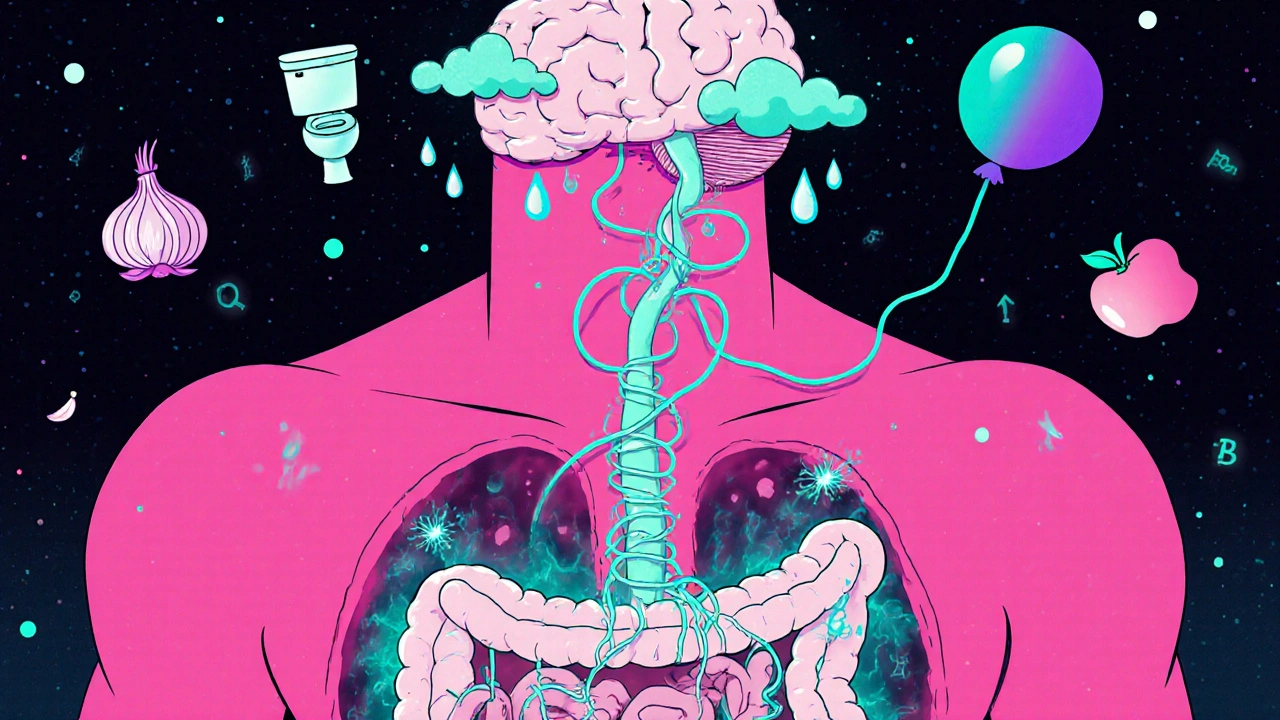
Irritable Bowel Syndrome: Symptoms, Triggers, and Medication Options
Irritable Bowel Syndrome causes chronic abdominal pain, bloating, and altered bowel habits. Learn the real symptoms, common triggers like FODMAPs and stress, and proven medication and lifestyle treatments that actually work.