
Food-Drug Interactions: What You Need to Know Before You Eat or Take Medicine
When you take a medication, it doesn’t just interact with your body—it also reacts with what you eat, drink, or even the herbal supplements you think are harmless. This is called a food-drug interaction, a change in how a medicine works because of something you consume. Also known as dietary-drug interaction, it’s not just about grapefruit and statins—it’s about how your morning coffee, your evening glass of wine, or that ginkgo pill you took for memory could be quietly messing with your treatment.
Take blood thinners, medicines like warfarin that prevent dangerous clots. Also known as anticoagulants, they’re finely balanced. A single serving of leafy greens can throw off your dose because vitamin K reverses their effect. Or consider herbal supplements, natural products people assume are safe. Ginkgo Biloba might seem like a smart brain booster, but it can double your bleeding risk when mixed with aspirin or Plavix. Real cases of brain bleeds have happened because someone didn’t know.
It’s not just herbs and greens. Grapefruit juice isn’t just a tasty breakfast drink—it can stop your body from breaking down drugs like certain blood pressure pills, cholesterol meds, or even some painkillers, causing toxic buildup. Even something as simple as dairy can block antibiotics like tetracycline from working. And don’t forget alcohol: mixing it with pain relievers, sleep aids, or antidepressants can lead to liver damage, dizziness, or worse. These aren’t rare edge cases. They happen every day, often because people don’t realize their salad or their tea could be as powerful as a second pill.
What makes this even trickier is that not all interactions are obvious. Some show up as mild side effects—fatigue, nausea, or a rash—that you might blame on stress or aging. Others hit fast and hard: sudden bleeding, a spike in blood pressure, or heart rhythm problems. The key isn’t to avoid food or stop your meds—it’s to know which combinations matter. Your pharmacist isn’t just there to hand out pills; they’re your best line of defense against these hidden risks.
Below, you’ll find real, practical guides on the most common and dangerous food-drug interactions you’re likely to face. From how warfarin plays with spinach, to why you shouldn’t mix statins with grapefruit, to the hidden dangers of herbal supplements like ginkgo, each post breaks down what’s real, what’s myth, and what you need to do right now to stay safe. No fluff. No jargon. Just what works—and what could hurt you.
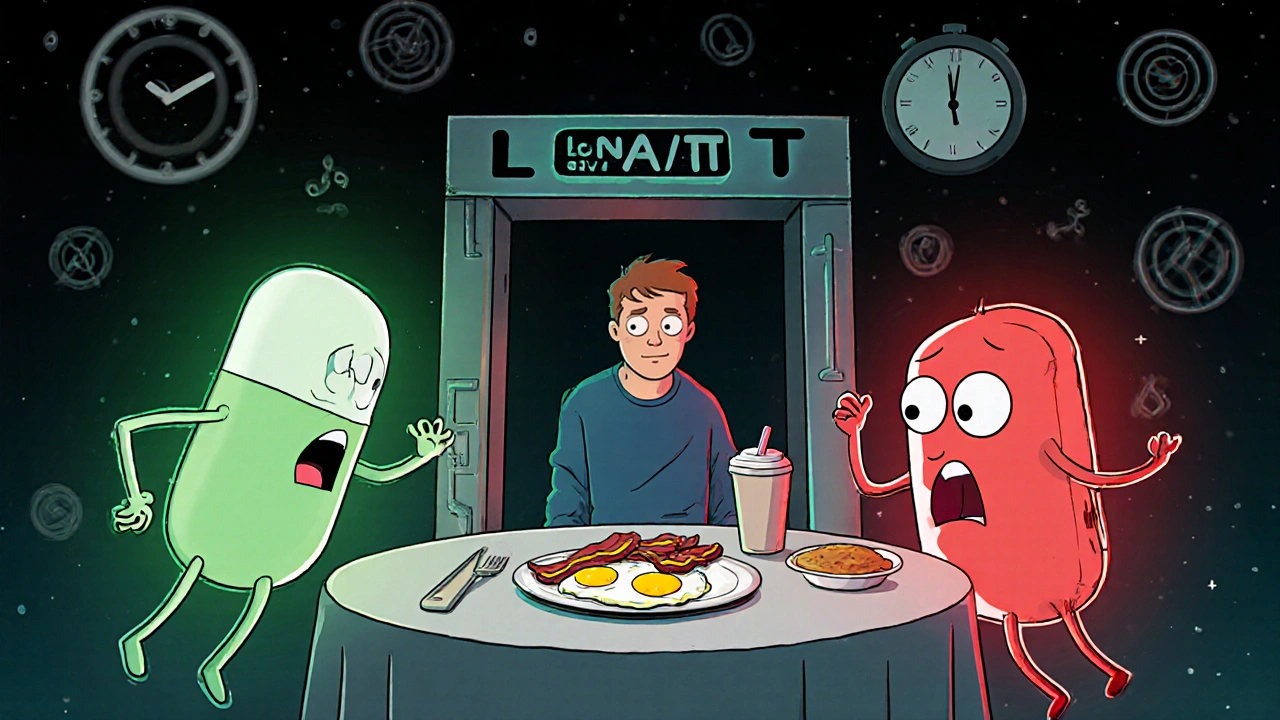
Protein-Rich Foods and Medications: How Diet Affects Absorption and Effectiveness
Protein-rich meals can reduce medication absorption by up to 50%, especially for drugs like levodopa. Learn how timing and protein redistribution improve effectiveness without cutting protein from your diet.