
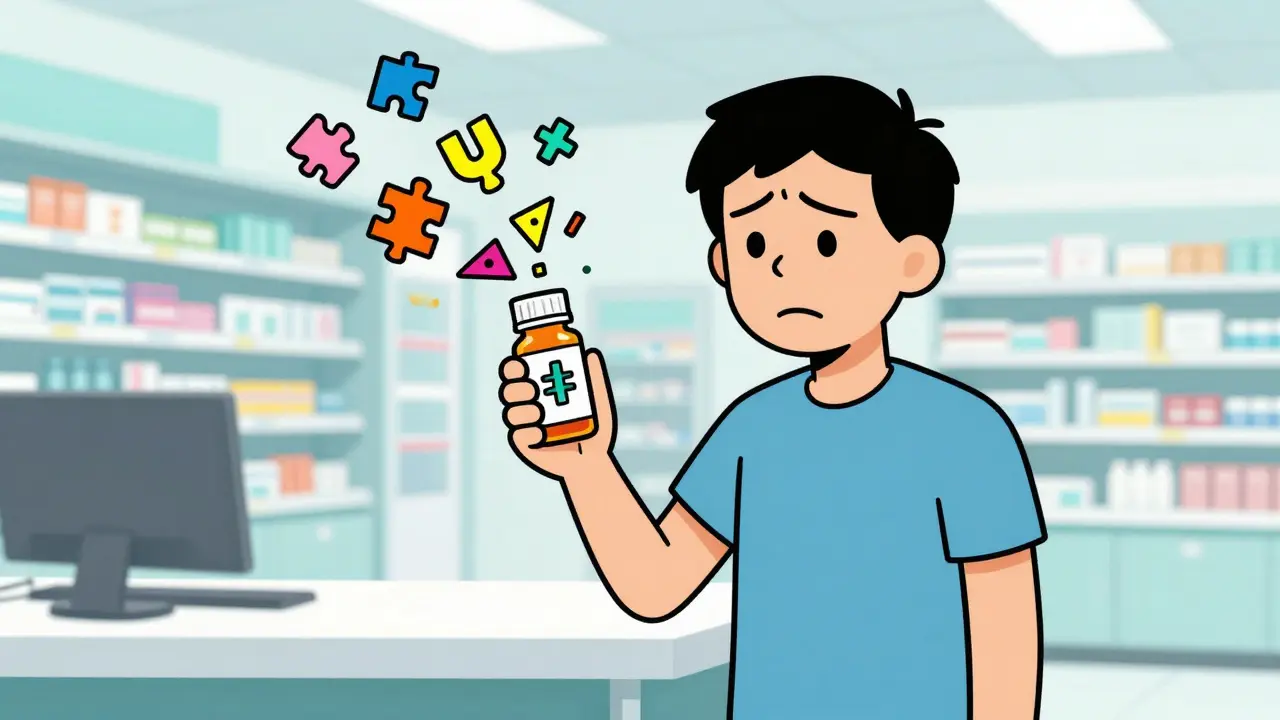
Imagine standing at a pharmacy counter, holding a bottle of medicine, but the instructions on the label look like a puzzle you can't solve. For millions of people, this isn't a hypothetical scenario-it's a daily reality. When you can't communicate clearly with your doctor or pharmacist, a simple mistake in dosage can lead to a trip to the emergency room. In fact, research shows that children from families with Limited English Proficiency (LEP) suffer from adverse drug events at nearly twice the rate of English-proficient families. This isn't just a communication glitch; it's a serious risk to your health.
The good news is that you have rights and there are professional systems designed to keep you safe. Whether you are managing your own care or helping a loved one, knowing how to ask for the right kind of help can literally save a life. Here is how to navigate the healthcare system to ensure your medications are taken correctly and safely.
The Real Danger of "Getting By" with Family Interpreters
It is tempting to bring a child, a spouse, or a friend along to translate during a doctor's visit. It feels faster and more comfortable. However, using ad hoc interpreters is one of the biggest risks to medication safety. Medical terminology is precise; a slight mistranslation of a word like "dropperful" or a misunderstanding of "twice daily" can lead to dangerous overdoses or ineffective treatment.
Studies indicate that up to 25% of information translated by family members is incorrect because they lack the specific medical vocabulary needed. This often leads to a "game of telephone" where the patient nods in agreement to avoid appearing difficult, even if they don't actually understand the instructions. This is why professional services are non-negotiable for high-stakes healthcare decisions.
Your Best Options for Professional Language Help
When you need help, don't settle for a quick Google Translate session. While apps are fine for finding the nearest restroom, they often fail with complex medical instructions. Instead, ask your provider for these specific professional services:
- Professional Interpreters trained medical linguists who ensure accuracy and confidentiality during clinical encounters: These can be in-person, over the phone, or via video.
- Video Remote Interpretation (VRI): This is often the gold standard for complex medication discussions because you can see the interpreter's facial expressions and they can see the medication packaging.
- Bilingual Staff: Some clinics employ staff who are officially certified as bilingual, providing a seamless experience without the need for external hardware.
- Translated Written Materials: Request prescription labels and dosage guides printed in your native language.
| Method | Accuracy | Speed of Access | Best For... |
|---|---|---|---|
| Family/Friends | Low (High error rate) | Immediate | Casual conversation only |
| Translation Apps | Moderate (Unreliable for medical terms) | Immediate | Basic navigation/simple needs |
| Phone Interpretation | High | Fast (Minutes) | Quick prescription check-ins |
| Video Interpretation | Very High | Moderate | New medication/Complex dosing |

How to Ensure You Actually Understand Your Meds
Even with an interpreter, things can get lost in the shuffle. To bridge the gap, you can use a few proven techniques to verify that the information is correct before you leave the clinic or pharmacy.
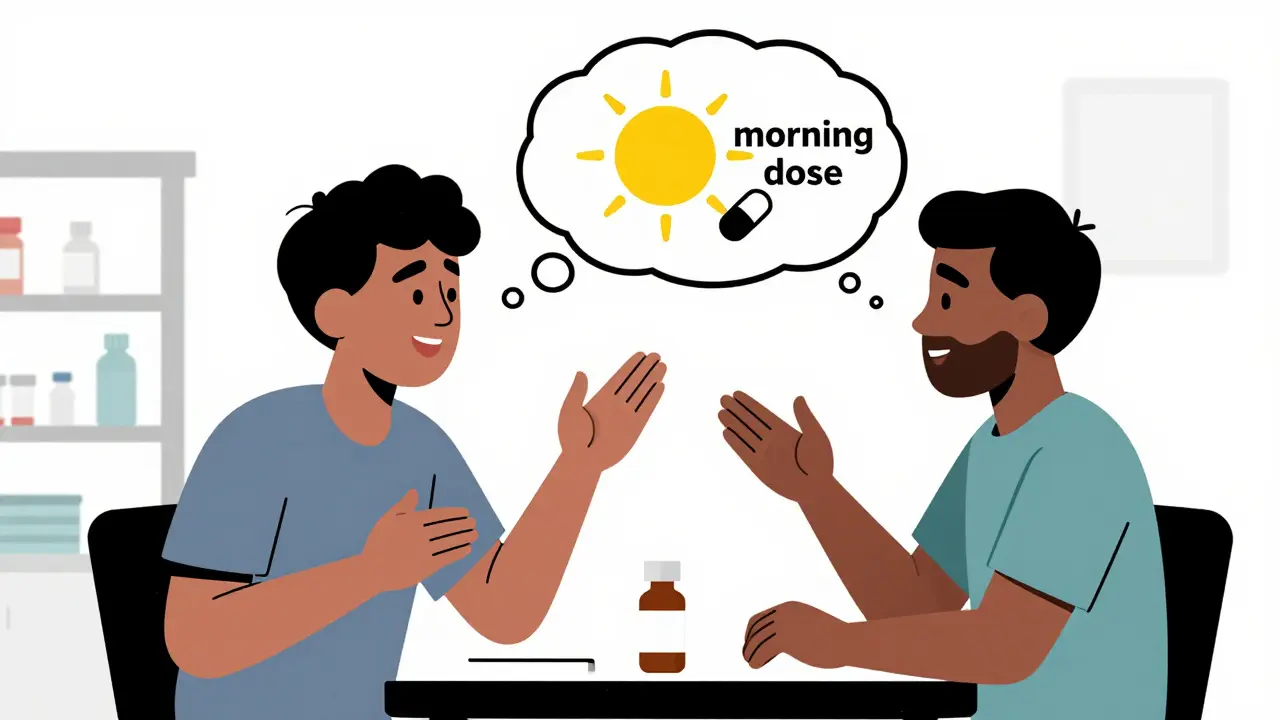
One of the most effective tools is the Teach-Back Method. Instead of the doctor asking, "Do you understand?" (to which most people just say "Yes"), ask them to let you explain the instructions back to them. Say, "I want to make sure I have this right. I will take one pill of this medicine every morning after breakfast. Is that correct?" If you make a mistake, the provider can correct it immediately.
For those on high-risk medications, like insulin or blood thinners, ask for Directly Observed Dosing a process where the patient demonstrates exactly how they will administer the medication under the supervision of a clinician. This removes all guesswork. If you can show the pharmacist exactly how you intend to use the medication, you eliminate the risk of a translation error leading to physical harm.
Knowing Your Rights: The Legal Side of Language Access
You might feel like you are "bothering" the staff by asking for an interpreter, but in many places, it is the law. In the United States, for example, Title VI of the Civil Rights Act a federal law that prohibits discrimination on the basis of race, color, and national origin, including language access in federally funded programs requires healthcare providers who receive federal funding to provide meaningful access to LEP patients.
This means that providing an interpreter isn't a "favor" the hospital is doing for you-it is a legal requirement to ensure equal care. If you are told that an interpreter isn't available and you feel unsafe taking your medication, you have every right to ask for a supervisor or the patient advocate's office.
Step-by-Step: How to Request Help Before Your Appointment
The best way to get the help you need is to be proactive. Waiting until you are sitting in the exam room can lead to rushed appointments and skipped interpretations. Follow these steps to set yourself up for success:
- Identify Your Needs Early: When scheduling your appointment, tell the receptionist immediately that you require a professional interpreter. Specify the language and whether you prefer a phone or in-person service.
- Update Your Records: Ensure your language preference is clearly marked in your electronic health record. This flags every department-from the lab to the pharmacy-that you need assistance.
- Prepare a Written List: Write down your questions about your medication in your native language. You can show this to the interpreter to ensure no important question is forgotten.
- Confirm the Interpreter: When you arrive, verify that the interpreter is ready. If the provider suggests using a family member, politely decline and request the professional service you asked for.
What should I do if the pharmacy doesn't have labels in my language?
Ask the pharmacist to use a professional translation service or a certified medical translation app to explain the dosing. You can also request that they provide a printed information packet from the manufacturer, which are often available in multiple languages. If you are still unsure, do not take the medication until you have verified the dose with a professional interpreter.
Are professional interpreters free for the patient?
In most hospital and clinic settings, especially those receiving federal or state funding, professional interpretation services are provided at no cost to the patient. This is part of the provider's obligation to ensure patient safety and legal compliance.
Can I use a translation app on my phone during a doctor's visit?
While apps can help with simple, non-clinical tasks, they are not recommended for medication instructions. Apps often lack the nuance of medical terminology and can mistranslate critical warnings or dosages. Always insist on a professional medical interpreter for anything involving medication.
How do I know if my doctor is "language-concordant"?
A language-concordant provider is simply a healthcare professional who speaks the same primary language as the patient. You can ask your insurance provider or clinic manager for a list of bilingual doctors who are fluent in your native language.
What is the "Teach-Back Method" and why does it help?
The Teach-Back Method is a communication confirmation process. Instead of the provider asking if you understand, you explain the instructions back to them in your own words. This highlights any misunderstandings immediately and ensures that both you and the provider are on the same page regarding your treatment.
Next Steps for Patients and Caregivers
If you've had a bad experience with a language barrier in the past, don't let it discourage you from seeking care. Your health depends on clear communication. Start by auditing your current medications: do you fully understand every dose and timing? If there is any doubt, call your pharmacist today and request a professional interpreter to review your prescriptions.
For caregivers, your role is to be the advocate. Remind the medical staff that professional interpretation is a safety requirement, not an option. By insisting on the right tools-like video interpretation and teach-back confirmation-you are creating a safety net that prevents avoidable medical errors.