
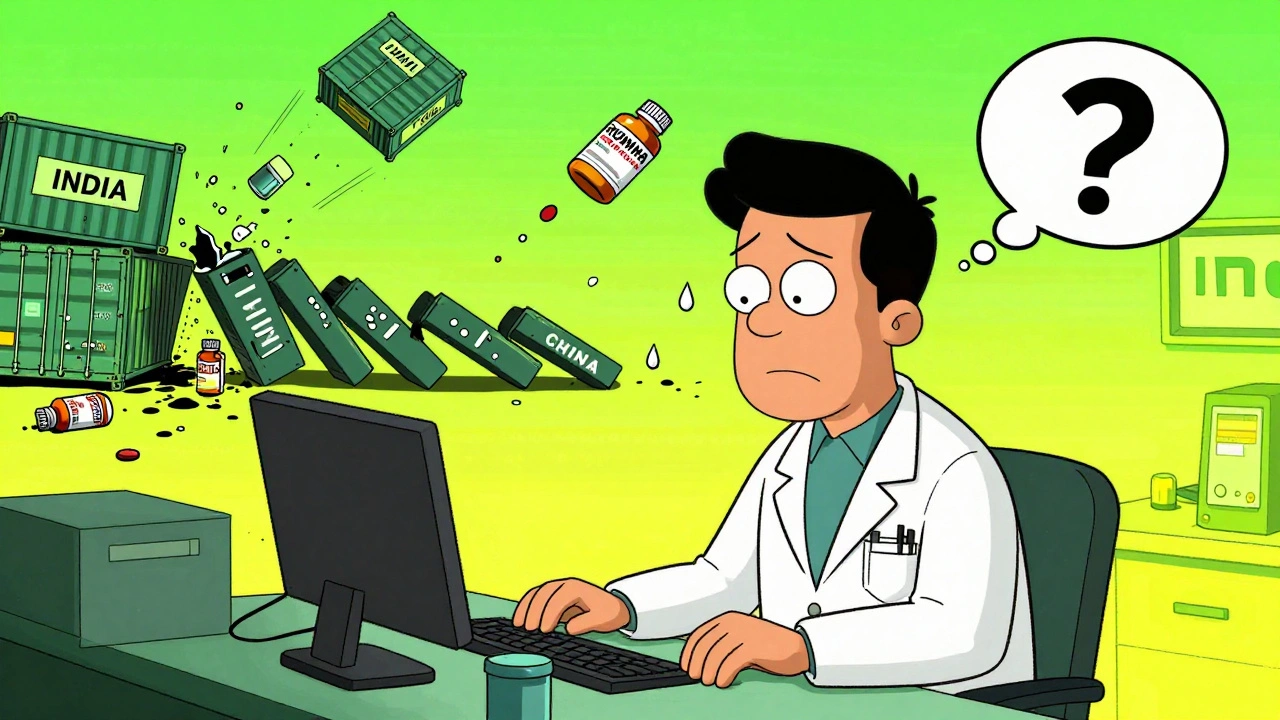
When you walk into a pharmacy and pick up a pill labeled as a generic version of your brand-name drug, what do you think? That it’s cheaper? Less effective? Or maybe you don’t think about it at all. But behind that bottle is a global story - one where doctors, pharmacists, and health systems in different countries have wildly different opinions about generics. In some places, they’re the backbone of care. In others, they’re still met with skepticism. The truth? It’s not about the drug. It’s about the system that delivers it.
Europe: Generics as Policy, Not Just Preference
In Germany, France, and the UK, doctors don’t just accept generics - they’re encouraged to prescribe them. It’s not optional. It’s policy. Governments here have built entire cost-control strategies around generic substitution. In Germany, more than 80% of prescriptions are filled with generics. Why? Because the system pays providers and pharmacies to push them. Patients pay less. The state saves billions. It’s not about distrust in brand drugs. It’s about efficiency. European providers see generics as a tool to keep healthcare affordable without sacrificing outcomes. A 2025 study by Cognitive Market Research found that Europe holds nearly 29% of the global generic market, with Germany alone accounting for over 15%. That’s not luck. That’s design. Still, growth is slowing. In mature markets like these, most easy-to-copy pills are already generic. The next frontier? Complex generics - inhalers, injectables, topical creams. Doctors are starting to trust these too. But it took years of real-world data to get there.Asia-Pacific: Generics as Lifelines
In India, generics aren’t just common - they’re essential. Over 20% of all generic drugs made worldwide come from Indian factories. And 40% of the U.S. generic supply? Also from India. That’s not a coincidence. It’s a strategy. Indian doctors don’t see generics as a backup. They see them as the only viable option for millions. With average incomes low and chronic diseases like diabetes and heart failure rising fast, there’s no room for expensive brand-name drugs. A generic version of a blood pressure pill might cost 95% less. That’s not a discount. That’s survival. China follows a similar path. The government actively pushes generic use through price controls and public procurement. In rural clinics, doctors hand out generics without hesitation. Patients expect them. Trust isn’t built through marketing - it’s built through access. And the growth? It’s explosive. Asia-Pacific is the fastest-growing region for generics, with some analysts predicting over 6% annual growth through 2034. That’s not just demand. It’s a healthcare revolution.United States: The Paradox of Volume and Value
Here’s a startling fact: 90% of prescriptions in the U.S. are for generics. But they make up less than 20% of total drug spending. Why? Because the brand-name drugs are insanely expensive. American doctors know generics work. They’ve seen the data. They’ve prescribed them for years. But the system doesn’t reward them for it. Insurance plans often don’t cover the full cost of brand drugs unless you’ve tried the generic first - and even then, patients still struggle with co-pays. The real issue? Supply chain fragility. When a single factory in India or China has a quality inspection problem, U.S. hospitals face shortages of critical generics - like antibiotics or heart medications. That’s not theoretical. It’s happened. And when a life-saving generic disappears, doctors are forced to use pricier alternatives. So while U.S. providers trust generics clinically, they’re increasingly anxious about reliability. They want more transparency. More inspections. More domestic production. But for now, they rely on global suppliers - even when it feels risky.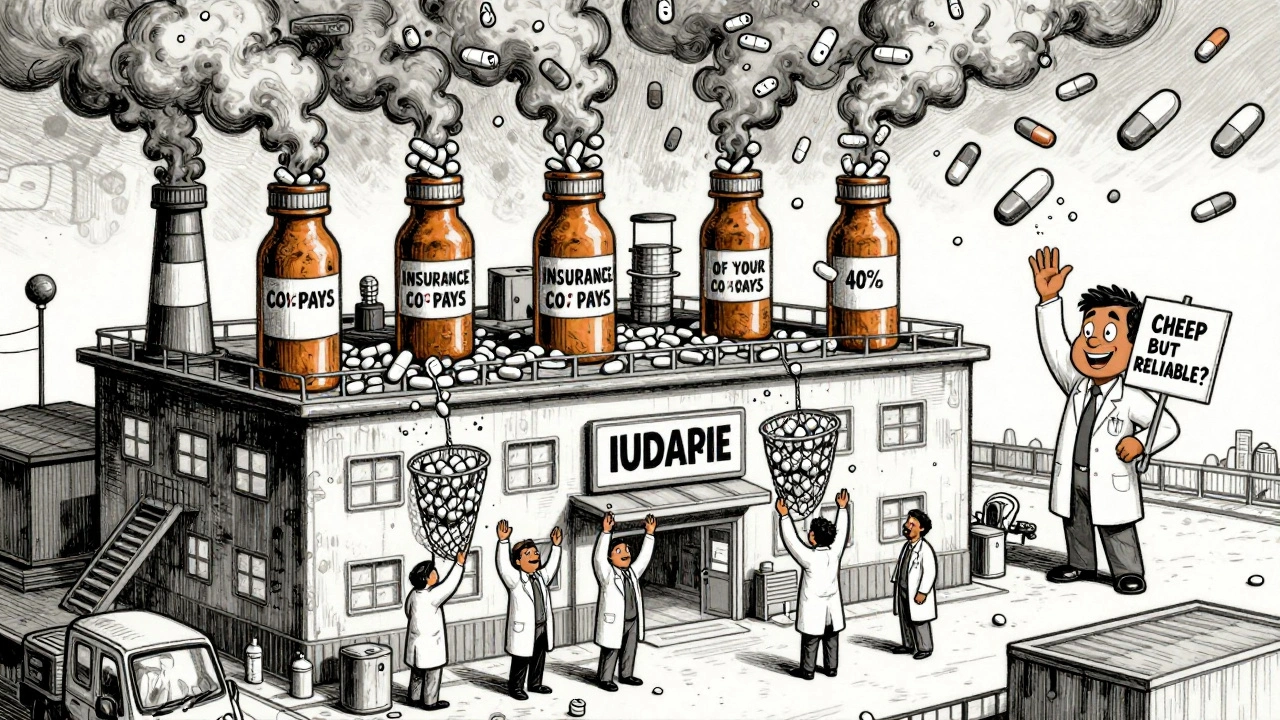
Japan: Price Cuts and Patient Trust
Japan has taken a different route. Instead of pushing generics through incentives, they force prices down - every two years. The government negotiates with manufacturers and slashes prices. As a result, the overall pharmaceutical market in Japan is flat or shrinking, even as new drugs enter the market. Doctors here don’t push generics because they’re cheap. They push them because they’re the default. Brand-name drugs are seen as unnecessary unless there’s a clear clinical reason. Patients don’t question it. They’ve been conditioned to accept generics as standard. It’s a model built on discipline, not persuasion. And it works. Japan now has one of the highest generic adoption rates in the developed world - not because of marketing, but because the system makes it the only practical choice.Emerging Markets: From Luxury to Necessity
In Brazil, Turkey, and parts of Africa, generics weren’t always the norm. A decade ago, brand-name drugs were status symbols - even if they were unaffordable. Today? That’s changed. As governments expand public health coverage, generics have become the foundation of care. A diabetic patient in rural Brazil doesn’t get a choice between a $500 brand drug and a $5 generic. She gets the generic. Period. Providers in these regions don’t debate whether generics work. They debate whether they’re available. Supply chains are weaker. Quality control is inconsistent. But the need is so urgent that there’s no alternative. IQVIA estimates that these “pharmerging” markets will add $140 billion in drug spending by 2025 - almost entirely driven by generics. This isn’t just growth. It’s a transformation.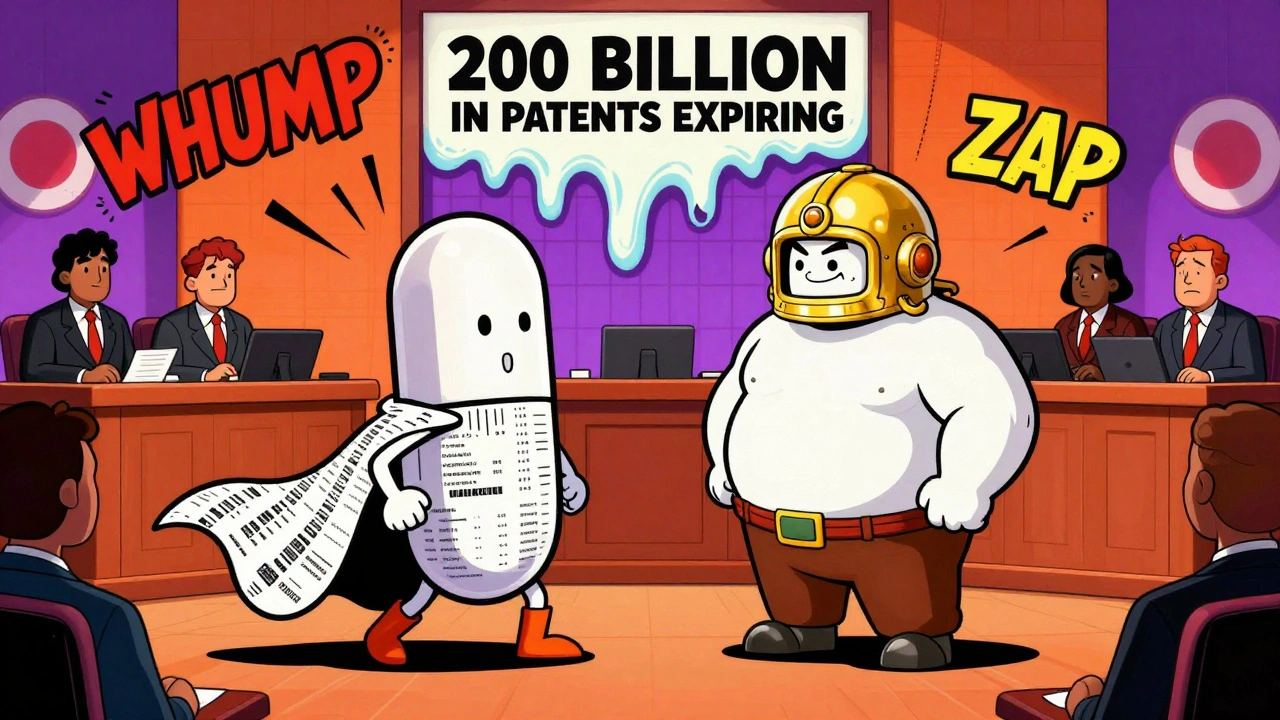
Comments
Andrew Frazier
December 5, 2025 AT 15:21Let me get this straight - America spends 20% of its drug budget on brand names while 90% of prescriptions are generics? That’s not a system, that’s a fucking joke. We outsource our meds to India and China, then act surprised when stuff runs out. Meanwhile, Europe’s over there saving billions and we’re crying about ‘supply chain security’ like it’s a Netflix show. Wake up, folks. We’re not broken - we’re lazy.
Mayur Panchamia
December 6, 2025 AT 22:09INDIA BUILDS THE WORLD’S MEDICINES - and you Americans still think generics are ‘second-rate’? Lol. We make 20% of ALL global generics - including your insulin, your antibiotics, your blood pressure pills - and we do it cheaper, faster, and with more quality control than your FDA-approved ‘trusted’ factories. You don’t trust us? Fine. But when your grandma can’t afford her meds, who’s she calling? Us. Again. Always us.
Karen Mitchell
December 8, 2025 AT 03:19It is absolutely unacceptable that the United States - a nation with the most advanced medical research infrastructure on the planet - continues to rely on foreign manufacturing for its most essential pharmaceuticals. This is not merely a matter of economics; it is a national security vulnerability. The FDA’s inspection regime is laughably inadequate, and the notion that a single factory in Hyderabad can disrupt the entire U.S. supply chain is a catastrophic failure of policy. We must immediately invest in domestic production - or face the consequences.
brenda olvera
December 8, 2025 AT 23:52I love how this post shows that generics aren’t about quality - they’re about dignity. In places like India and Brazil, people don’t choose generics because they’re cheap. They choose them because they’re allowed to live. No one should have to pick between food and medicine. And honestly? The fact that we’re even having this conversation in 2025 is kind of heartbreaking. We’ve got the tech, the science, the money. We just need to care enough to fix it.
Myles White
December 9, 2025 AT 19:59It’s fascinating how cultural attitudes toward generics mirror broader societal values - in Europe, it’s efficiency and collective responsibility; in the U.S., it’s individual choice masked as consumer freedom; in India, it’s survival with dignity. But what’s often missed is how deeply the pharmaceutical industry’s lobbying has shaped perception. Brand-name drugs aren’t just marketed as superior - they’re engineered to feel superior. The placebo effect works both ways: if you believe a pill is better, your body responds better. That’s why trust matters more than bioequivalence data. We need to reframe generics not as ‘cheap alternatives’ but as ‘smart choices’ - and that requires education, not just policy.
olive ashley
December 9, 2025 AT 22:3690% of prescriptions are generics? Yeah, right. And I’m the Queen of England. The real story? Big Pharma lets generics flood the market for cheap drugs so they can charge $100,000 for the ‘new’ cancer drug that’s just a tweaked version of something from 1998. The FDA approves generics like they’re cereal boxes. One factory in China has a mold problem? Big deal. They just ship it anyway. And you think this is about ‘access’? Nah. It’s about control. The same companies that make the brand drugs own the generic ones. They’re playing you.
Ibrahim Yakubu
December 10, 2025 AT 18:30When I was in Lagos last year, I saw a man buy a generic malaria pill for $0.12. He smiled. He was alive. In America, people die because their insurance won’t cover the $300 version of the same pill. This isn’t about science. This is about greed dressed up as capitalism. Nigeria doesn’t have a fancy FDA, but we have something better - humanity. You can’t put a price tag on that.
Chris Park
December 11, 2025 AT 04:31Let’s be clear: the entire global generic drug system is a Ponzi scheme built on lax regulation and geopolitical exploitation. The U.S. imports 80% of its active pharmaceutical ingredients from China and India - two countries with no real accountability. The WHO’s data on counterfeit drugs is outdated. The real crisis? We’re not facing shortages - we’re facing systemic poisoning. And no one in Congress has the guts to say it. The fact that you’re reading this and still trust generics proves how deeply brainwashed we are.
Saketh Sai Rachapudi
December 11, 2025 AT 11:13India makes the best generics in the world - period. You think the US makes anything? Nah. We’re the pharmacy of the world, and you still act like we’re some backwater country. And you know what? We don’t need your approval. We’ve saved millions of lives. You’re just mad because we’re cheaper than your corporate pharma overlords. So shut up and take your pills.
joanne humphreys
December 13, 2025 AT 08:34I’ve been a nurse for 22 years, and I’ve seen patients on generics for everything from diabetes to depression. The outcomes? Nearly identical to brand names - and the cost difference? Life-changing. What I’ve learned isn’t about the pill. It’s about the person. When someone can afford their meds, they show up for checkups. They take them consistently. They live longer. The real win isn’t the price tag - it’s the dignity that comes with being able to manage your health without debt. This isn’t politics. It’s care.
Rashmi Gupta
December 14, 2025 AT 02:43Wait - you’re saying Japan forces price cuts every two years? That’s why their drug market is shrinking? So they’re basically punishing innovation? Sounds like a socialist nightmare. If you cut prices too hard, no one will develop new drugs. You can’t have cheap generics AND medical progress. Someone’s gotta pay for R&D. And it’s not going to be the Indian factory worker.
Kumar Shubhranshu
December 15, 2025 AT 08:57India makes the pills. US pays for them. Europe tells you to take them. Japan forces you to. Africa just takes whatever’s left. Simple.
Brooke Evers
December 15, 2025 AT 21:08I just want to say - this post made me cry a little. Not because it’s sad, but because it’s so true. I’ve watched my mom in rural Kentucky struggle to afford her blood pressure meds for years. She’d skip doses. Then one day, her pharmacist switched her to a generic. She didn’t even know the difference. But she started taking it every day. That’s the real win. Not the numbers. Not the policy. It’s the quiet moment when someone gets to breathe again because they didn’t have to choose between rent and medicine. We need more stories like this. Not debates. Just stories.
Max Manoles
December 17, 2025 AT 06:10The real tragedy isn’t that generics are misunderstood - it’s that we’ve turned healthcare into a commodity instead of a right. The fact that we need to justify why a pill should cost $0.10 instead of $10 is a moral failure. And the most disturbing part? The people who benefit most from this system - the CEOs, the lobbyists, the investors - are the ones who never have to take the pills. They’re not the ones skipping meals to afford insulin. They’re not the ones waiting six weeks for a shipment from a factory that failed inspection. We’re not fighting about science. We’re fighting about who gets to live - and who gets to profit from the fact that they don’t.