
COVID-19 Treatment & Anticoagulant Interaction Checker
Disclaimer: This tool is for educational purposes only and does not constitute medical advice. Always consult your healthcare provider before changing or pausing medication.
Interaction Risk
Recommended Safety Protocol:
Getting a respiratory infection like COVID-19 is stressful enough without worrying if your life-saving medication is suddenly becoming dangerous. For people on blood thinners is a class of medications, including anticoagulants, used to prevent blood clots by slowing down the clotting process, the stakes are high. During a severe infection, your body enters a "hypercoagulable state," meaning your blood is more likely to clot. While this sounds like the opposite of what blood thinners do, the interaction between these drugs and COVID-19 treatments can create a volatile situation where you're either at risk of a major bleed or a dangerous clot.
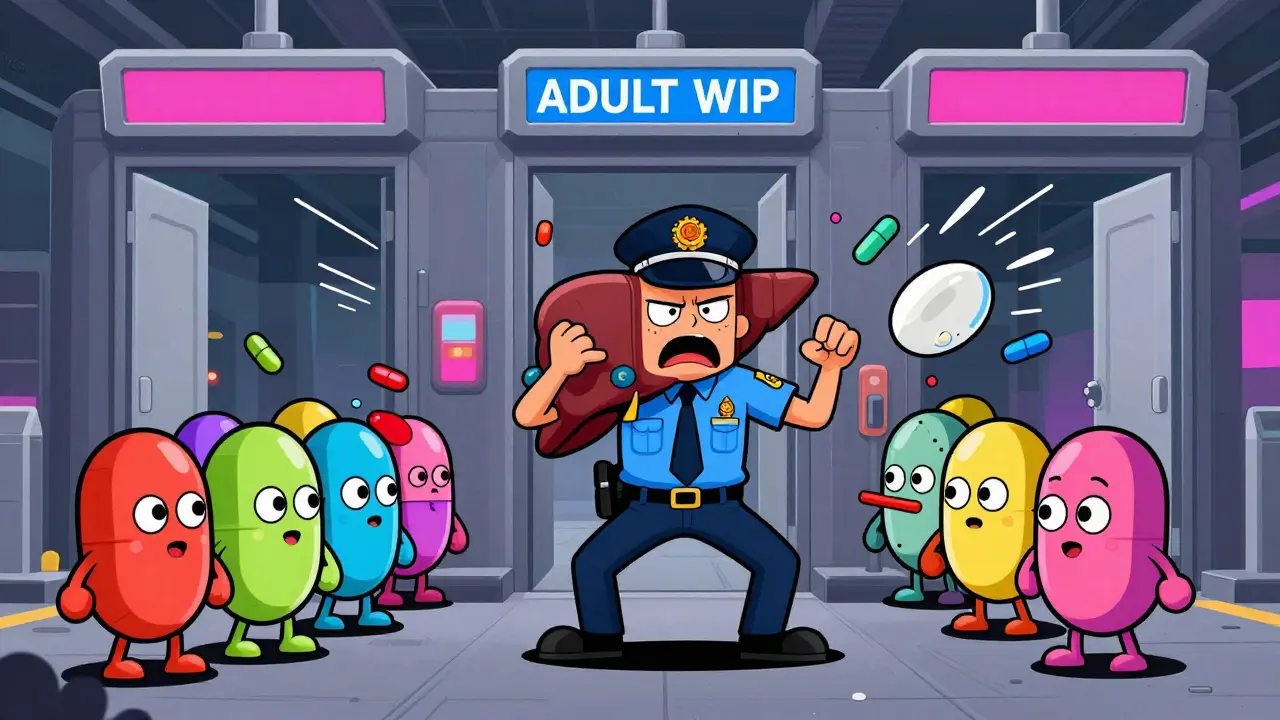
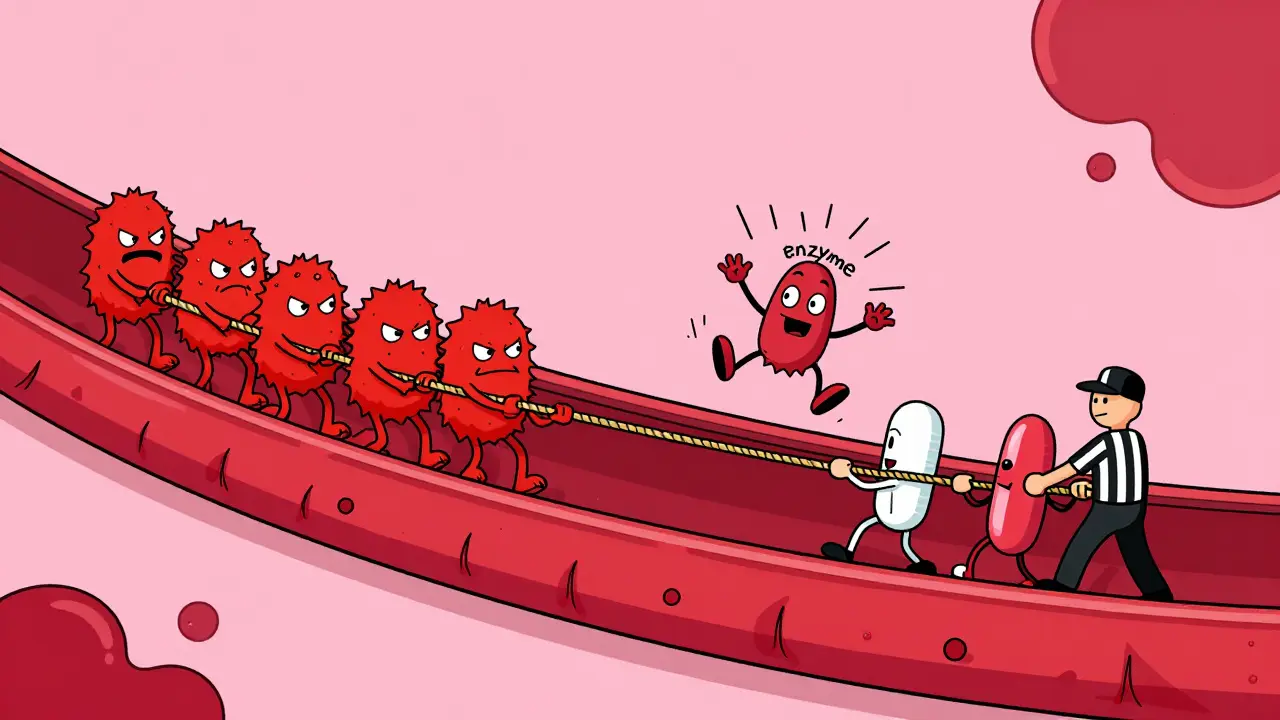
The core problem isn't just the virus itself, but how our livers process both the virus treatments and the anticoagulants. Many common COVID-19 medications interfere with the same enzymes that break down blood thinners, leading to a pharmacological tug-of-war. If the treatment blocks the enzyme, the blood thinner builds up in your system. If the treatment speeds up the enzyme, the blood thinner disappears too quickly. Here is how to navigate these risks and what you need to know about your specific medication.
Why Respiratory Infections Change Your Blood Chemistry
When you have a severe respiratory infection, your immune system goes into overdrive. This inflammation triggers procoagulant markers that make your blood thick and sticky. In critical COVID-19 cases, about 70% of patients develop diffuse microthrombi-tiny clots-inside the lung vasculature. This is why doctors often move patients from "prophylactic" (preventative) doses to "therapeutic" (full-strength) anticoagulation.
However, this increased need for clotting protection clashes with the medications used to treat the virus. The danger is a dual-risk scenario. On one hand, you have the risk of thrombosis (clots), which ranged from 4.8% to 16.5% in some hospitalized cohorts. On the other, you have the risk of major bleeding, which has been documented at rates between 3.5% and 15%. Balancing these two extremes requires precise dosing and constant monitoring.
The DOAC Dilemma: Apixaban, Rivaroxaban, and Dabigatran
If you take Direct Oral Anticoagulants (DOACs), you are using a modern class of blood thinners that don't require the constant blood tests that older drugs do. Popular examples include Apixaban, Rivaroxaban, and Dabigatran. These drugs rely heavily on a pathway called P-glycoprotein (P-gp) and enzymes known as CYP3A4 to leave your body.
Here is where it gets tricky: many antivirals, specifically Paxlovid (which contains nirmatrelvir and ritonavir), are potent inhibitors of CYP3A4. Essentially, Paxlovid slams the door shut on the exit route for your blood thinner. In one study, 100% of patients continuing DOACs while taking certain antivirals saw a marked increase in the drug's levels in their blood. This can lead to spontaneous internal bleeding or gastrointestinal hemorrhage.
Conversely, Dexamethasone-the steroid often used to treat severe COVID-19-acts as an inducer. Instead of closing the door, it throws it wide open, potentially reducing the effectiveness of your anticoagulant by up to 50%. This leaves you unprotected against the very clots the virus is trying to create.
| Anticoagulant Type | Interaction with Paxlovid | Interaction with Dexamethasone | Primary Risk |
|---|---|---|---|
| DOACs (Apixaban/Rivaroxaban) | Strong inhibition (increases drug levels) | Induction (decreases drug levels) | Severe Bleeding / Clotting |
| Dabigatran | P-gp pathway interference | Moderate impact | Kidney-dependent bleeding risk |
| Warfarin | Variable (requires INR monitoring) | Complex interplay | INR instability |
Warfarin and the INR Rollercoaster
Unlike DOACs, Warfarin is a vitamin K antagonist. It's a "classic" blood thinner that requires a blood test called the International Normalized Ratio (INR) to ensure your blood is clotting at the right speed. While it doesn't interact with P-gp in the same way DOACs do, it is still highly sensitive to changes in your body during an infection.
During the peak of the pandemic, clinics saw a 18-22% drop in patients maintaining a therapeutic INR range. Why? Because being sick often means skipping doctor visits or changing your diet, both of which throw Warfarin off balance. Adding a drug like azvudine or dexamethasone to the mix can push your INR levels too high, increasing the risk of a brain bleed or stomach ulcer.
Practical Safety Protocols: How to Manage the Risk
If you are prescribed Paxlovid while on a blood thinner, don't panic, but do follow a strict protocol. Medical guidelines from organizations like the ASHP provide a roadmap for safety. Depending on your risk level, your doctor might suggest one of these strategies:
- The Temporary Pause: For those on apixaban or rivaroxaban, some protocols suggest holding the anticoagulant for the 5-day Paxlovid course and resuming it 2 days after the final dose.
- The Bridge Method: If you have a high risk of clots (a CHA2DS2-VASc score of 3 or higher), your doctor might switch you to Enoxaparin (a low-molecular-weight heparin injection) for 5 days. This provides protection without the CYP3A4 interaction risks.
- The Dose Adjustment: For dabigatran users with healthy kidneys (CrCl ≥50 ml/min), a common strategy is reducing the dose to 75 mg twice daily and timing the doses at least 12 hours apart from the antiviral.
Keep in mind that the "clotting window" lasts longer than the virus. Evidence shows that D-dimer levels-a marker for clots-remain elevated in 65% of patients for up to three weeks after leaving the hospital. This is why many specialists recommend staying on therapeutic anticoagulation for at least 7 days post-discharge.
Common Pitfalls and Warning Signs
Many patients make the mistake of thinking that because they've taken their blood thinner for years, a short 5-day course of an antiviral won't matter. This is a dangerous assumption. One real-world case involved a patient who continued full-dose rivaroxaban during Paxlovid treatment and ended up needing two units of packed red blood cells due to a massive gastrointestinal bleed.
You should contact your provider immediately if you notice:
- Unexplained bruising or small purple spots on the skin (petechiae).
- Gums bleeding more than usual during brushing.
- Stool that looks like black tar or coffee grounds.
- A sudden, severe headache or dizziness (potential sign of internal bleeding).
Can I take Paxlovid if I am on a blood thinner?
Yes, but not without a specific plan from your doctor. Because Paxlovid inhibits the enzyme CYP3A4, it can cause blood thinners like apixaban or rivaroxaban to build up to dangerous levels in your blood. Your doctor may choose to pause your medication, lower the dose, or switch you to a temporary injectable like enoxaparin.
Why do some doctors prefer heparin injections over pills during COVID-19?
Injectable anticoagulants like enoxaparin do not rely on the CYP3A4 enzyme or P-gp transport for clearance. This means they don't interact with antivirals like Paxlovid, making them a much safer "bridge" therapy for patients who cannot afford to stop anticoagulation entirely due to a high risk of clots.
Does Dexamethasone affect how my blood thinners work?
Yes. Dexamethasone can act as an inducer for the enzymes that break down DOACs. This means it can actually speed up the removal of the drug from your system, potentially reducing the medication's effectiveness by up to 50% and increasing your risk of developing a blood clot.
How long should I stay on blood thinners after being discharged from the hospital?
While it depends on your specific case, many guidelines recommend continuing therapeutic anticoagulation for at least 7 days after discharge. This is because the hypercoagulable state caused by the infection can persist for 14 to 21 days, leaving you vulnerable to clots even after the virus is gone.
What is the difference between prophylactic and therapeutic dosing?
Prophylactic dosing is a low dose used to prevent clots from forming in the first place. Therapeutic dosing is a higher, full-strength dose used to treat an existing clot or prevent one in a very high-risk environment, such as severe COVID-19 pneumonia. The latter provides more protection but carries a higher risk of bleeding.
Next Steps for Patients and Caregivers
If you or a loved one are managing both a respiratory infection and a blood-thinning regimen, the most important step is to create a shared medication list. Ensure your primary care doctor, your cardiologist, and your pharmacist are all looking at the same list of drugs.
For those with kidney issues (specifically a creatinine clearance between 15-50 ml/min), be extra vigilant. Your kidneys play a massive role in how drugs like dabigatran are cleared, and a respiratory infection can put additional strain on renal function, further complicating the drug interaction. Ask your doctor if a dose adjustment is needed based on your latest lab results. If you are unsure about a specific interaction, tools like the Liverpool COVID-19 Drug Interactions database are highly regarded by professionals for checking real-time compatibility.