
Antibiotic-Induced Yeast Infection Risk Calculator
Estimate your likelihood of developing a yeast infection while taking antibiotics based on your health factors and lifestyle.
Your Risk Factors
Select all factors that apply to you
Your Risk Assessment
Based on the article data, approximately 30% of people taking antibiotics develop yeast infections. Your risk level is compared to this baseline.
Recommended Prevention Steps
For your risk level, consider these evidence-based prevention methods:
- Start an antifungal (clotrimazole or miconazole) on day one of your antibiotic treatment
- Take targeted probiotics (Lactobacillus rhamnosus GR-1 & Lactobacillus reuteri RC-14) at 10 billion CFU daily
- Wear cotton underwear and avoid tight synthetic fabrics
- Reduce sugar intake and avoid douching
When you take an antibiotic to fight a bacterial infection, you expect to feel better. But for many people, especially those with vaginas, a new problem shows up just days later: intense itching, burning, and thick white discharge. This isn’t a sign the original infection is getting worse-it’s a yeast infection caused by the antibiotic itself. It’s more common than most people realize, and it’s often preventable.
Why Antibiotics Cause Yeast Infections
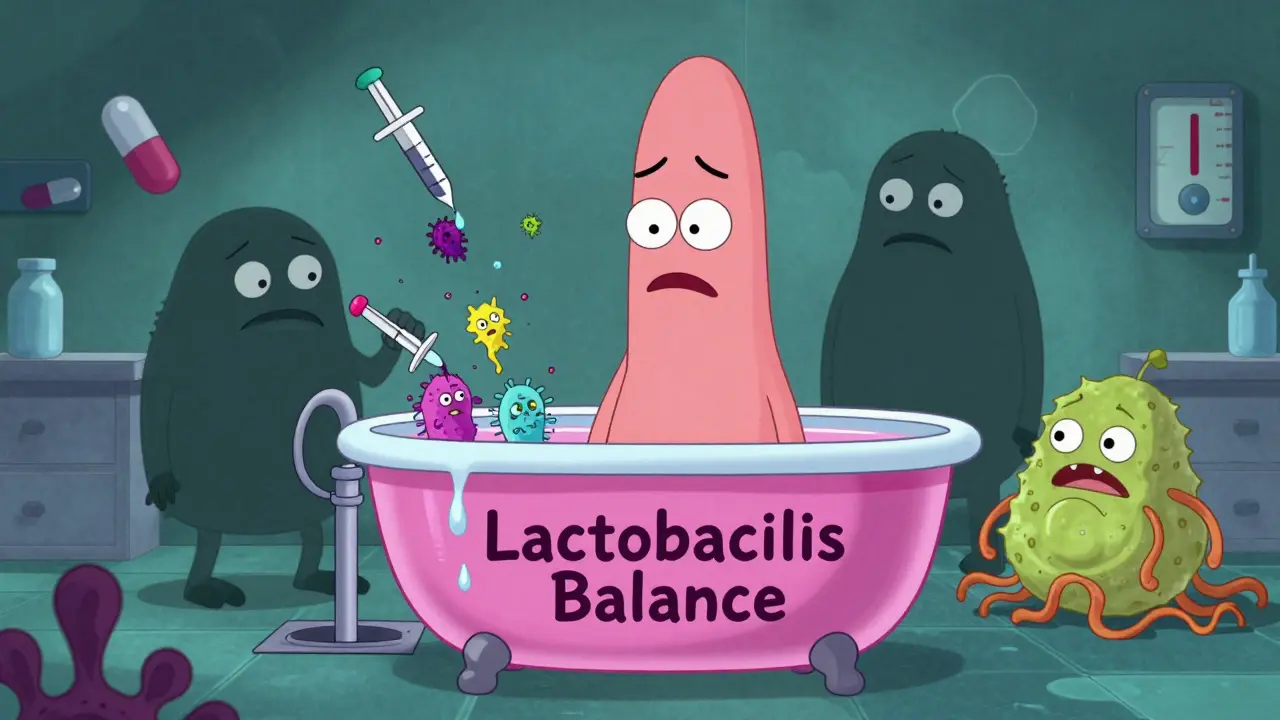
Antibiotics don’t just kill the bad bacteria. They wipe out the good ones too. In the vagina, that means wiping out Lactobacillus bacteria, which normally keep things in balance. These friendly bacteria produce lactic acid and hydrogen peroxide, keeping the vaginal pH low (between 3.8 and 4.5). That acidic environment stops yeast-mostly Candida albicans-from growing out of control.When antibiotics like amoxicillin, tetracycline, or ciprofloxacin are taken, they don’t distinguish between harmful and helpful bacteria. Without enough Lactobacillus, the pH rises. Yeast thrives in that warmer, less acidic environment. Studies show that up to 30% of people who take antibiotics develop a yeast infection. And if you’ve had one before, your chances go up even more.
Who’s Most at Risk?
Not everyone who takes antibiotics gets a yeast infection. Certain factors make it much more likely:- Uncontrolled diabetes: Blood sugar over 180 mg/dL means extra glucose in vaginal secretions-yeast’s favorite snack.
- Hormonal changes: Pregnancy, birth control pills, or hormone therapy raise estrogen levels, which feed yeast growth.
- Immunosuppression: Conditions like HIV with CD4 counts below 200 cells/μL make it harder for the body to fight off yeast.
- SGLT2 inhibitors: Medications like Jardiance (empagliflozin) for diabetes dump sugar into urine, which can leak into the vaginal area and feed yeast.
- Douching: Washing out the vagina removes protective bacteria and raises pH to 6.0-7.0, creating a yeast-friendly zone.
- Tight synthetic clothing: Polyester or spandex traps heat and moisture, raising vaginal temperature from 32-34°C to 36-38°C-perfect for yeast to multiply.
These aren’t just myths. Research from the Mayo Clinic and CDC confirms these are real, measurable risk factors. And here’s the kicker: 30% of all outpatient antibiotic prescriptions in the U.S. are unnecessary. That means tens of millions of people are taking antibiotics they don’t need-and putting themselves at risk for yeast infections.
How to Prevent Yeast Infections While Taking Antibiotics
The good news? You don’t have to wait until you’re itching to act. Prevention is possible-and effective.1. Start an Antifungal on Day One
Don’t wait for symptoms. If you’re taking antibiotics and you’ve had a yeast infection before, start an over-the-counter antifungal on the same day you start the antibiotic. Products like clotrimazole (Gyne-Lotrimin) or miconazole (Monistat) come as creams, suppositories, or tablets. A 7-day course is more effective than a single dose. Clinical studies show this approach cuts infection rates by 60-70%.2. Take the Right Probiotics
Not all probiotics work. Look for strains that have been studied specifically for vaginal health: Lactobacillus rhamnosus GR-1 and Lactobacillus reuteri RC-14. These are found in supplements like Fem-Dophilus. Take at least 10 billion CFU daily. Timing matters: take them 2 hours before or after your antibiotic to keep the live cultures from being killed off.Some people try yogurt. While it’s not harmful, most store-bought yogurts don’t contain enough of the right strains or enough live bacteria to make a difference. A 2022 meta-analysis found yogurt reduced risk by only 35%-much less than targeted probiotics.
3. Change Your Clothing
Cotton underwear isn’t just comfortable-it’s protective. Synthetic fabrics trap heat and moisture, creating a breeding ground. Cotton keeps the area drier and cooler, lowering yeast growth by 50%. Try wearing loose-fitting pants and going without underwear at night when possible.4. Skip the Douches and Scents
Douching doesn’t clean-it disrupts. It removes up to 90% of your natural protective bacteria. Scented tampons, sprays, and wipes? They alter vaginal pH by 1.5-2.0 units, which is enough to trigger overgrowth. Use plain water or unscented wipes only.5. Cut Back on Sugar and Refined Carbs
Yeast feeds on sugar. That includes not just candy, but white bread, pasta, pastries, and even fruit juices. A 2021 review in JAMA Dermatology found that cutting these out reduced recurrent yeast infections by 15-20%. It’s not a cure-all, but it helps. Focus on vegetables, lean proteins, nuts, and healthy fats instead.
How to Treat a Yeast Infection
If you already have symptoms-itching, burning, thick white discharge-you need treatment. But not all treatments are equal.Over-the-Counter Options
For mild, uncomplicated cases, OTC antifungals work well:- Clotrimazole (Gyne-Lotrimin) cream or suppositories: 7-day course
- Miconazole (Monistat) suppositories: 1-day or 7-day options
- Butoconazole (Gynazole-1): 3-day cream
Success rates are 80-90% within a week. But if you’re still itchy after 7 days, you likely don’t have a yeast infection. About 64% of self-diagnosed cases turn out to be bacterial vaginosis or another condition. See a provider if symptoms don’t improve.
Prescription Options
For severe, recurrent, or complicated infections (like if you have diabetes or are pregnant), your provider may prescribe:- Fluconazole (Diflucan): 150 mg pill, repeated every 72 hours for 3 doses. Effective in 95% of cases.
- Boric acid suppositories: 600 mg inserted nightly for 14 days. Used for non-albicans yeast strains that don’t respond to fluconazole.
Important warning: Fluconazole is not safe during pregnancy, especially in the second and third trimesters. The FDA found it increases the risk of birth defects by 4.5 times. If you’re pregnant and have a yeast infection, boric acid or topical treatments are safer choices.
What NOT to Do
A lot of people make the same mistakes:- Don’t take more antibiotics. Yeast is a fungus. Antibiotics won’t touch it-and they’ll make it worse by killing more good bacteria.
- Don’t douche. Ever. It’s not cleaning you. It’s removing your body’s natural defense system.
- Don’t assume it’s yeast. If it’s not gone after treatment, get tested. You could have BV, trichomoniasis, or even a skin condition.
- Don’t skip the probiotics. Even if you feel fine, the damage to your microbiome lasts weeks. Rebuilding it takes time and the right strains.
Why This Problem Is Still Under-Recognized
Here’s the uncomfortable truth: vaginal health research gets less than 2.5% of the NIH’s $42.9 billion annual budget. That’s why there are no official guidelines for preventing yeast infections during antibiotic use. Only 38% of OB-GYNs routinely talk about this with patients-even though 89% of patients say they want to know.Meanwhile, the global market for vaginal health products is growing fast-$3.2 billion in 2022-and expected to hit $6 billion by 2030. But many probiotics on shelves don’t even contain the strains listed on the label. The FDA treats them as supplements, not drugs, so quality control is weak.
Future solutions are coming-like vaginal microbiome transplants and pH-regulating tampons-but they’re stuck in early trials. Until funding catches up, the best tools we have are simple: probiotics, antifungals, cotton underwear, and avoiding unnecessary antibiotics.
What Works Best: The Winning Combo
The most successful people don’t rely on just one method. Mayo Clinic surveys show that 78% of those who prevented yeast infections used both probiotics and antifungals. The next most effective group used antifungals alone (45%). Only 12% used probiotics by themselves.Here’s the practical plan:
- Start an antifungal (clotrimazole or miconazole) on day one of your antibiotic.
- Take a probiotic with GR-1 and RC-14 strains, 10 billion CFU daily, 2 hours apart from your antibiotic.
- Wear cotton underwear. Avoid tight pants. Sleep naked if you can.
- Stop douching. Stop scented products.
- Reduce sugar, white bread, and processed carbs.
If you follow this, you’re cutting your risk by more than half. And if you do get an infection anyway, you’ll likely have a milder one that responds faster to treatment.
Final Thought: Don’t Just Treat-Prevent
Antibiotics save lives. But they also come with side effects that are often ignored. Yeast infections aren’t embarrassing-they’re predictable. And they’re preventable. You don’t need to suffer through itching and discomfort just because you took an antibiotic. With the right steps, you can protect your body’s natural balance and avoid the whole problem.Can antibiotics cause yeast infections in men?
Yes, though less commonly. Men can develop penile yeast infections, especially if they have diabetes, are immunocompromised, or have unprotected sex with a partner who has a yeast infection. Symptoms include redness, itching, and a white discharge under the foreskin. Treatment is similar: topical antifungals like clotrimazole cream. Preventive steps include keeping the area dry and avoiding antibiotics unless necessary.
How long does it take for probiotics to work after antibiotics?
It takes time. While some people notice relief in a few days, full restoration of vaginal flora can take 2-4 weeks. That’s why it’s important to keep taking probiotics for the full course of antibiotics and for at least a week after. Don’t stop just because symptoms improve.
Is it safe to use antifungals while pregnant?
Topical antifungals like clotrimazole and miconazole are considered safe during pregnancy. Oral fluconazole is not-especially in the second and third trimesters-due to a higher risk of birth defects. Always check with your provider before taking any medication while pregnant.
Can I use yogurt instead of probiotic supplements?
Yogurt with live cultures may help a little, but it’s not as reliable. Most store-bought yogurts contain too few live bacteria, and the strains aren’t always the ones proven to prevent yeast (GR-1 and RC-14). Supplements are formulated to deliver the right amount of the right strains. If you eat yogurt, choose plain, unsweetened, and check the label for "live and active cultures."
What if my yeast infection keeps coming back?
If you have four or more infections in a year, it’s considered recurrent. Talk to your provider. You may need a longer treatment plan-like weekly fluconazole for 6 months-or testing for underlying conditions like diabetes or immune disorders. Sometimes, the infection isn’t yeast at all. A lab test can confirm the strain and rule out other causes.
Comments
Stephanie Paluch
March 16, 2026 AT 11:08Ugh I had one of these after my last course of amoxicillin 😩 Took me 3 weeks to feel normal again. The itching at night was the worst. Started the Monistat on day 1 this time and it was a game changer. Also switched to cotton undies and sleep naked now. Best life hack ever.
Hugh Breen
March 17, 2026 AT 18:43THIS. THIS. THIS. 🙌 I’ve been telling people for years - antibiotics are like a sledgehammer to your microbiome. And nobody talks about how it hits the vaginal flora like a truck. I’m so glad someone finally laid out the science. Probiotics with GR-1 and RC-14? YES. I take Fem-Dophilus religiously now. And NO DOUCHING. Ever. Your vagina is not a toilet. It’s a sacred garden. Treat it like one.
tynece roberts
March 19, 2026 AT 09:30so i took cipro last month and yeah i got the classic yeast thing. tried the 1 day monistat and it did nothing. then i went to the 7 day and like 2 days in it was gone. also i started wearing my grandma’s cotton undies and i swear they’re magic. no more spandex. also i stopped eating bagels. not because i’m holy but because i was like… huh. maybe the sugar? anyway. it worked. weird but true.
Lorna Brown
March 19, 2026 AT 10:11It’s fascinating how we’ve normalized suffering as a side effect of medical care. Antibiotics save lives, yes - but we treat vaginal health as a footnote. The NIH budget allocation here isn’t just negligent, it’s systemic. When was the last time a man had to worry about his prostate being wiped out by a prescription? We need structural change, not just band-aid advice. This post is a start - but real progress requires funding, not just blog posts.
Jimmy V
March 20, 2026 AT 06:06Yogurt? Please. I’ve seen too many people waste time on that. The strains in yogurt? Mostly L. bulgaricus. Useless for vaginal flora. You need L. rhamnosus GR-1 and L. reuteri RC-14. Period. If your probiotic doesn’t list those, it’s a placebo. And don’t even get me started on ‘probiotic’ gummies. Sugar bombs with zero live cultures. Stop it.
Kandace Bennett
March 20, 2026 AT 21:35OMG YES I’M SO GLAD THIS EXISTS 🙏 I’ve been telling my friends for years: if you’re on antibiotics, you’re basically inviting yeast to a rave. And no, honey, ‘eating yogurt’ won’t fix it. You need the *right* probiotics. I take Fem-Dophilus and I don’t even have to think about it anymore. Also, I only wear cotton. Even to bed. Even if it’s 90 degrees. My vagina is a VIP. She gets the best.
Byron Boror
March 22, 2026 AT 13:18Another liberal health myth. You’re telling people to avoid antibiotics? That’s dangerous. Antibiotics save lives. If you get a yeast infection, take a pill. That’s it. Stop overcomplicating everything. We don’t need probiotics, cotton underwear, or ‘vaginal science.’ Just take your medicine and stop whining. This is why America’s healthcare is broken - too much focus on vibes, not results.
mir yasir
March 23, 2026 AT 20:55While the empirical data presented is commendable, one must question the epistemological validity of conflating anecdotal efficacy with clinical generalizability. The cited studies, while statistically significant, are largely observational and fail to control for confounding variables such as dietary adherence and microbiome baseline heterogeneity. Moreover, the recommendation of over-the-counter antifungals as prophylaxis lacks endorsement from authoritative clinical guidelines such as those of the ACOG. One must be cautious not to conflate accessibility with efficacy.
Rex Regum
March 24, 2026 AT 03:10Oh wow. So now we’re blaming antibiotics for yeast infections? What’s next? Are we gonna say sunlight causes sunburn? This is just another way to make women feel guilty for taking medicine. You know what causes yeast? Being dirty. Douching. Wearing wet clothes. Not washing. This whole post is a scam to sell probiotics. Stop gaslighting people into buying supplements. Take your antibiotics. Stop overthinking. Your body knows what to do.
Kelsey Vonk
March 25, 2026 AT 12:42I’ve had recurrent yeast infections for years. I thought it was just my body being ‘weird.’ Then I read this and realized: I was taking antibiotics for sinus infections that were probably viral. I asked my doctor if they were necessary - and they said no. I haven’t had one since. It’s not just about treatment. It’s about asking. Just asking. That one question changed everything.
Richard Harris
March 26, 2026 AT 08:14Just wanted to say thanks for this. I’m a guy, and I didn’t even know men could get yeast infections from antibiotics. My partner had one last year and I thought it was just ‘bad luck.’ Now I know to keep things dry and avoid sharing towels. Also… I switched to cotton boxers. Weird, but it feels better. Who knew?
Emma Nicolls
March 27, 2026 AT 13:04i just want to say thank you for writing this. i had no idea any of this was true. i used to douche because i thought it made me feel cleaner. i felt so ashamed when i got yeast infections. now i know it wasn’t me. it was the antibiotics. and the douching. and the synthetic underwear. i’m starting probiotics tomorrow. and i’m wearing cotton. and i’m not apologizing for my body anymore 💕